- Ant Group released the weights of Ling-3.1-flash, a 560-billion-parameter model, so companies can run it on their own hardware.
- Ant reports a mixed-precision setup that cuts weight memory from about 534GB to 292GB, and a Hopper GPU setup from eight GPUs to four.
- Self-hosting moves operation and safeguards in-house. Ask who owns agent permissions, licence terms and independent testing before approving a pilot.
When a company rents an AI model, someone else carries the hard parts: the servers, the safeguards and the late-night pager. When it downloads the model, those parts come home. Ant Group's new release makes that trade easier to consider, and harder to ignore.
What Ant Group released
Ant Group published Ling-3.1-flash, an upgrade to its Ling-3.0-flash model. Its model card describes a hybrid reasoning model for complex, real-world tasks. The model has 560 billion parameters in total, 25 billion of them active for each token, and a context window of one million tokens.
TechNode reports that Ant released the weights, so developers can deploy the model on their own infrastructure. Support for inference tools such as SGLang and vLLM is included. Inference tools are the software that runs a trained model.
How the numbers fit together
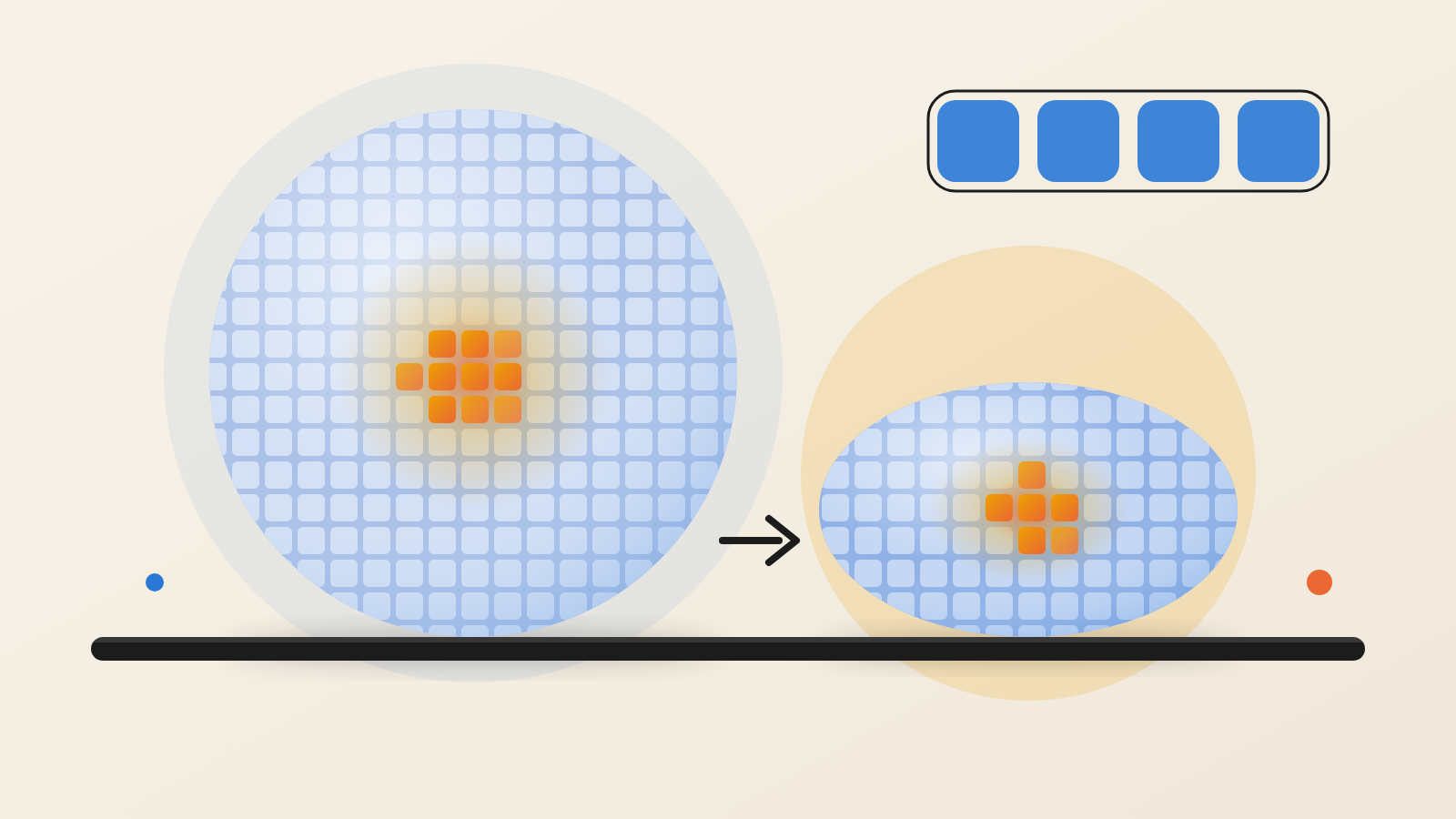
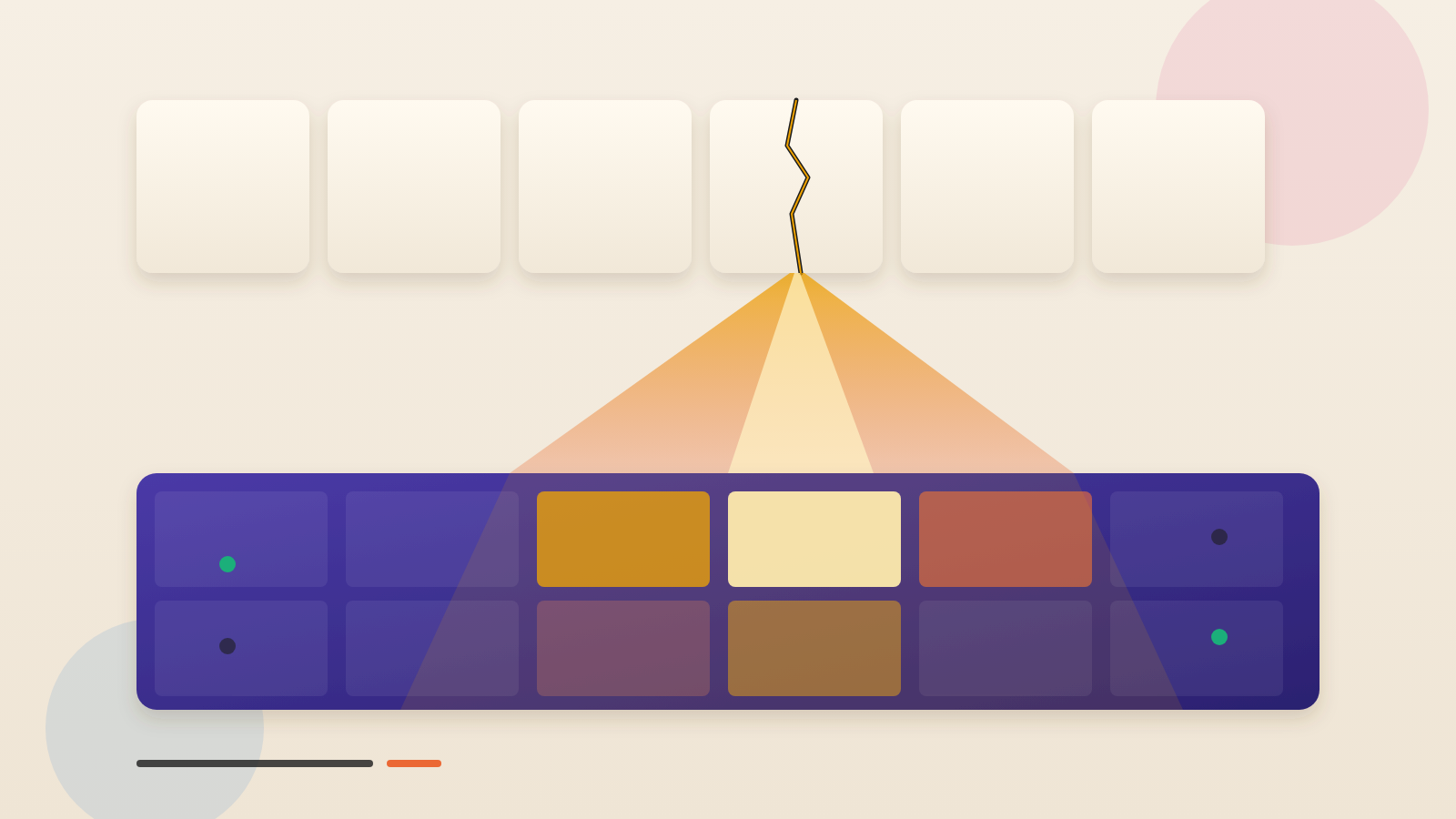
Parameters are the learned values inside a model. Ant says only 25 billion of the 560 billion are used for each token, a word fragment the model reads or writes. That is roughly 4 to 5 percent of the model working at any moment.
Using less per token helps with speed. It does not shrink the storage bill, because the whole model still has to sit in memory. TechNode reports the weights need about 534GB of memory.
Ant's team built a mixed-precision approach that cuts this to about 292GB. Mixed precision generally means storing some parts of the model with fewer bits of detail. TechNode reports that in Ant's Hopper GPU configuration, this cut the requirement from eight GPUs to four. Those are Ant's figures. The sources do not show independent testing.
Built for agents that work for hours
The model card lists agents, search, office work and software engineering as target uses. It names benchmarks such as Terminal-Bench 4.0, SWE-bench Pro and MCP-Atlas. The text we reviewed gives no scores, so the claim of strong performance is Ant's own and untested here.
Ant also introduced LingCode, a harness for coding agents. A harness is the software wrapper that lets a model use tools and keep track of a task. Ant says it took Pi, an existing open-source coding agent, as the starting point and added features for jobs that run many hours.
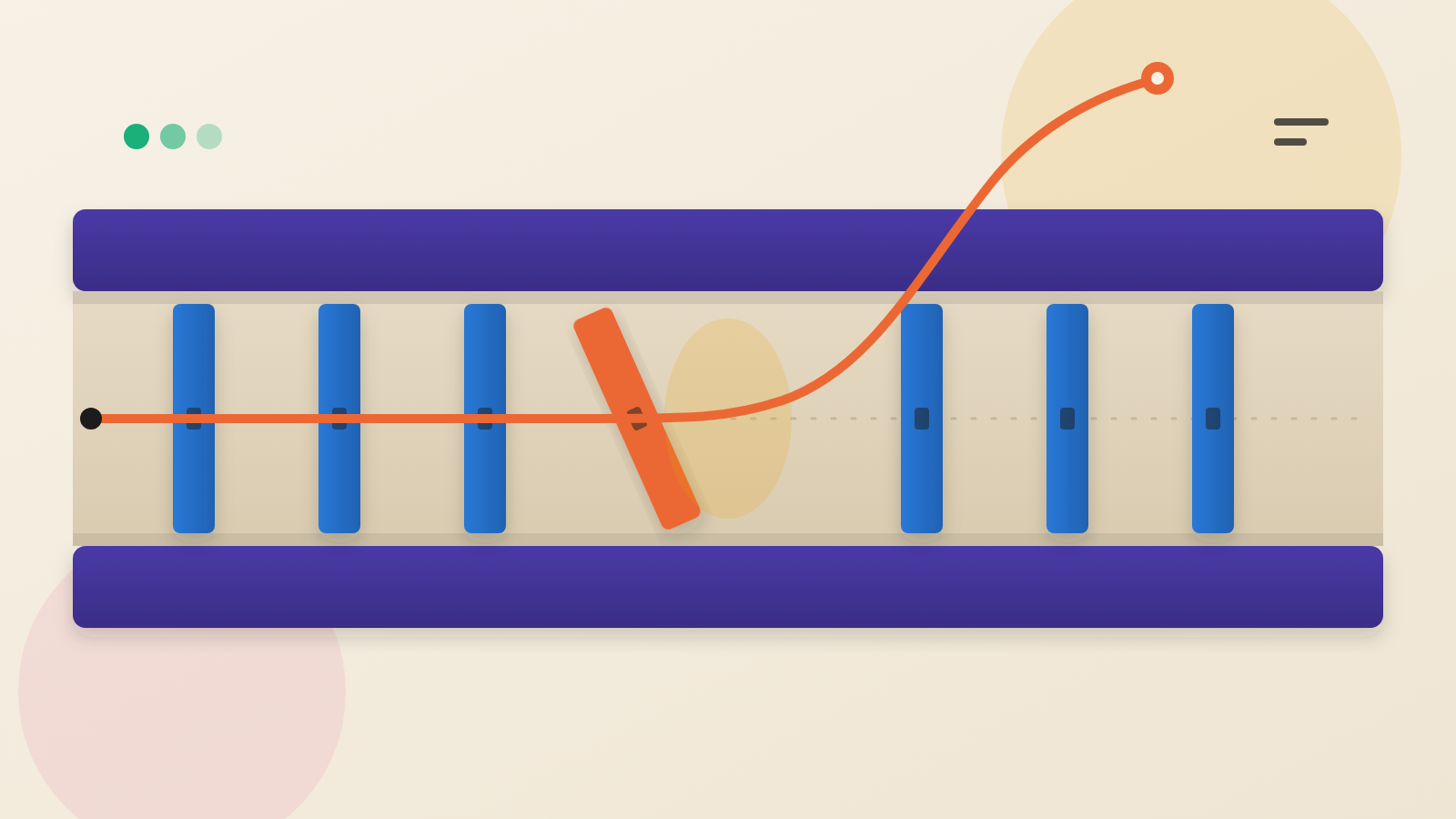
Picture one coding session that lasts several hours and calls tools hundreds of times. The model's working memory fills up along the way. The harness has to condense earlier steps again and again to make room for new ones. Ant calls this repeated context compaction. Ant says it is considering open-sourcing LingCode.
What changes when the weights are yours
This is one release, not a trend. But it shows a decision that many organisations will face. A hosted model comes with a vendor who runs it and answers for it. A downloaded model comes with a hardware order and a new job description.
An agent that makes hundreds of tool calls over several hours is not a chatbot. It acts inside your systems. If your team hosts it, your team decides what it can reach, what it can change and who reviews its work. That is the lesson here: lighter hardware requirements, as Ant reports them, do not remove the risk of an agent. They relocate it to the people who deploy it.
Think of the shift from renting servers to owning a data centre. Control rises, and so does the list of things you must get right.
The model card also says its training-content summary does not replace the technical documentation, usage terms or licence. The excerpt we reviewed does not state those terms, so leaders should read them before planning a deployment.
Questions to put to your team
First, what are the licence and usage terms, and do they fit our industry and customers? Second, who owns the permissions we give an agent, and how do we log what it does? Third, have we tested the model on our own tasks, rather than relying on benchmark names? Fourth, what does four GPUs mean in cost and staffing once someone is on call for it?
Open weights put a large model within reach. They also hand over the responsibility that vendors used to hold for you.
Produced by the WebPulse Newsroom with AI assistance from the original reporting credited below, and checked against that source by our editorial review. How we use AI.
Original reporting: Ant Group.