- Meta says World Cup traffic surged during breaks and after the final whistle, not during play, and that this pattern drove its capacity decisions.
- Because every region peaked at the same moment, Meta stopped relying on quieter regions to absorb spikes and forecast each region separately.
- Leaders can test their own plans: do forecasts assume peaks arrive at different times, and what is shed first under load?
Grid operators have long known that millions of people put the kettle on when a popular broadcast ends. The power surge comes from the reaction, not the show. Meta's engineers say the 2026 World Cup showed the same effect online.
In an engineering post published October 15, Meta reported record traffic across messaging, video and recommendations. The most useful part is not the records. It is what Meta says it learned about when the load arrives, and how that changed its plan.
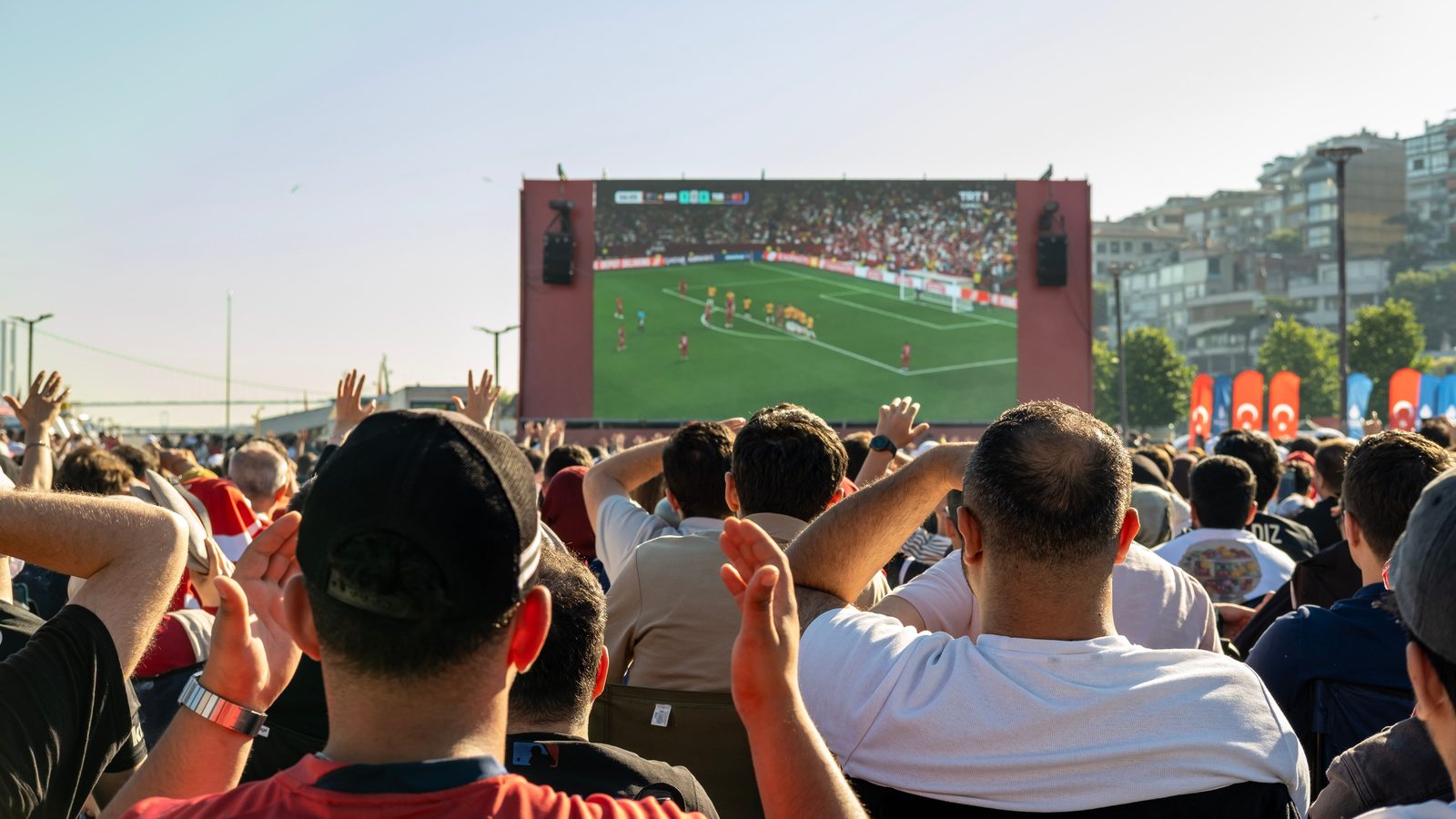
The traffic came from the conversation, not the game
Meta lined up match events against global outbound traffic. It found that surges in sharing happened mainly during breaks: hydration pauses, halftime, extra time, the final whistle and the awards ceremony. In Meta's words, it was not the gameplay that moved the charts, but the conversations after it.
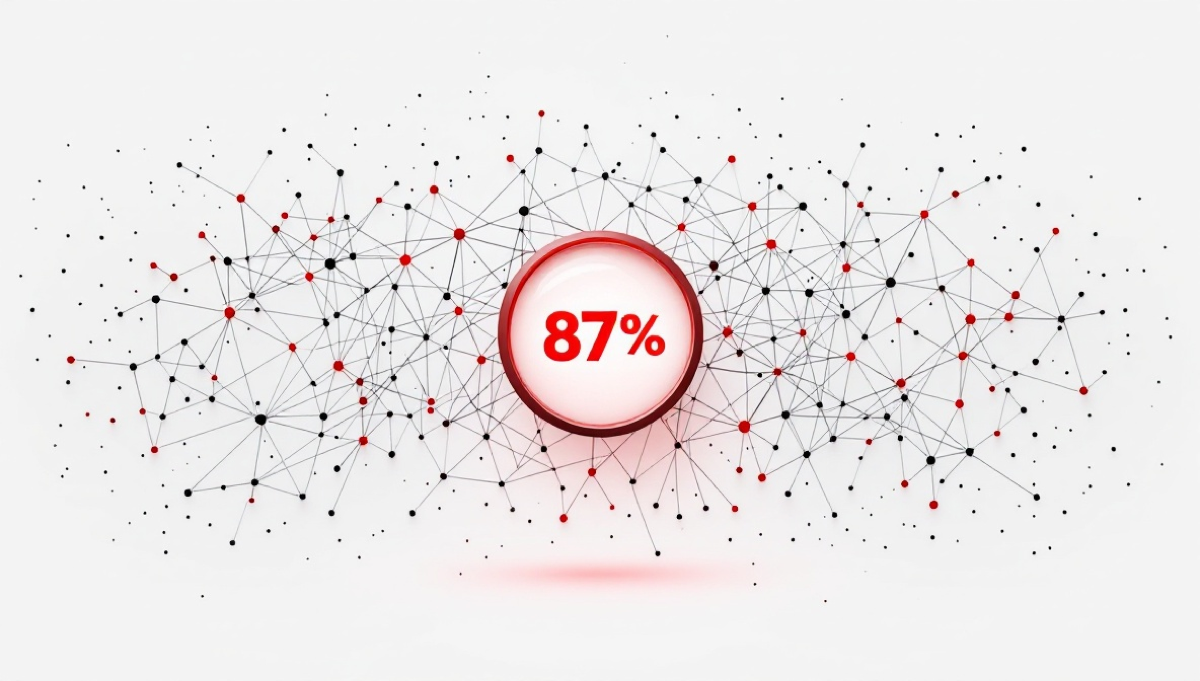
The numbers were steep. In the final, traffic rose 46% in about four minutes at the end of regular time. It rose 57% in about 15 minutes at the final whistle. Meta said the end-of-regulation whistle produced the highest peak of the tournament.
The lesson here is that peak demand follows human feeling, not the event schedule. A forecast built on the length of a match would miss the moments that matter.
Why the usual playbook stopped working
Meta described two standard moves it chose not to make. Both are instructive.
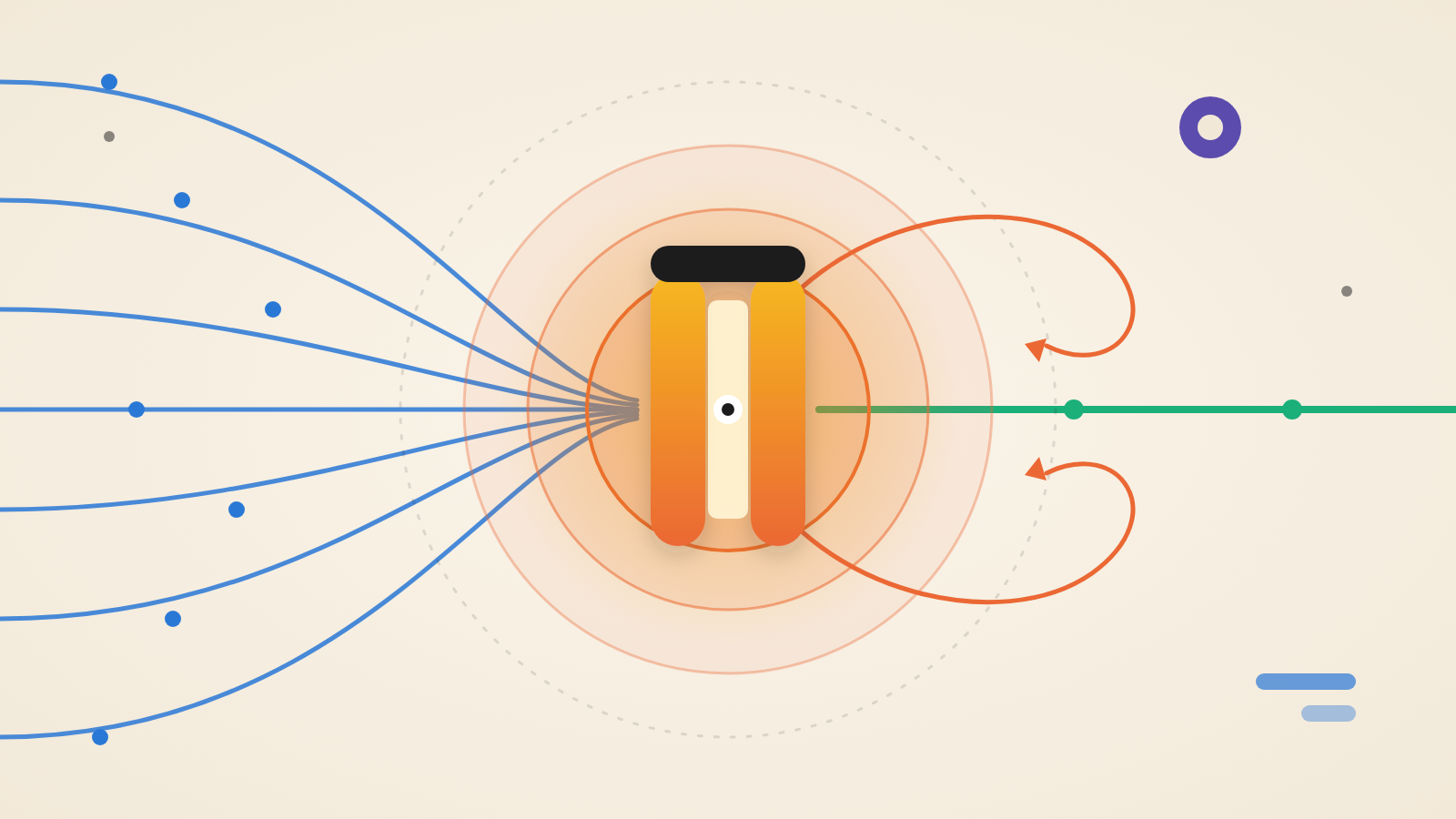
First, it did not shift load between regions. Normally, Meta spreads a spike across regions so quiet parts of the world absorb it. That works when peaks land hours apart, as on New Year's Eve. Here, every region peaked at the same instant, so there was no idle capacity to borrow. Meta forecast each region's peak on its own terms instead of deriving it from a global multiplier.
Second, it did not freeze changes. Many companies pause software releases and recovery drills before a major event. Meta says it skipped the freeze, relying on years of reliability work. Teams shipped on their normal schedule, including during the peak.
Meta offered no incident data or comparison with a freeze, so this is its own account. It is a useful claim to test in your own organisation, not proof the approach suits every company.
How the system absorbed it
Meta named several components. Taiji balanced load across datacenters. Katran and Proxygen spread incoming connections across servers. A global load balancing system sent users to the best-placed edge location, and AutoScaling added capacity on demand.
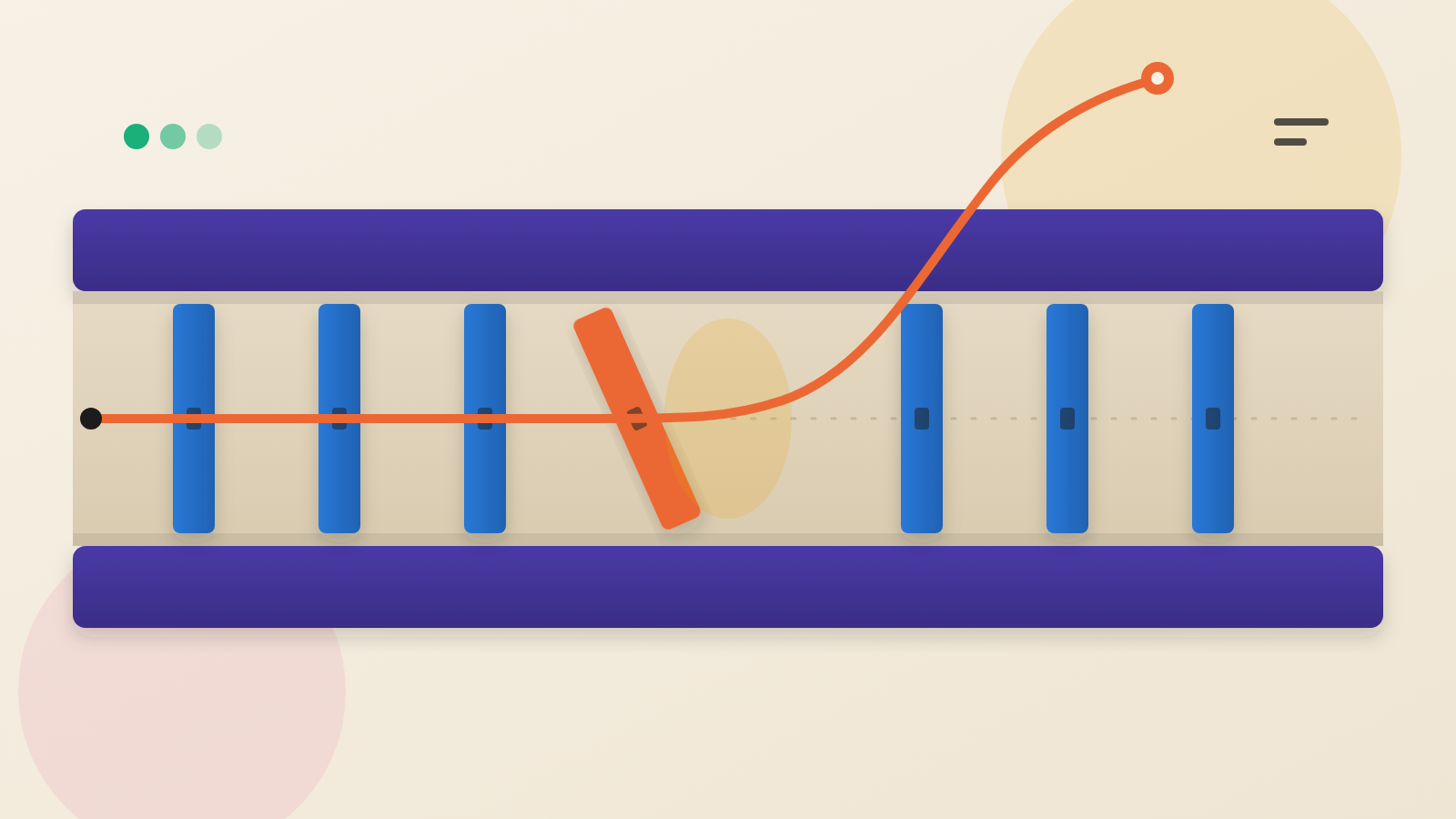
Meta said its most effective lever was something simpler: pre-provisioned capacity buffers. It added spare capacity across all serving tiers so spikes never had to wait for autoscaling to catch up. Autoscaling takes time to add servers. A surge measured in minutes can outrun it. Spare capacity is available at once.
Meta listed three other measures. For high-risk matches, it shed non-critical background work in Brazil, Argentina, India, Indonesia and Spain to protect core functions. It added safeguards so spikes at the serving layer could not spread into downstream data systems. And it set early warning signals to alert teams before capacity thresholds, not after.
That result followed months of work. Meta says it load-tested and resized more than 100 internal services, then retested and resized them as the bracket narrowed and demand grew.
Meta says that was 1.23 times the New Year's Eve 2026 peak and an all-time platform record. The previous record had fallen 12 days earlier, at 29 million messages per second.
What leaders should ask their teams
Few organisations run at Meta's scale. The planning questions still apply to any business with a launch, a sale or a seasonal peak.
Do our forecasts assume our peaks arrive at different times in different places? If every customer reacts at once, where does spare capacity come from?
How much of our protection depends on autoscaling, and how long does it take to add capacity compared with how fast a spike arrives?
If load rises past plan, what do we switch off first? Is that list written down and agreed before the event, not during it?
Do our alerts fire before we reach limits? And can we say honestly whether we could ship changes during a peak?
Meta says its phased rollout and the criteria for degrading service are now a reusable runbook for events like the 2028 Olympics. That is the real asset: a rehearsed, written plan. A record is a single day. A runbook is what lets the next peak stay uneventful.
Produced by the WebPulse Newsroom with AI assistance from the original reporting credited below, and checked against that source by our editorial review. How we use AI.
Original reporting: Meta Engineering.