- Carl Sverre argued that almost every system is distributed, so bugs that depend on the order of events can sit in simple apps and single processes.
- He said such failures are really hard to express in ordinary integration tests, and he pointed to simulation testing, which explores many event orders, as a better fit.
Carl Sverre argued that counting passing tests is the wrong measure when failures depend on the order of events. Sverre works on the Red Team at Antithesis, a software verification company. He spoke on Software Engineering Daily, in the episode "Software Verification in the Age of Coding Agents," published October 15, 2026. The show notes say AI is adding code that nobody has closely reviewed.
What was said
Sverre said people treat distributed systems as a large-scale concern. He disagreed: "in reality, every system is basically distributed now." Even a simple three-tier app can have these bugs, he said. So can one program where several threads share memory.
His example was an ordinary app with a database, web servers, a cache and a client. A client writes to one server. The data is cached, not yet saved. A read hits another server and fails. Sverre said it is really hard to express such failures and orderings in an integration test.
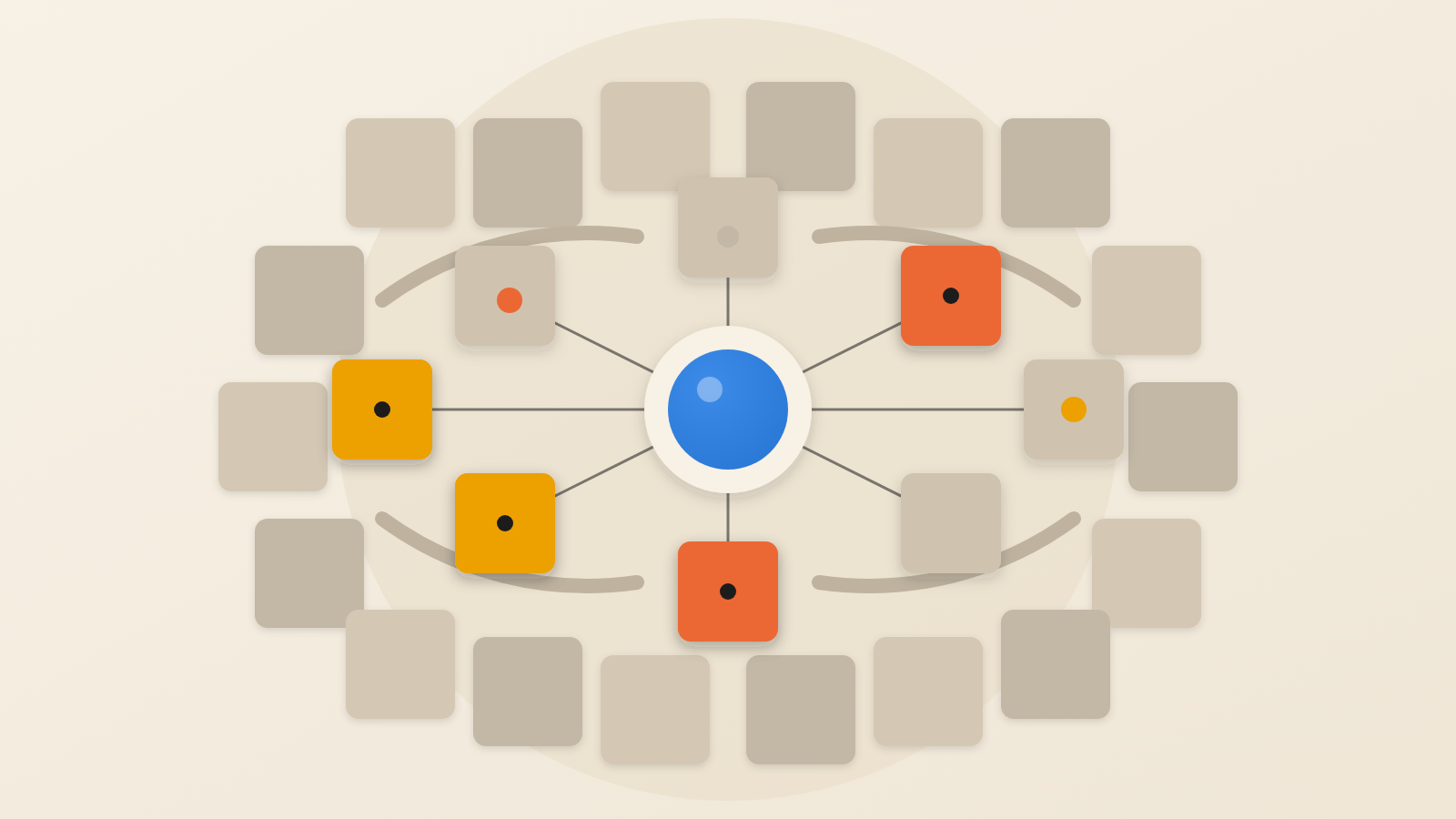
His proposed fix is simulation testing. A team writes one test, and the tool explores many event sequences. He said Antithesis can "breadth first search the state space of your software," meaning it works through the possible states step by step.
On AI, he said coding tools tend to fixate on the goal they are given. With test-driven development, that risks fitting the code too tightly to one test. He preferred checking broad properties, such as a database never becoming corrupt.
Why it matters
Our reading: a green test suite shows which scripted cases pass. It does not show which orderings were ever tried.
If AI writes more of the code, fewer people read it. Sverre said that as coding time falls, effort should shift toward verification and specification. A fair question for a manager or buyer is not only how many tests pass. It is which orders of events the team tested.
The other side
Sverre sells a product built on this idea, so his view comes from a vendor. He also did not say AI code contains more ordering bugs than human code. The link to AI rests on the show notes and on his point about overfitting.
Cost is also open. The host asked how slow simulation testing is next to instant unit tests. Sverre said longer runs give more confidence, which hints at a trade-off between speed and thoroughness. The excerpt ends before he settles it. He also said building your own simulation testing is very valuable, so buying a tool is not his only route.
Written by the WebPulse Newsroom with AI assistance, and checked by our editorial review: every quotation was verified against the recording's transcript. How we use AI.
The conversation this talking point comes from
- Software Engineering Daily: Software Verification in the Age of Coding Agents (2026-10-15)