- Singapore's IMDA released a four-step starter kit for testing agentic AI, plus a tester accreditation program and a cyber task force.
- The kit's last step is continuous monitoring and retesting. Our reading: an agent is a system to keep watching, not an exam to pass once.
- Leaders should ask who tests their agents, who reads the logs, and what triggers a retest when the model, tools or data change.
An AI agent is not something you pass once
Most organisations know how to approve software. Someone tests it, signs off, and it ships. Singapore's new guidance on testing AI agents invites a question: does that habit fit software that acts on its own?
Our argument is that an AI agent is a system to keep watching, not an exam to pass once. The kit's final step, per Tech in Asia, is continuous monitoring and retesting. The "system, not exam" framing is our reading. The sources do not say how deep or how frequent the retesting should be.
What Singapore announced
On October 14, Singapore's Infocomm Media Development Authority (IMDA) announced three initiatives. It unveiled them at the AI Assurance Exchange, an event organised by the AI Verify Foundation and SGTech. IMDA said it gathers more than 300 deployers and testers to discuss running and assuring agentic AI in enterprises.
IMDA names two kinds of danger. One is people who set out to misuse AI. The other is AI systems that take steps nobody intended. It added that no single safeguard is enough.
Why agents need different testing
This section is WebPulse's own explanation. IMDA and Tech in Asia do not give it.
Ordinary software follows code paths its builders wrote down. An agent differs in three ways that matter for testing.
First, it acts. It connects to tools such as a database, an email system or a payment service. Each tool carries permissions. A mistake becomes an action in a real system, not just a wrong answer on a screen.
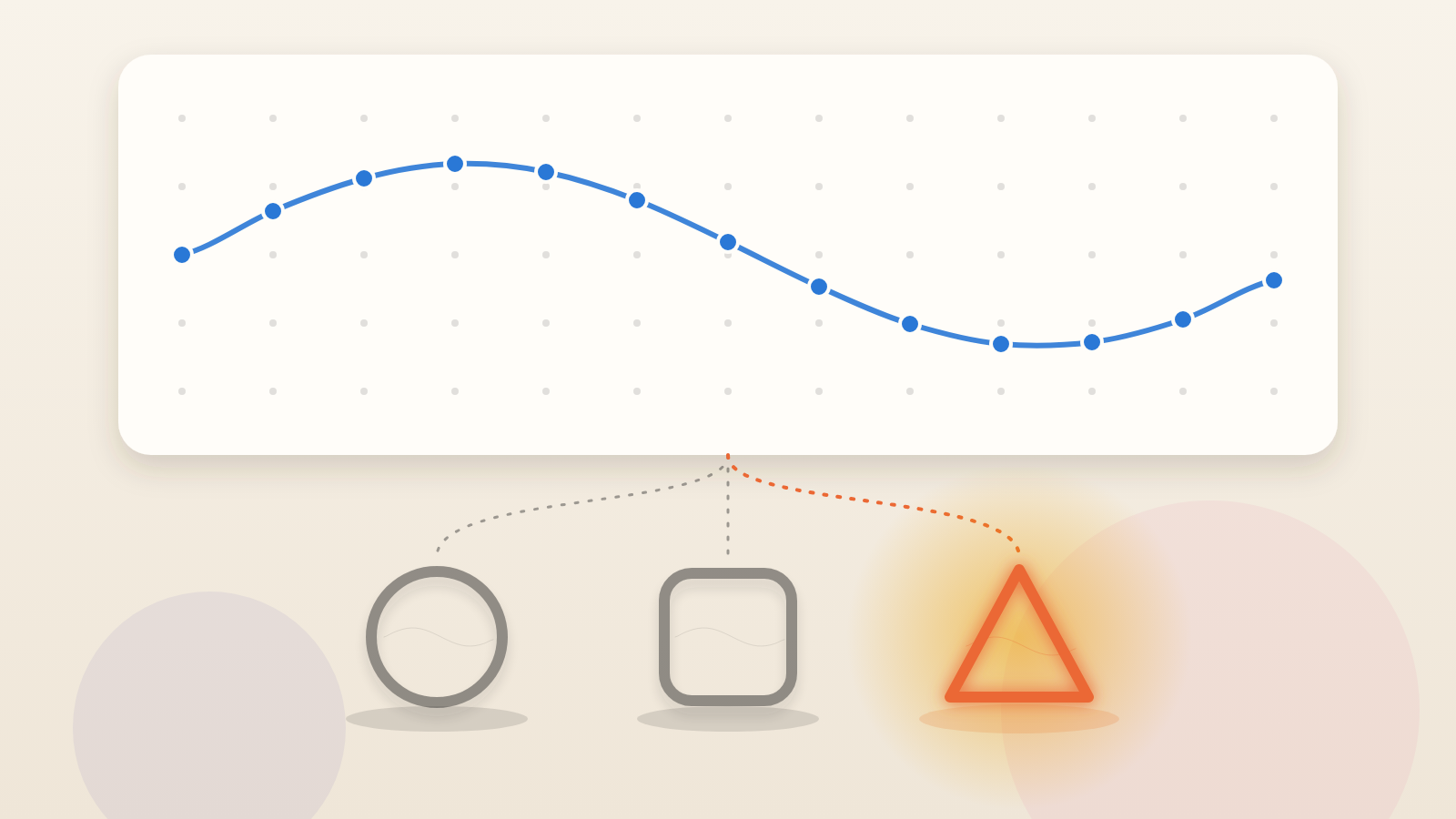
Second, it chooses its own steps. It decides the next move as it goes and chains actions together. The same request can follow different paths on different runs. One passing test shows one path, not all of them.
Third, it can change without anyone editing it. Swap the underlying model, rewrite its instructions, add a tool or alter the data it reads, and its behaviour may shift. The original sign-off then describes a system that no longer exists.
How the starter kit works
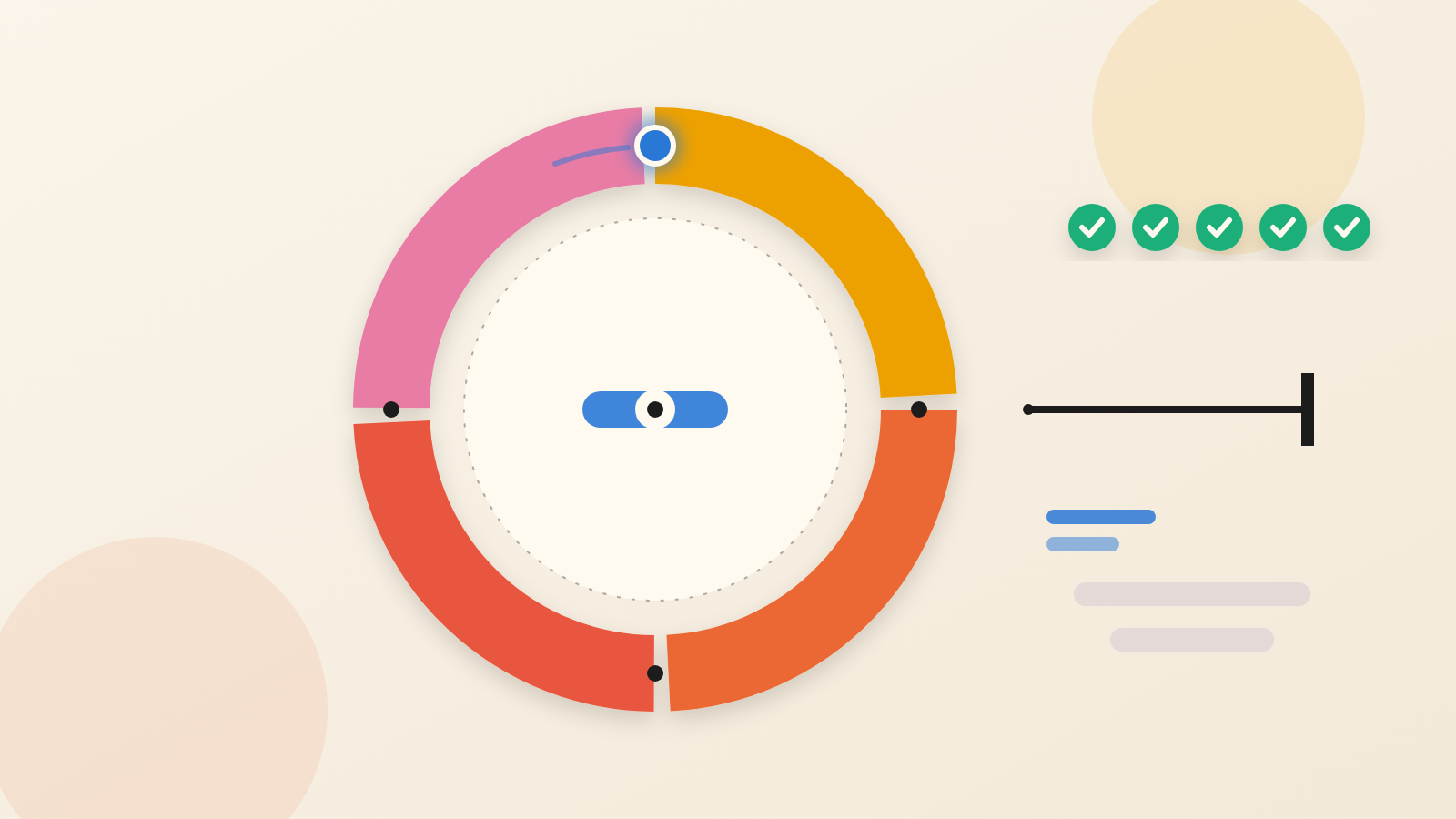
Tech in Asia reports that the kit sets out four steps: identify risks, design tests, run tests and analyse logs, then keep monitoring and retesting. It extends an earlier kit for applications built on large language models. It also builds on Singapore's Model AI Governance Framework for Agentic AI.
Here is how we map each step to the mechanism above. Listing risks means listing what the agent can touch, given its permissions. Designing tests means probing many paths, because runs vary. Reading logs matters because an agent's actions are the evidence of how it behaves. Retesting matters because model, prompt, tool or data changes can move that behaviour.
The sources describe the steps but not the test content, so we cannot say how deep the kit goes. It is called a starter kit.
Who does the testing
The AI Verify Foundation launched an AI Tester Accreditation Programme. Tech in Asia describes the foundation as a Singapore nonprofit wholly owned by IMDA. The opening cohort includes PwC Singapore alongside AIDX Tech, Knovel Engineering, Resaro and Vulcan.
Each accreditation lasts one year. That matters to buyers. The credential covers the tester, not your agent, and it must be renewed.
A second front: AI used against you
The third initiative looks outward. IMDA set up a task force to examine cyber threats that use AI. Per Tech in Asia, IMDA says it includes more than 20 leaders and experts from telecoms, media, cybersecurity and AI.
Tech in Asia says the group's report is due in the first half of 2027. It is meant to give the infocomm and media sector guidelines and best practices for strengthening cyber defences against AI-driven threats.
This is a different risk from a faulty agent. One concerns what your own AI might do. The other concerns what attackers can do with theirs. A board needs a plan for both.
Questions to put to your team
Who tests our AI agents, and do they follow a defined process? Which risks did we list before launch, and who last updated that list? Do we keep logs of what each agent does, and does a named person read them?
Which permissions does each agent hold, and who approved them? When the model, instructions, tools or data change, what triggers a retest? If we hire an outside tester, how is its credential checked, and when does it expire?
Singapore's guidance is one government's approach, and the kit is a starting point. With an agent, approval is where the work begins.
Produced by the WebPulse Newsroom with AI assistance from the original reporting credited below, and checked against that source by our editorial review. How we use AI.
Original reporting: Infocomm Media Development Authority (IMDA).