- VB Pulse found 67% of August respondents run, pilot or build a semantic layer, but only 13% name it their agents' primary source of business context.
- Respondents with a layer in place, in pilot or being built report more confidently wrong agent answers than those without. The survey cannot say whether the layer plays any part.
- Ask your team which source defines terms like revenue for each agent, and whether direct queries carry governed definitions.
Imagine an agent asked for last quarter's revenue. It may not know which figures the company counts as revenue, or which of two customer records is the live one. The model may work fine. What can be missing is the business's own vocabulary.
VentureBeat's VB Pulse tracker has surveyed enterprises in three waves since June. Its results suggest a simple idea. Writing down business definitions is not the same as getting agents to read them. A company can own a dictionary that its agents do not turn to first.
Building the layer is not the same as using it
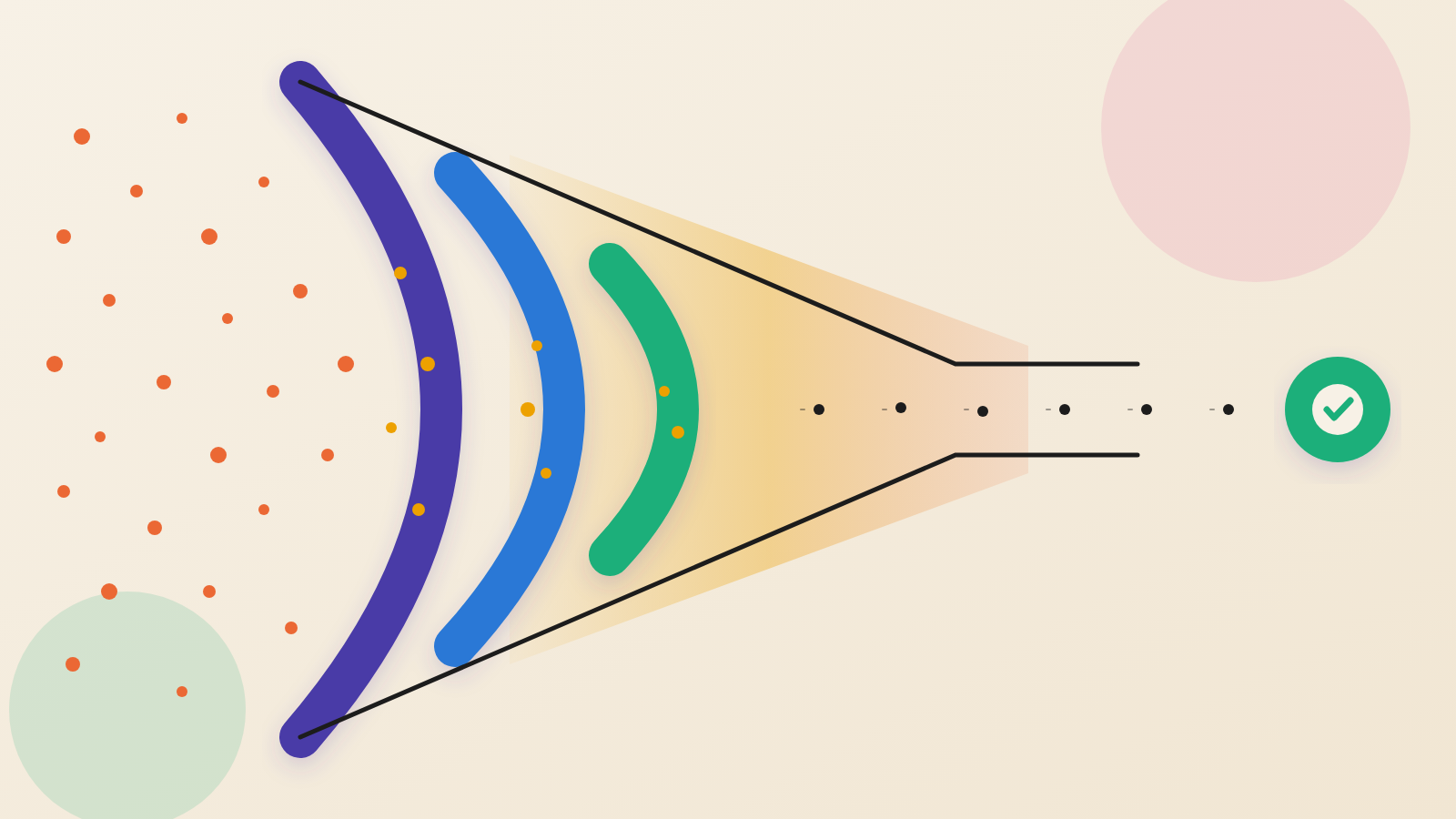
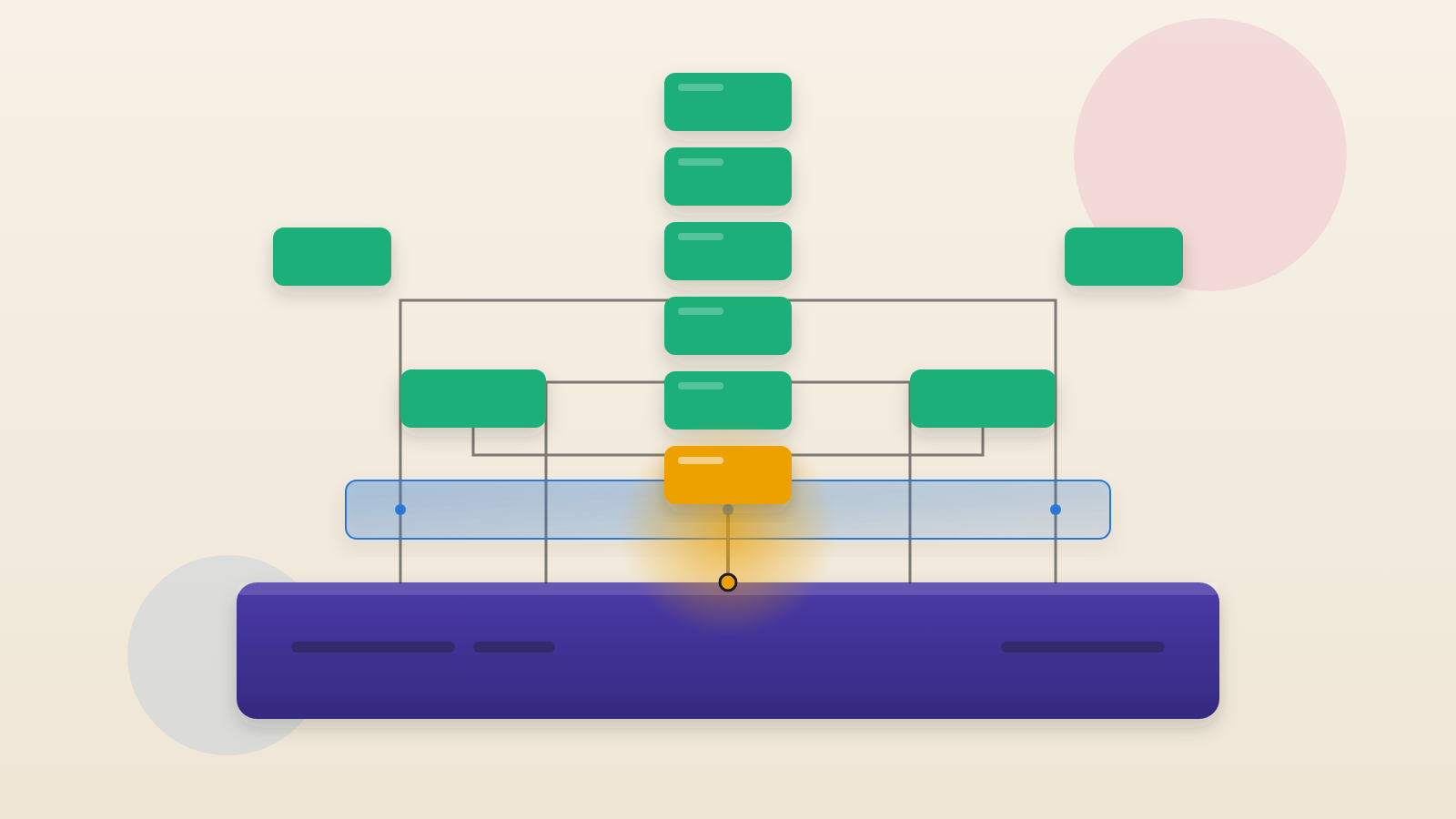
A semantic layer is a governed, shared set of definitions for business terms. The share of respondents who run, pilot or build one rose from 58% in June to 63% in July and 67% in August.
The share naming that layer as their agents' primary source of business context moved the other way. It was 21% in June, 19% in July and 13% in August.
Even within the group that has a layer, only 20% name it as the primary source for their agents. Having a layer does not mean agents consult it first.
The survey counts the primary source only. A layer could still be a secondary source for many agents. The data does not show that either way.
Where agents get context instead
August respondents named several primary sources. Retrieval over documents led at 32%. Direct queries to live systems followed at 21%, up from 11% in July. Long-context loading was named by 19%, and the governed layer by 13%.
The report treats the rise in direct queries as a real shift. It says retrieval and direct queries are too close to call.
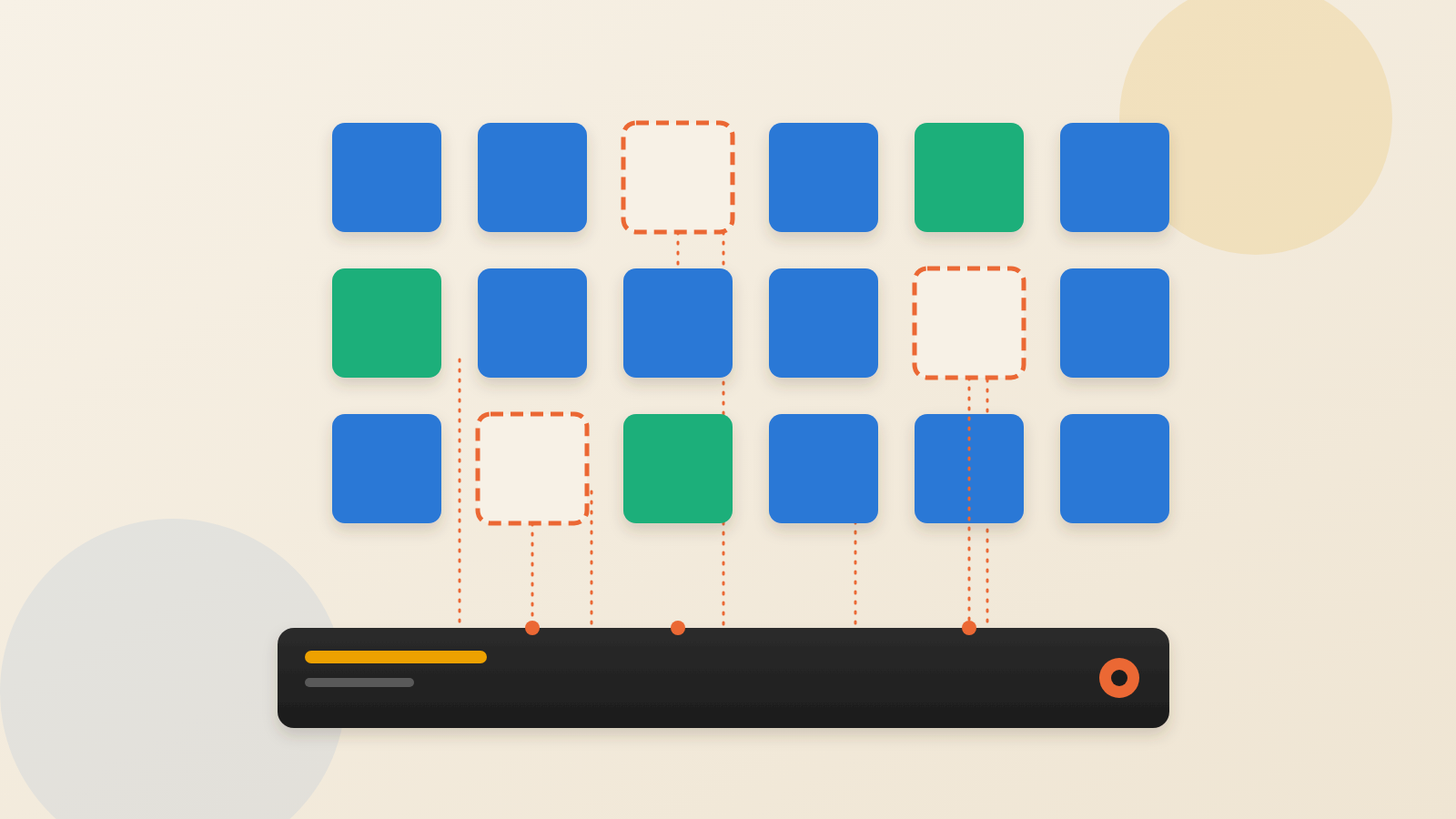
A direct query means the agent goes straight to a live system and reads what it finds. It might send a database command, call a service interface, or use MCP, a common standard for connecting AI tools. Long-context loading means pasting a big batch of documents or records into the model in a single prompt.
Neither route brings an agreed definition with it. A query can hand back a table's contents while the agent still has to guess what a column stands for. Either route can be combined with a governed layer. The survey does not say whether respondents do so.
The number that complicates the story
Context problems are widespread. Nearly two in three August respondents (64%) said a confidently wrong agent answer over the previous six months traced back to absent or conflicting business context. The July figure was 68% and June was 57%.
Then comes the odd part. Respondents whose organizations run, pilot or build a layer were much more likely to report a confidently wrong answer: 78%, against 37% for those still weighing one or with no plans. A separate July wave of 101 respondents showed 89% against 35%.
The gap survives a stricter cut. Leave out organizations that do not run agents on their own data or do not track root cause, and it is 79% against 41% in August and 90% against 46% in July.
VB Pulse did not ask respondents to explain the difference. The report offers two possibilities. A layer may give teams a correct definition to check answers against, so they catch more of their failures. Or organizations that already had failures may have built a layer in response.
The survey cannot separate the two. It also cannot show whether a layer changes the true failure rate. These numbers are not proof that layers cause errors. They are not proof that layers fix them either.
Vendors place context in different spots
The vendors VentureBeat cites show how varied the answers are. OpenAI launched a Data agent inside ChatGPT Work in September. It reads straight from warehouses such as Snowflake, Databricks and BigQuery, and gathers material from Slack, BI dashboards and file storage at the same time. Arpan Shah of OpenAI told VentureBeat the agent does not build a persistent context layer.
Keewano's KeewanoDB, another September launch, gives agents direct access to raw event sequences over MCP. Co-founder and CEO Mark Kardashov described a semantic layer built during ingestion that attaches context to each event. A direct query there is not necessarily a query without definitions.
Snowflake frames missing context as a cost and routing problem. Baris Gultekin, its vice president of AI, said in August that without good context a model must do the exploring itself. It drafts and tests queries, searches the data and tries again. That is expensive and usually needs a more capable model. Snowflake says two of its products, Horizon Context and Cortex Sense, supply that context before the model starts exploring. It adds that the access rules already in place still limit which data and models an agent may use.
This shows that a direct query is only as trustworthy as what stands behind it. Each vendor puts that context in a different place.
Questions for your team
Ask which source supplies the definition of revenue, active customer and similar terms for each agent in production. Ask whether a direct query to a live system carries a governed definition, and where it is attached. Ask whether wrong answers are logged and traced to a root cause. Without that tracking, a layer's effect cannot be seen.
A definition that no agent consults is documentation, not governance.
Produced by the WebPulse Newsroom with AI assistance from the original reporting credited below, and checked against that source by our editorial review. How we use AI.
Original reporting: VentureBeat.