- Relationships Australia SA says AI agents screen clients for risk while they wait five to six weeks, and a trained person calls those flagged.
- The agent only decides who gets a human first. iTnews's report of the talk gives no results, accuracy figures, risk definition or independent review.
- Leaders with queues should ask who acts on each flag, what happens to unflagged people, and how the agent's historical data is checked.
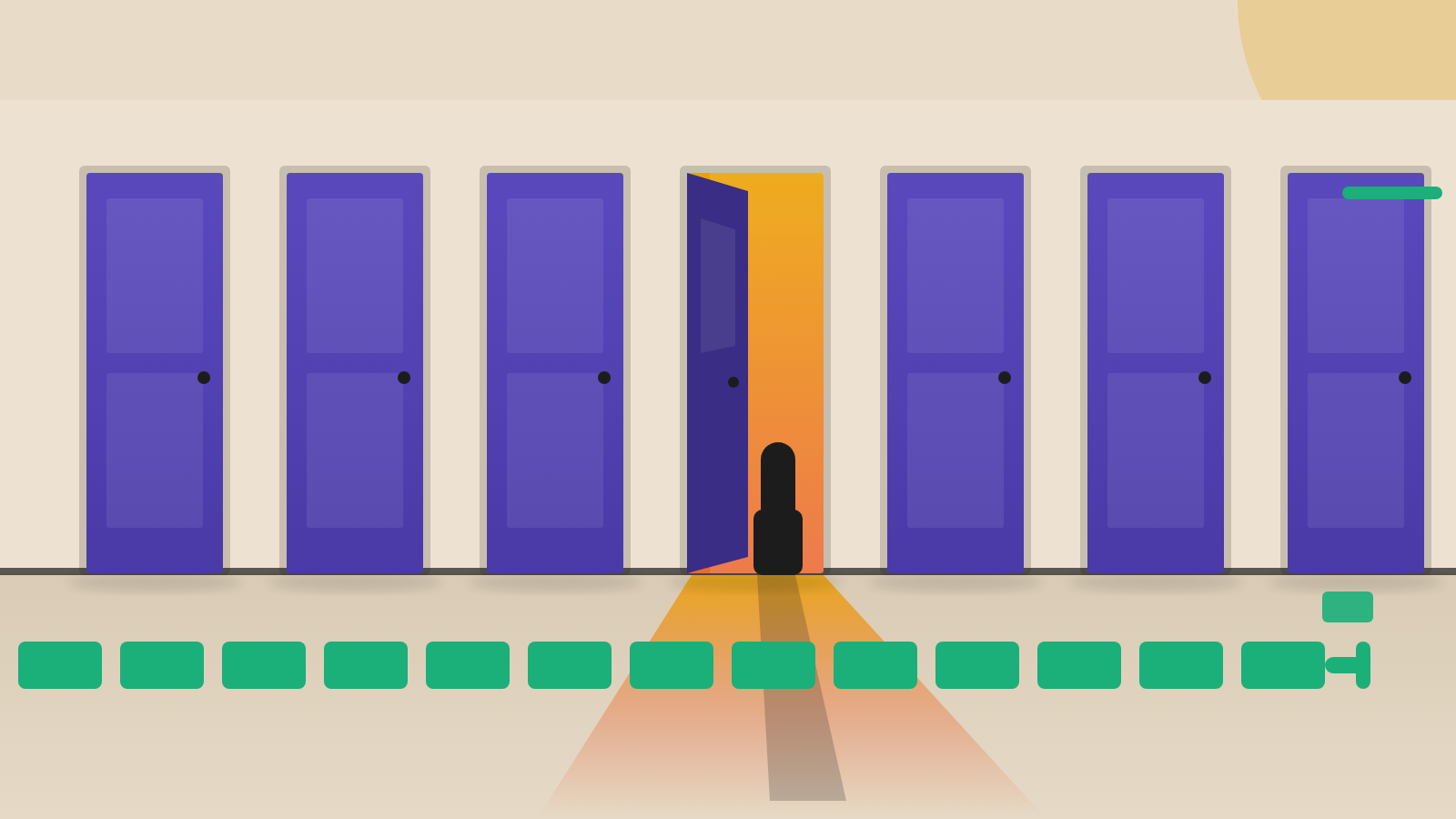
This AI project is not about speed. It is about what happens while people wait. With a typical wait of five to six weeks, Relationships Australia SA is using software to find clients who may be at risk before their first appointment.
Former CEO Claire Ralfs described the system at the Salesforce Dreamforce conference, as reported by iTnews. Each year, more than 21,000 people turn to the charity for help, she said. The usual wait for an appointment is five to six weeks.
"The struggle for us is knowing that as people reach out, they're at some of their riskiest [times], and yet it can be five-to-six weeks before we're able to respond," she said.
The wait is the risk
Ralfs called what the organisation has learned from its screening survey "very sobering". Among people arriving for a first appointment, she said, about half are dealing with family violence. A quarter grapple with behaving unsafely themselves. One in ten needs a plan to prevent suicide.
These are the organisation's own figures, given in a conference talk. They show why the weeks before an appointment matter. A queue is not neutral when many of the people in it are in danger.
How the screening works
The first agent is called family DOORS. The name stands for "detection of overall risk screen". The organisation describes it as a screening framework used across all its services.
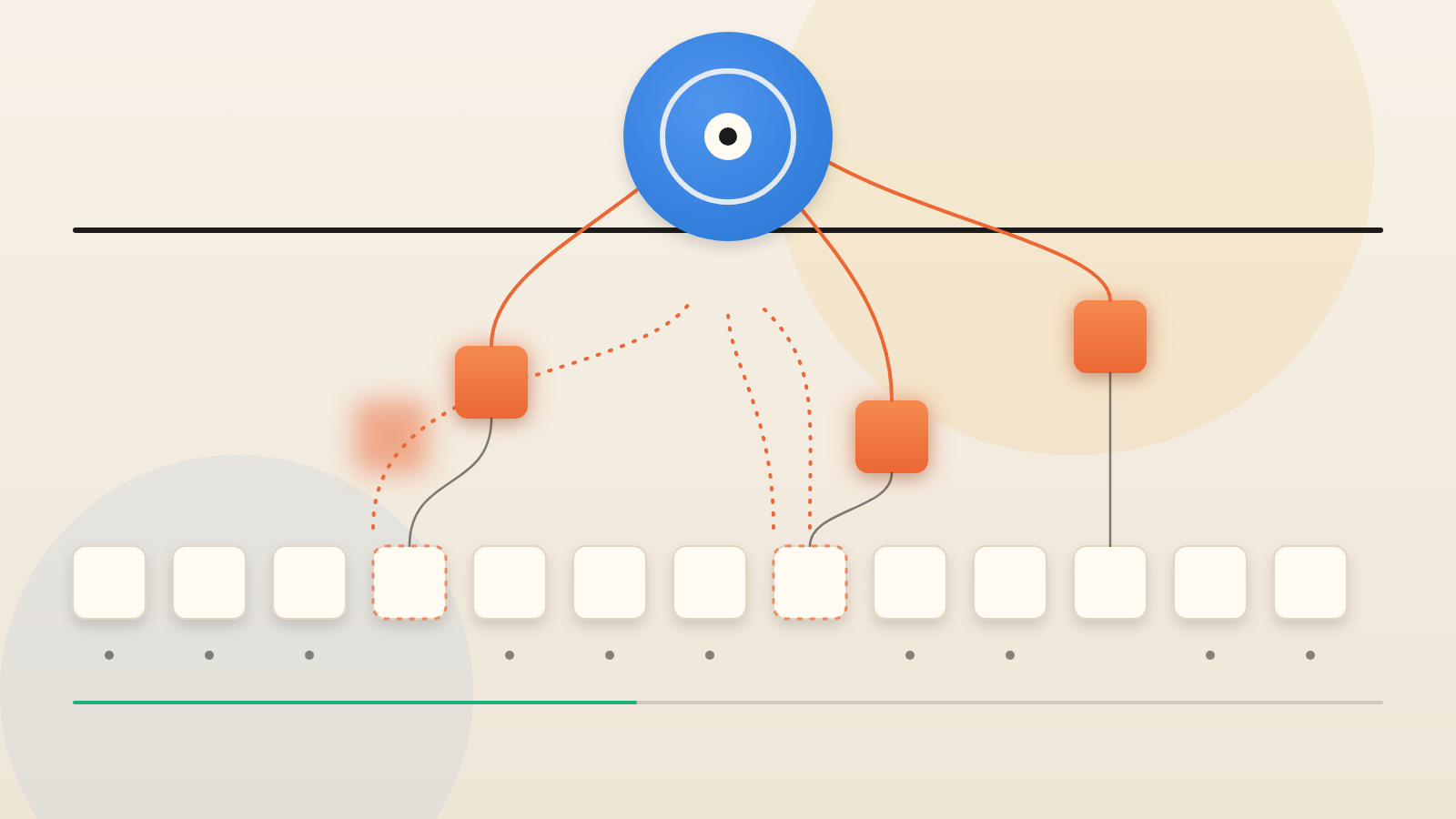
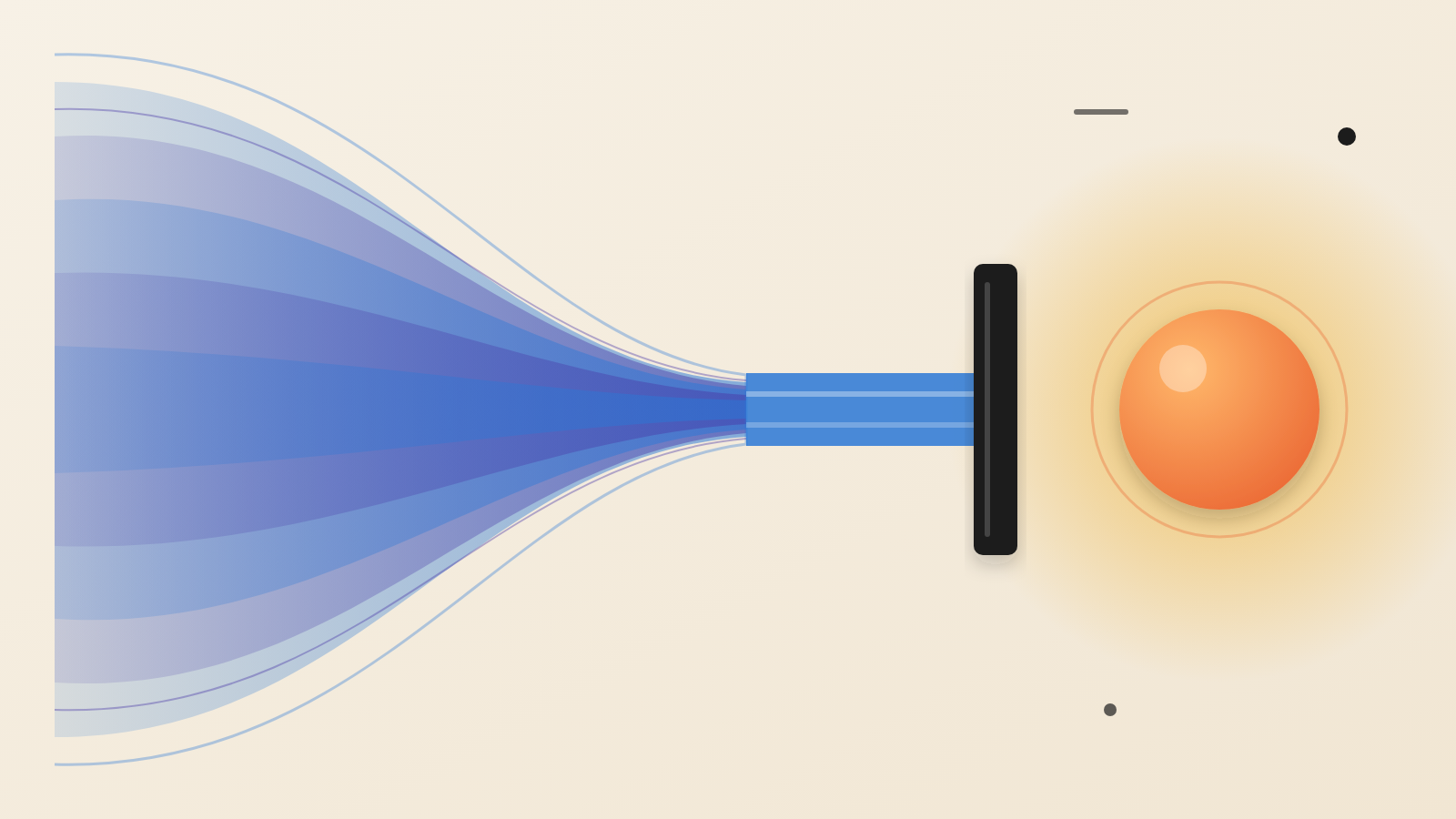
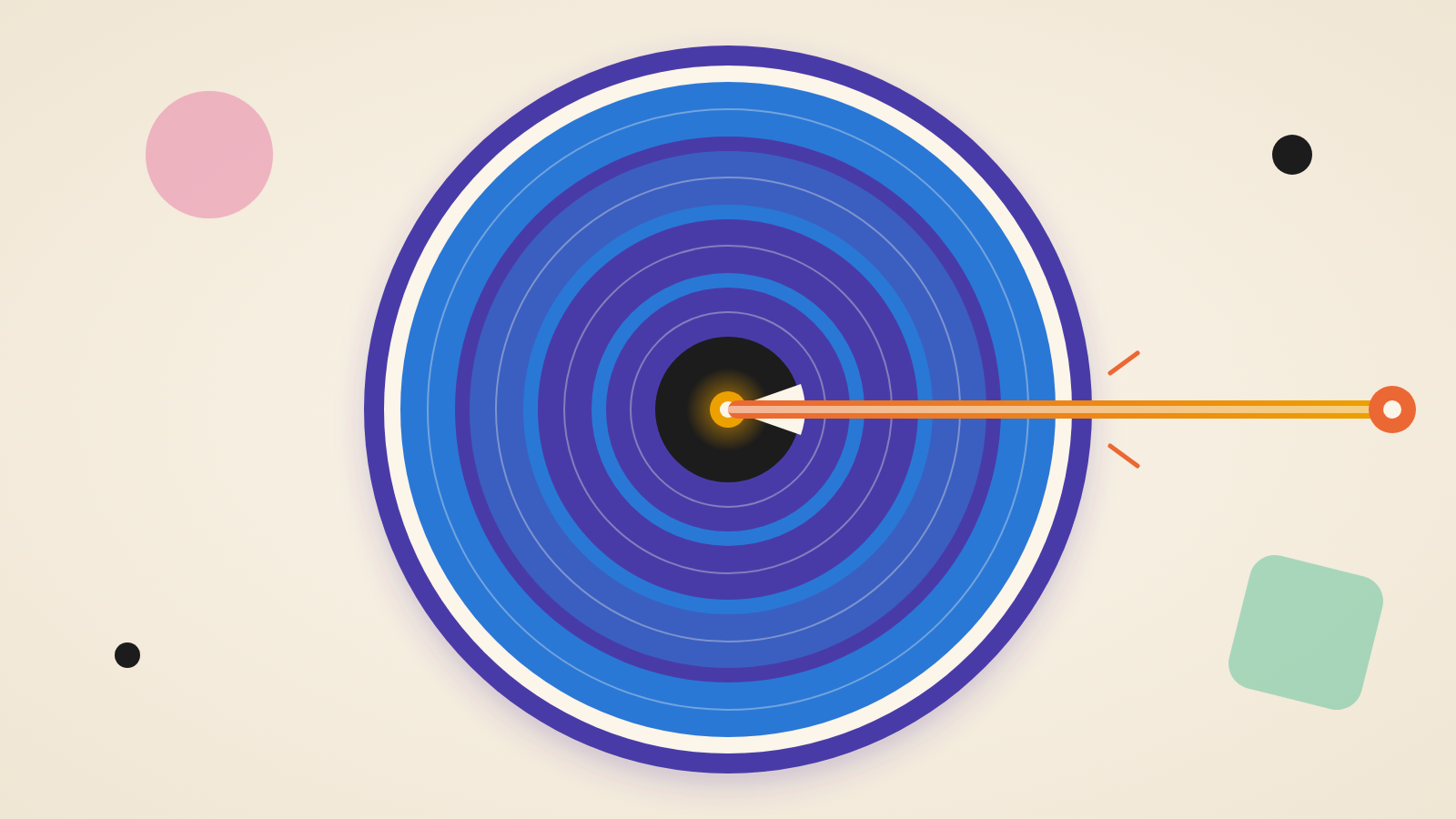
The steps are simple. A client books an appointment. The DOORS survey is sent to them at once. They fill it in and submit it. The agent then compares their answers with 15 years of DOORS data held by the organisation.
The source does not say how "elevated risk" is defined or scored. It does not name the type of model, the method of comparison, or the threshold that triggers a call. That gap sits behind several questions later in this story.
If the answers point to elevated risk, the system triggers a call from a trained person. Ralfs said staff call within a few days, if not a few hours. They check that the client is safe until the appointment.
The agent does not make the safety decision. It decides who gets a human first. That is the design choice worth noticing.
A second agent saves the first conversation
The second tool is a participant management agent from Salesforce's Nonprofit Cloud. Salesforce markets it as support for case managers and program staff. Relationships Australia SA configured it and branded it Agent Atlas.
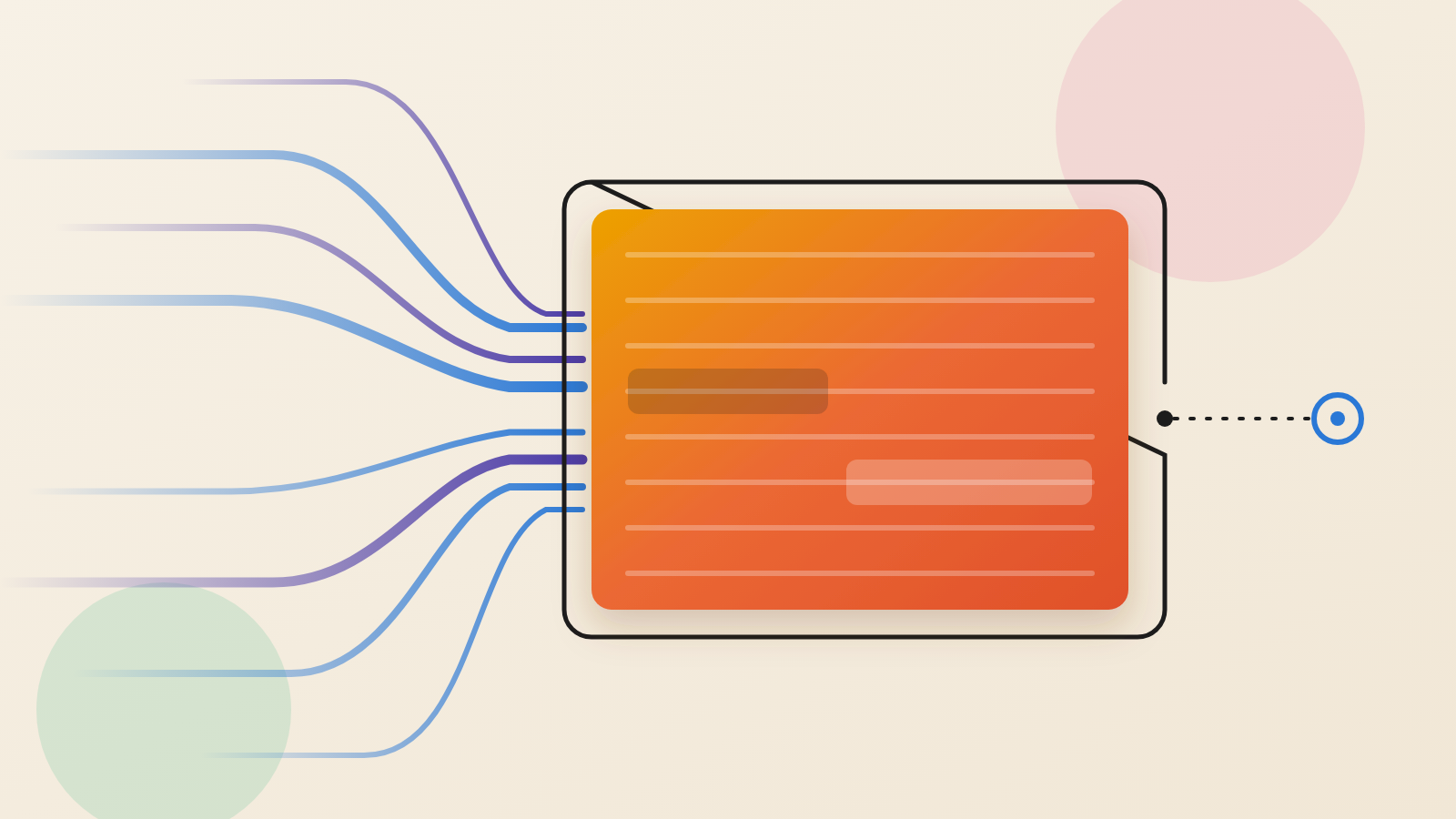
Atlas writes a client summary before the booked appointment. Ralfs said the practitioner can start from where the client is today, without covering old ground. The DOORS coach also helps document the session and check that all the client's issues were covered.
The organisation has used Salesforce's Nonprofit Cloud for about 10 months. It worked with partner AlphaSys on the build or configuration. Around 400 people work there, across 25 services. These include family mediation, relationships counselling and programs on gambling harms.
The idea: AI as a triage nurse, not a counsellor
A hospital emergency department does not treat everyone at once. A triage nurse decides who cannot wait. This deployment applies the same logic to a counselling waitlist.
This shows a useful pattern. The strongest case for an AI agent may not be replacing a professional. It may be covering the gap before the professional is available. Here the agent works in the waiting weeks, and a person acts on its output.
What the account does not say
iTnews's report of the talk gives no results. It does not say how many clients were flagged, how many calls followed, or what happened to them. It does not say how accurate the screening is.
It also does not say how the agent handles a client who answers a survey in a way that hides danger. Nor does it say how many clients receive no call and how that group is checked. Those limits matter because the speed that lets an agent screen thousands of clients also applies to its mistakes.
Ralfs is a former CEO speaking about her organisation's own work. This is a first-hand description, not an independent review.
Questions for leaders considering something similar
Leaders in health, welfare, insurance or any service with a queue can ask five things of their own teams.
First, who acts on the agent's flag, and how fast? Ralfs described a call within hours or days. Second, what happens to people the agent does not flag? Third, how is "elevated risk" defined, and how is the historical data used for comparison checked for gaps or bias? Fourth, who reviews cases the agent missed? Fifth, where does sensitive client data sit, and who can read the summaries?
The lesson is narrow but useful. When a delay is hard to remove, an agent can help decide who is protected during it. The test is whether a person is waiting on the other end of every flag.
Produced by the WebPulse Newsroom with AI assistance from the original reporting credited below, and checked against that source by our editorial review. How we use AI.
Original reporting: iTnews.