- The Verge reports that users of several AI agents see blocks on major sites, including Delta, Yelp and two banks, for reasons of policy, price and security.
- EquiStamp's Chris Canal says anti-bot systems built to stop scams may also catch agents. No company has confirmed this.
- Decide whether you want agent traffic, test what your bot defences do to it, and set terms.
A customer sends an assistant, and the door may stay shut
An AI agent is a customer's stand-in. It logs in, searches, fills a basket and pays. Websites increasingly have to decide whether that stand-in is a customer or an intruder. Big sites are answering differently. Some answer on purpose. Others may be answering by accident, through security tools that were never aimed at agents.
The Verge reported on October 17 that users of Meta's Muse, xAI's Grok, OpenAI's Dots and Instinct describe blocks on top websites. In a statement to TechCrunch, Yelp limited agent access to firms that buy a data licence. Delta Air Lines is stopping agents from booking tickets for users. JPMorgan Chase and Charles Schwab confirmed that they keep agents out of customer accounts, citing security.
Some users also say Cars.com and Amtrak stopped working with their agents. The Verge reads this as a hint that other companies may be blocking quietly. Neither company is quoted in the report, so treat it as unconfirmed.
Three kinds of deliberate no
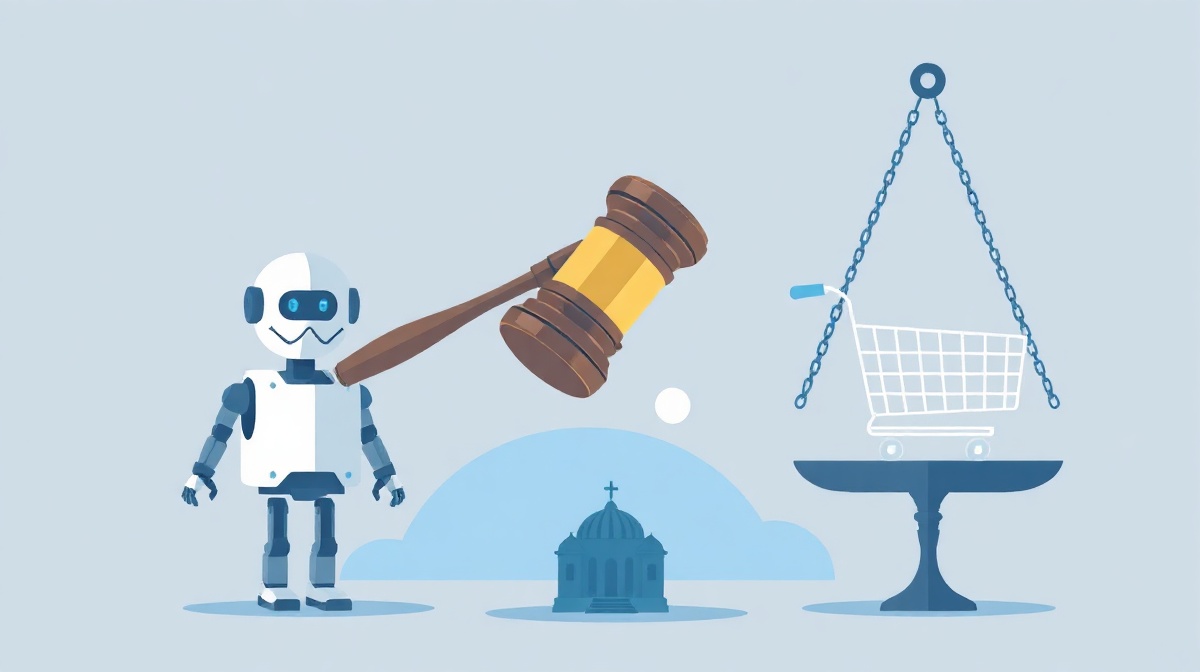
The first is policy. Amazon said Muse's "continued access" violates its site policies. Last year it banned Perplexity's shopping agent and sued. Amazon said it had "repeatedly requested" that Perplexity stop, and argued that outside firms buying for customers should respect a provider's choice.
Perplexity replied that Amazon wants human eyes on its ads. A judge ordered Perplexity's agents off the site, but an appeals court overturned that order in August. Amazon has since filed an amended complaint. The legal question is still open.
The second is price. Yelp ties agent access to a paid licence. The third is risk. The banks point to security. In each case the site, not the agent maker, sets the terms.
The possible accidental block
Not every closed door may be a decision. The Verge says agents "may still be clashing" with anti-bot systems, even where sites have not banned them. Chris Canal, CEO of the AI safety evaluator EquiStamp, told the outlet that many defences exist to stop scams and hacking, not agents. His view: agents trigger those same safeguards.
The evidence so far is thin. Reddit posts suggest Google is blocking some Muse accounts for "suspicious activity." Other users report checkout trouble at Walmart, despite its partnership with Meta. These are user reports. No company has confirmed an accidental block.
Why an agent can look like an attacker
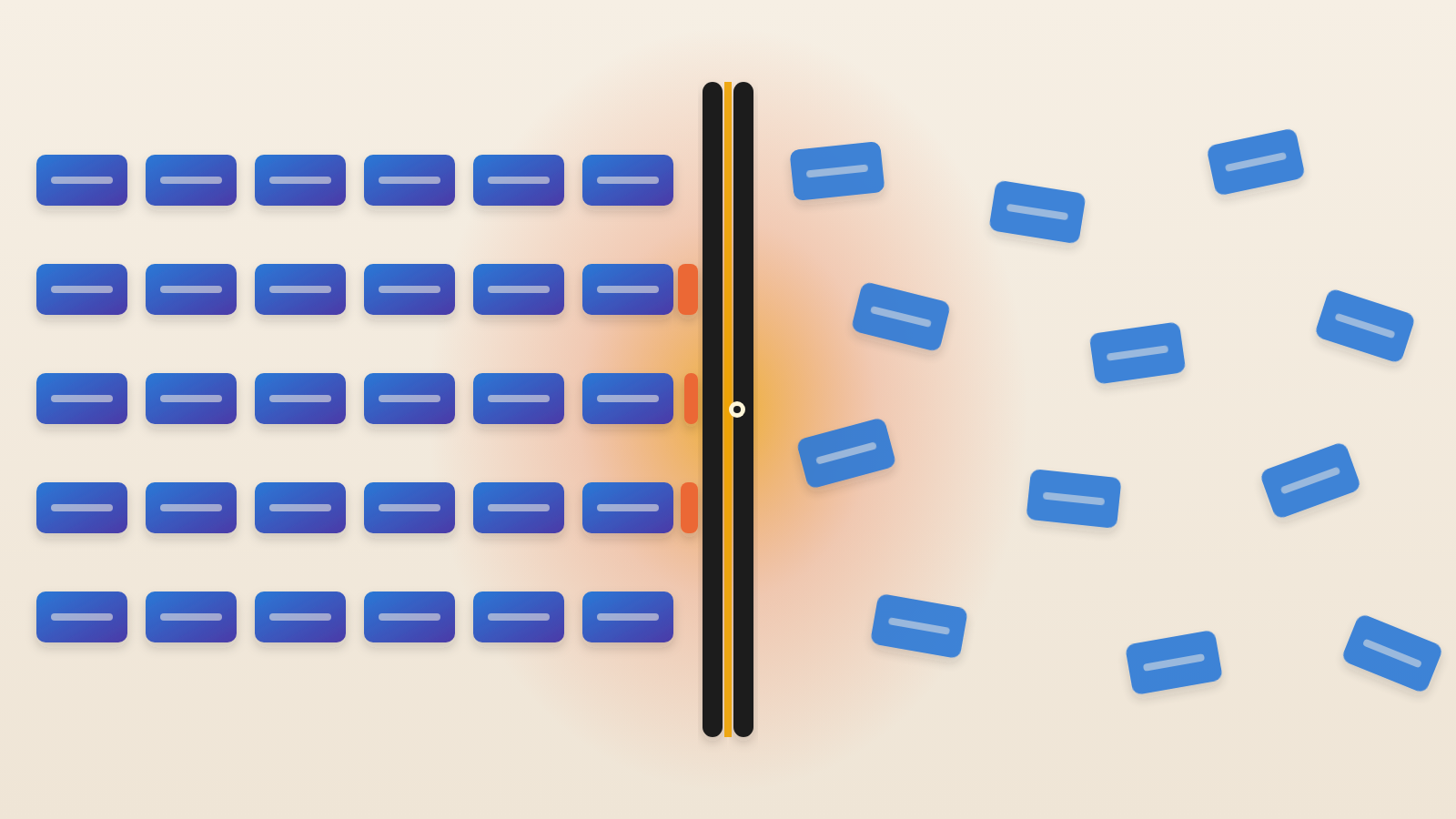
This section is general background, not a claim about any named site. Anti-bot systems usually judge visitors on a few signals. One is whether the browser is being driven by software. Another is behaviour, such as speed, timing and repeated patterns. A third is reputation, such as where the traffic comes from.
A scammer's script shows many of these signals. So can an agent working for a real customer, because it also drives a browser and moves faster than a person. The defence sees the signals. It cannot see who is paying for the errand.
Cloudflare, a web infrastructure provider, also helps sites keep out unwanted AI visitors. The Verge says it gave site owners a simple setting to refuse AI crawlers in 2025. It later started refusing crawlers that collect pages for search and AI training at once. The source does not report Cloudflare blocking agents that act for users.
The link between the two is WebPulse's interpretation. Crawler defences and agent traffic are different things. Sites that tighten the first would be wise to check what happens to the second.
Agent access is becoming something you negotiate
This shows a shift in who holds the keys. The old default was that anyone with a browser could try the door. For agents, access is turning into a commercial and legal relationship, settled site by site.
The report shows both sides. Meta says "Turning away a personal agent means turning away the customer behind it." It has partnered with Walmart, Gap, Sephora and Best Buy so Muse can shop there. Shopify has opened its storefronts to agents. These are separate deals, not a measured trend.
The cost lands on ordinary people. Picture a traveller who asks an assistant to book a flight and gets a failure with no explanation. Canal says blocks cut the agents' usefulness. He says shoppers could soon see "prove you're human" checks, even on a grocery site.
Questions for your teams
First, do we want agent traffic? Decide it as a business position, with sales and legal in the room, rather than leaving it to a default setting.
Second, what do our bot defences do to an agent acting for a real customer? Ask security to test it and report which rules fire.
Third, if we allow agents, on what terms: free, licensed, or only through partners? Yelp, Meta's retail partners and Shopify show that each option exists today.
Fourth, for staff who use agents, which vendors and banks will block them, and do we have a fallback? JPMorgan Chase and Charles Schwab have said they do.
A site that cannot tell a helper from a thief may treat both the same way. Organisations that decide in advance which one they want to admit will not have to learn the answer from a lost customer.
Produced by the WebPulse Newsroom with AI assistance from the original reporting credited below, and checked against that source by our editorial review. How we use AI.
Original reporting: The Verge.