- UBC researchers showed in lab tests that an attacker who controls a router can disrupt a water-treatment model by blocking selected encrypted messages.
- Encryption hid the contents, but the timing and size of messages still gave away the moments that mattered.
- Leaders running cloud-linked industrial systems should ask whether operations stay safe when network messages are lost or delayed.
Encryption hides the message, not the moment
A sealed envelope keeps its letter private. The envelope still shows how thick it is and when it arrived. Researchers at the University of British Columbia (UBC) found that industrial systems leak in much the same way.
The lesson here is simple. Encryption protects what a system says. It does not protect when the system says it. As plants move monitoring to the cloud, timing becomes something an attacker can use.
What the researchers did
The UBC team built an attack framework called ICS-Sniper. It targets facilities that send data to cloud monitoring and control services over encrypted links. The attacker must first take over a router on the path between the facility and the cloud.
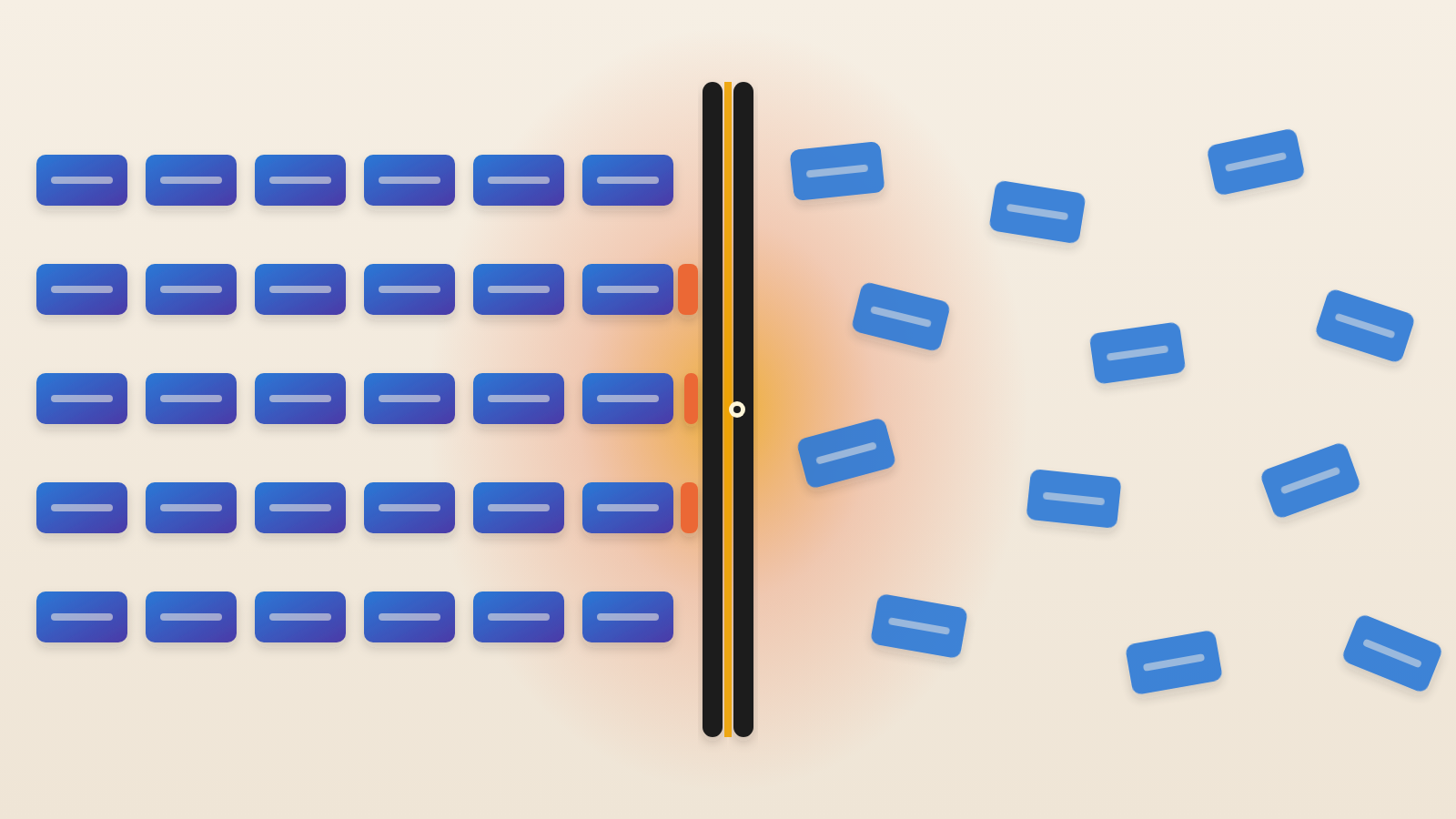
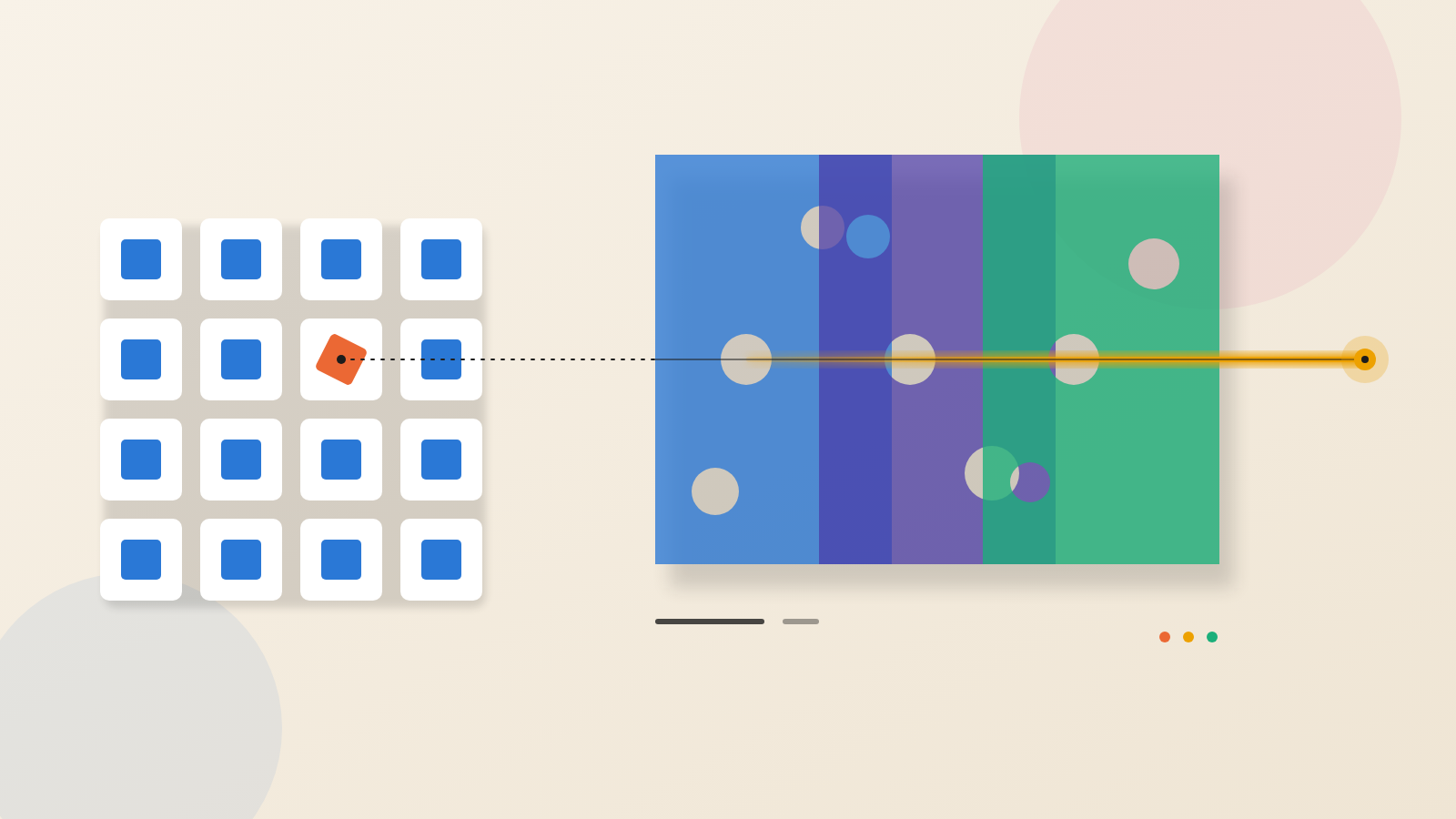
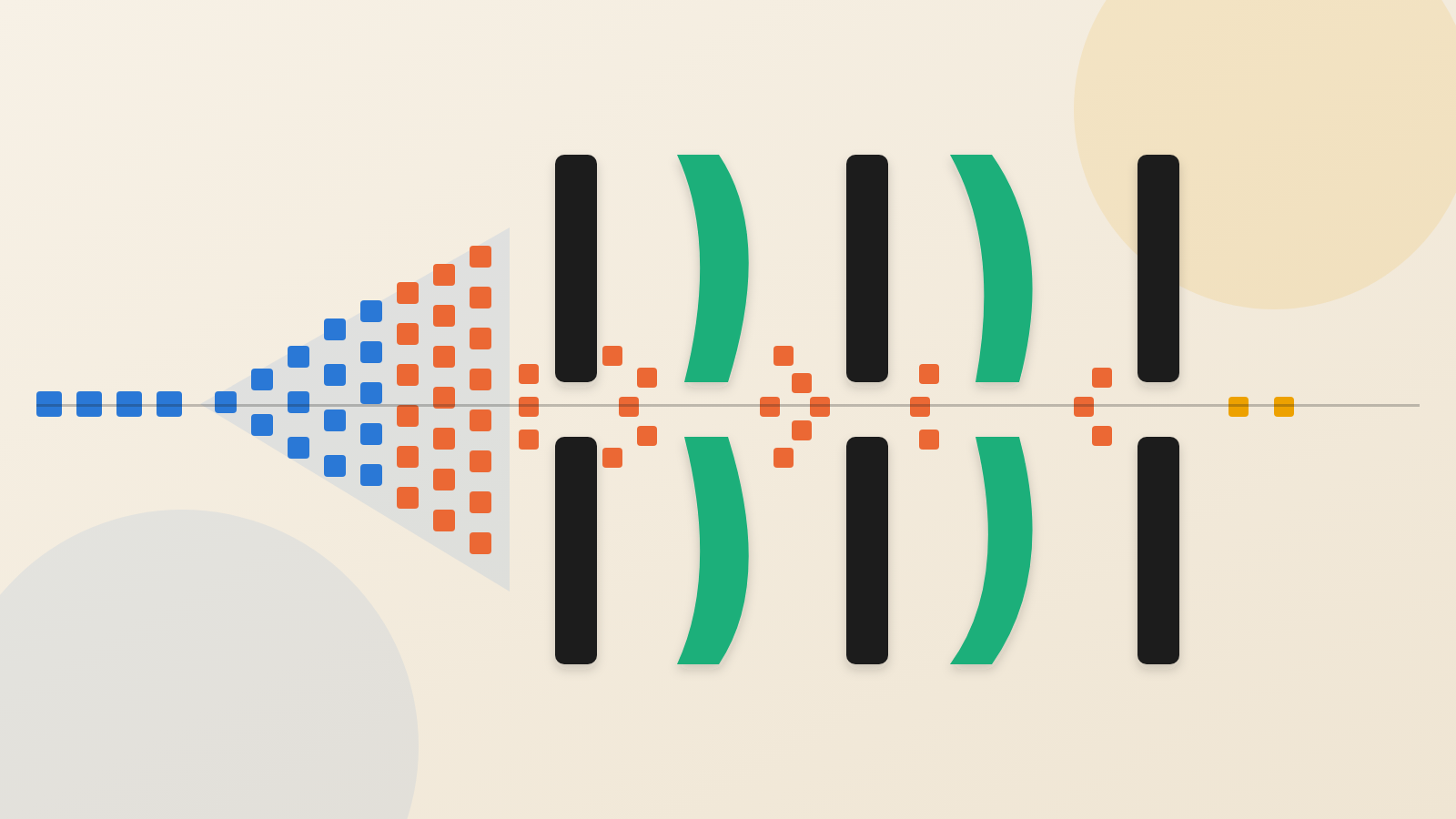
The attacker does not need to read anything. It watches message size and timing, then blocks selected messages. Those two clues point to the moments that matter. The attacker then blocks a small share of messages at exactly those moments.
The researchers say this disrupts operations without entering the plant's own systems. It also slipped past the attack detectors the team tested.
How the attack works, in plain terms
In a plant, computers and controllers decide when pumps start and valves open. Engineers call this an industrial control system. Some of these systems now swap messages with cloud services. Those messages pass through ordinary network equipment on the way.
Control traffic is regular. Routine status updates look one way. Key commands look different, in size or in timing. An attacker who learns the difference can drop only the key commands.
That needs no flood of traffic. It needs no access to equipment inside the plant.
The researchers chose the name for that reason. Like a sniper, the attack picks a narrow target and leaves a small footprint. Professor Karthik Pattabiraman said blocking a small amount of traffic "could trigger a much larger operational disruption."
What the tests showed, and what they did not
The lab work used a research model of a water-treatment plant from the Singapore University of Technology and Design. The team adapted it to talk to the cloud. They built two versions. One used software controllers. The other used standard industrial control hardware. Both simulated the physical processes.
In one test, clean-water pumping started about 15 minutes late. In another, a simulated valve stayed open more than nine minutes longer than intended. The release notes that such a failure could cause treated-water loss in a real plant.
The limits matter. These were lab models, not live plants. The attacker needs control of a router on the path.
The team chose water treatment because public schematics let them copy the control systems. They also tested their traffic-analysis method on several industrial protocols, including a power-grid dataset. The operational disruptions, though, were shown only in the water models.
The decision this forces
In our view, "encrypted in transit" is too often treated as a finished task. This research suggests it is only half of one. For physical systems, a second question matters. Does the plant keep running safely when messages go missing?
The team is working on two defences. One is to make traffic harder to read, such as by adding filler to messages or shifting when they are sent. Any such change must respect the timing needs of industrial equipment.
The other is to make plant controls tolerate network trouble. That includes giving important messages alternative routes.
The team has released its code, build instructions for the lab testbeds and the traffic data. Other researchers can repeat the findings and test defences. The authors will present the paper in Seoul in 2027 at the Network and Distributed System Security Symposium.
Questions to put to your team
First, which control or monitoring traffic leaves the site for a cloud service? Which routers and providers sit on that path?
Second, what happens to operations if a key message is lost or delayed for ten or fifteen minutes?
Third, do your detection tools look only for floods and break-ins? Or do they also notice selective message loss?
Fourth, can vendors show how they would add padding or timing changes without breaking equipment deadlines?
First author Dr. Gargi Mitra said exposure to attacks like this could grow as more industrial systems connect to the cloud. Her stated aim is to find such weaknesses before attackers do. She noted that these cloud services are still new, so fixes can be built in early. In our view, that makes now the cheaper time to ask.
Encryption keeps the contents secret. Resilience keeps the water flowing when the messages stop.
Produced by the WebPulse Newsroom with AI assistance from the original reporting credited below, and checked against that source by our editorial review. How we use AI.
Original reporting: eurekalert.org.