- A speaker on the AI Engineer show said Vanguard's old ledger database received data, and the team could not tell how it got there or who produced it.
- The talk's closing lesson was to know who produces and who consumes your data. Our reading is that this is a hidden cost of keeping legacy systems.
Keeping a legacy system has a cost that rarely shows up in a budget: not knowing who writes to your data or who reads it. Gareth Yoder, who leads the cash program at Vanguard, gave a talk on the AI Engineer show about moving a cash ledger to the cloud. The link to legacy cost is ours, not his.
What was said
The cash ledger is a record of money movements. A speaker on the show said its services receive upwards of 30 million calls a day. The transcript does not label who speaks each line, so we credit quotes to a speaker on the show.
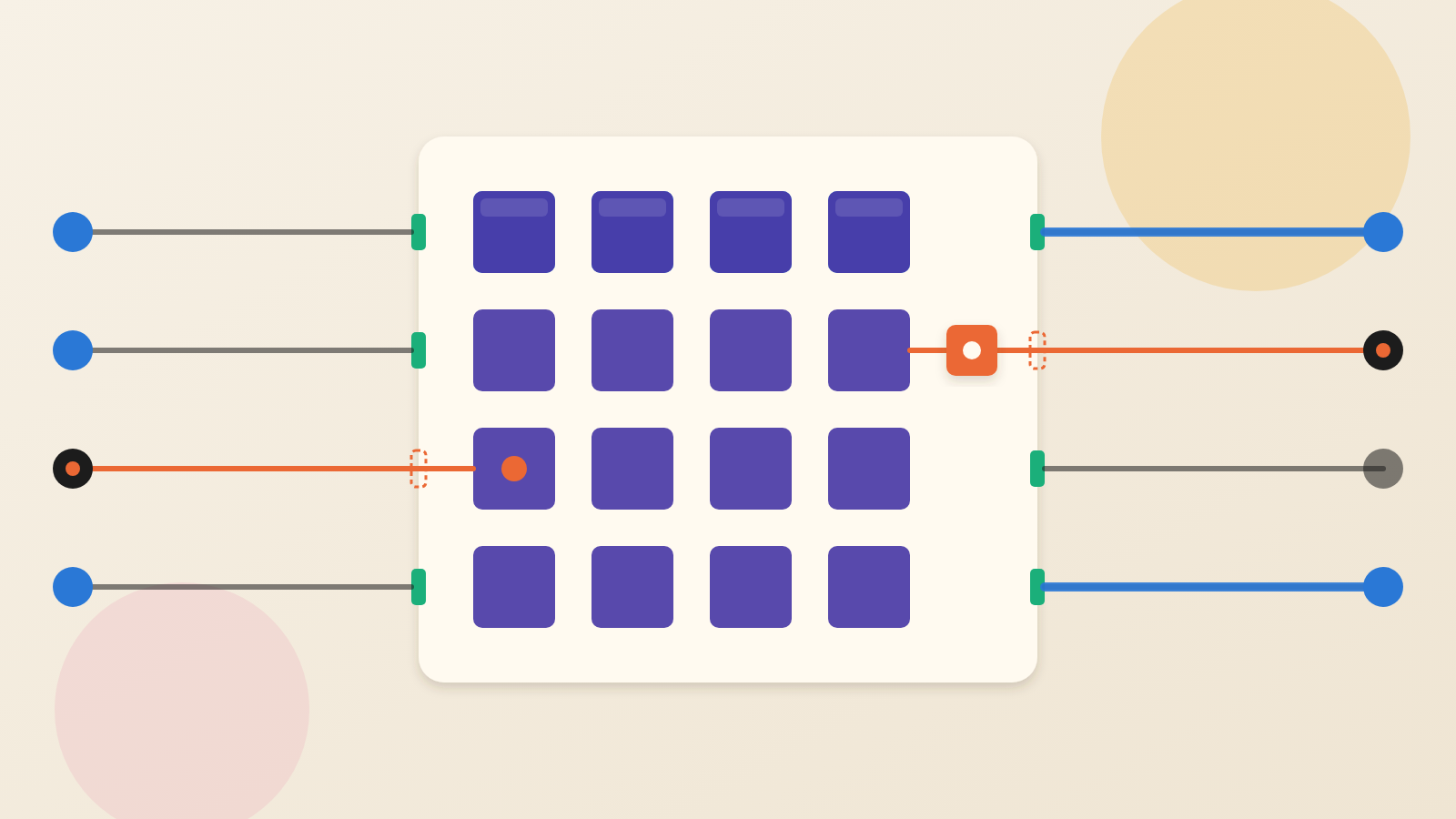
Producers are the systems that send data in. They reached the old ledger three ways: a service request, an API wrapped around that request, or a direct table insert. A direct insert writes straight into the database, skipping the official routes.
The speaker called that last route the most daunting. The reason given: "we would see data appear in our database and we weren't sure how it got there or who produced that data."
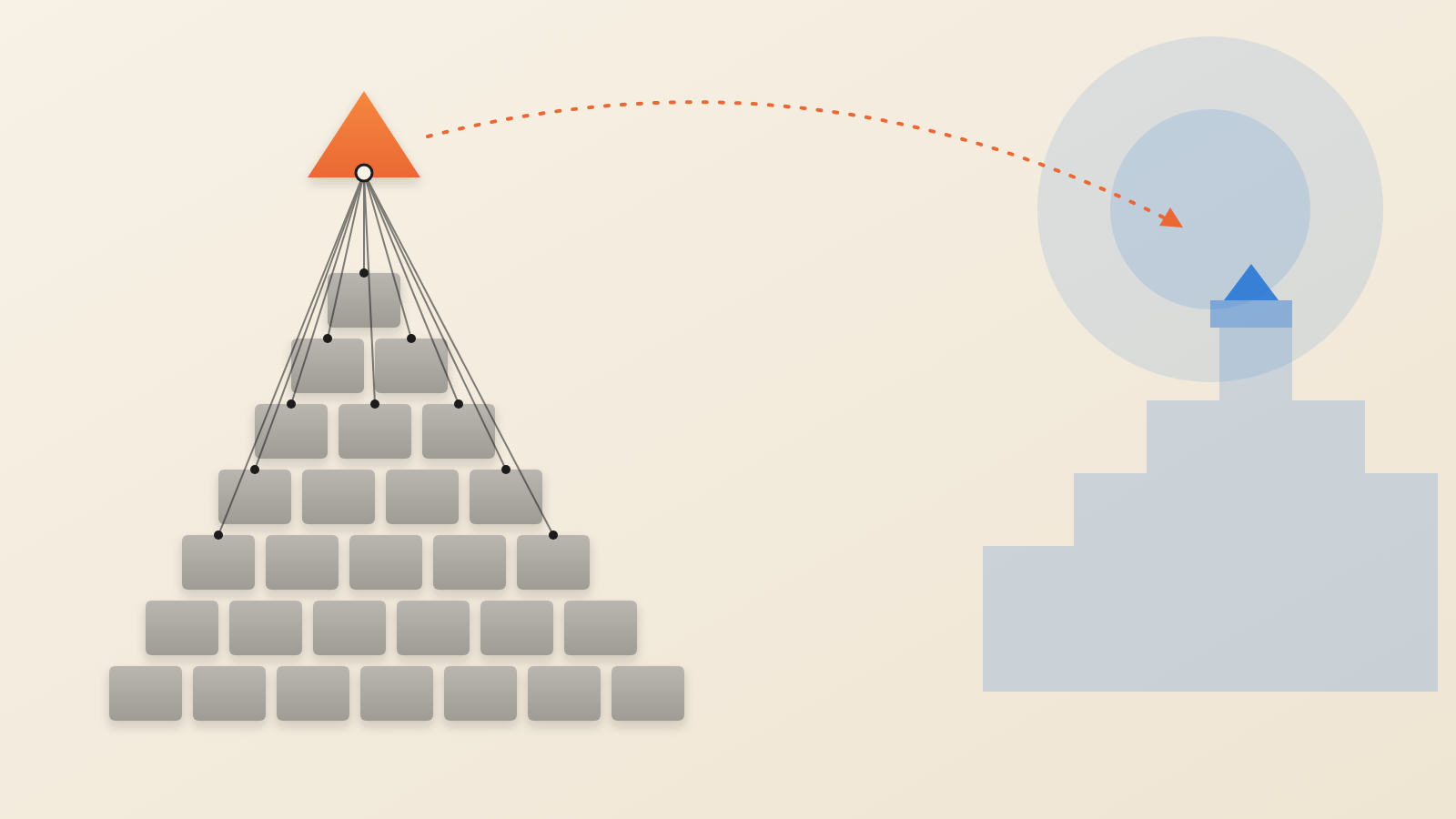
The team's fix was a common data schema on a gateway that wraps its APIs. It also built operations that are safe to retry without creating duplicates, plus strong consistency across multiple writers. About 35 producers had to move over.
Roughly 50 consumers, the systems that read the data, also onboarded. Each gave a description and a business case. That shows how fast to react in an outage: a batch job may allow hours, a live API only minutes.
The talk closed with this advice: "observability is non-negotiable. You need to know who's producing your data and who's consuming your data."
Why it matters
Our reading: the gateway is where the checks live. A direct insert never passes through it, so the schema and retry protections cannot cover that write. A writer nobody can name also cannot be asked to move, so nobody can plan a safe cutover.
So staying on legacy has a price beyond licences and scarce staff. It is the work of finding what touches your data. Budget signers could ask three questions:
Can we list every system that writes to our core tables? Do we know who reads them, and why? Who would we call if one of those writes stopped?
The other side
The excerpts do not say how many direct inserts Vanguard found. They also do not say how the team traced them. They show the fix for the future, a gateway and a registry of users, not how the unknown writers were identified.
This is one firm's account in a conference talk. It gives no figure for what the missing visibility cost. It was a migration lesson, not a measure of legacy cost in general.
The work is also unfinished. A speaker said the team is still evaluating how to feed the business justifications into its observability and log traces.
Written by the WebPulse Newsroom with AI assistance, and checked by our editorial review: every quotation was verified against the recording's transcript. How we use AI.
The conversation this talking point comes from
- AI Engineer: AI Cut Our Research Time From 7 Days to 15 Minutes — Gareth Yoder, Vanguard (2026-10-21)