- The show notes say coding got fast at GEICO while decisions, sign-offs and context stayed slow. Prior said major work is limited by getting the right people together.
- Prior wants GEICO's best engineers to pick the next goal while agents climb the first one. Worksheets in the war room needed human approval.
Ford Prior of GEICO told the AI Engineer show that GEICO wants its best engineers to pick the next goal while AI agents do the building. He framed this as work in progress, not a settled answer. His talk covered a one-day war room for the company's legacy claims systems. The show notes say he wagered that a day and $1,000 of AI spend could chart an old claims area and ship one change.
What was said
Prior said GEICO looked at its backlogs about six months before the talk. After patches and minor upgrades, engineers had 25% of their bandwidth on a good day, or less, for major changes. So GEICO began handing patch and minor work to its own managed AI agents, to leave engineers free for major work.
Major changes stayed slow. Prior said, "we find ourselves rate limited by our ability to collaborate in rooms full of the right individuals summoned at the right time".
His fix was a war room. It gathered decision makers and experts, one person driving the AI tools, and fleets of agents connected to GEICO's code and knowledge. The show notes say he ran it three times, on rentals, damages and salvage.
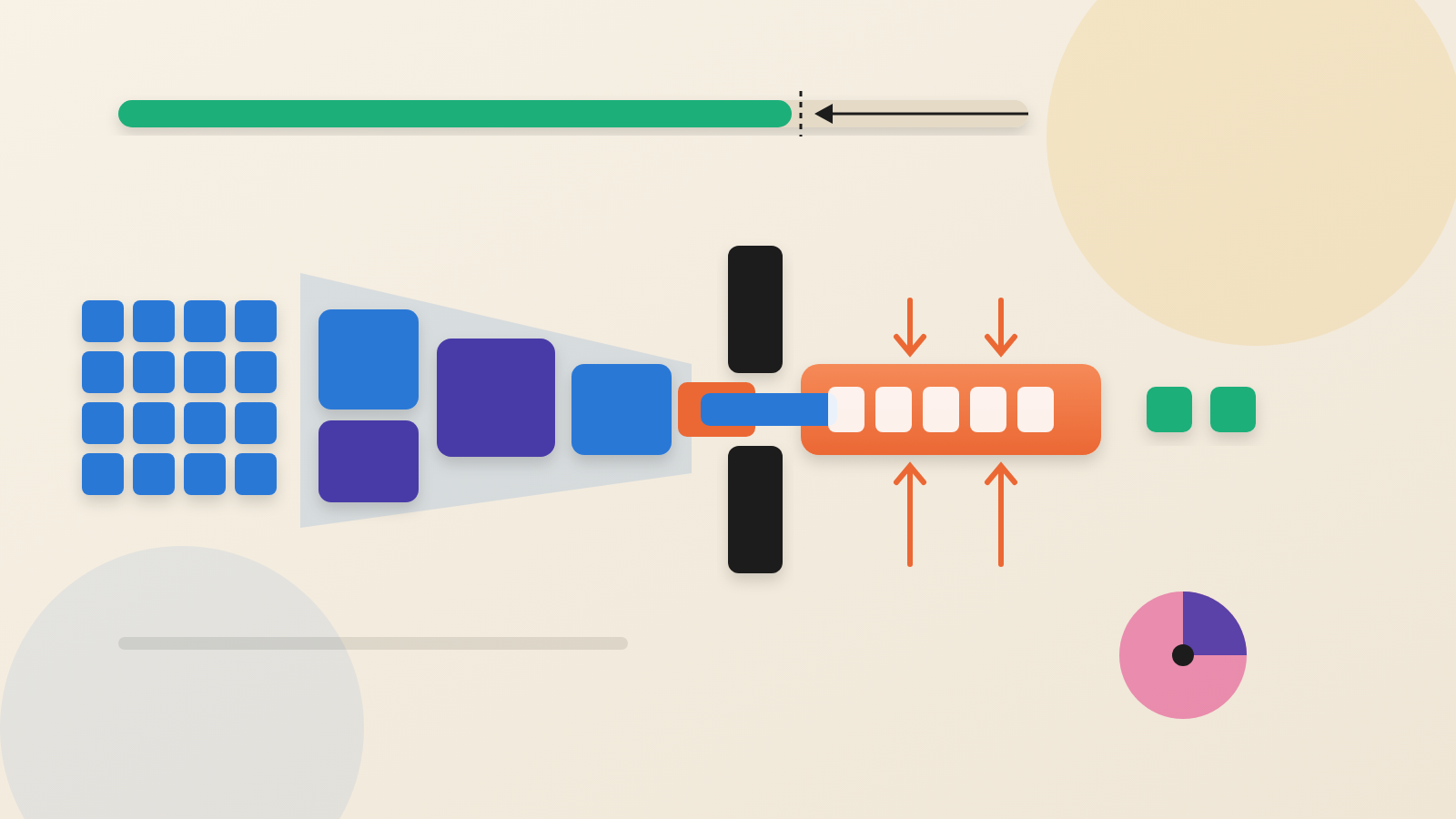
The run had nine steps, a boot step and eight more, adapted from a code modernization plugin. Cloud agents did code dives, crunching and graphing legacy code written in domain-specific languages. Local agents on his laptop used MCPs, which are connectors to tools and data. After each step, a deterministic check, meaning fixed rules rather than AI judgment, confirmed the previous step had produced its required files. Worksheets in the flow needed human approval. Prior said people gave a lot of input early and less near the end.
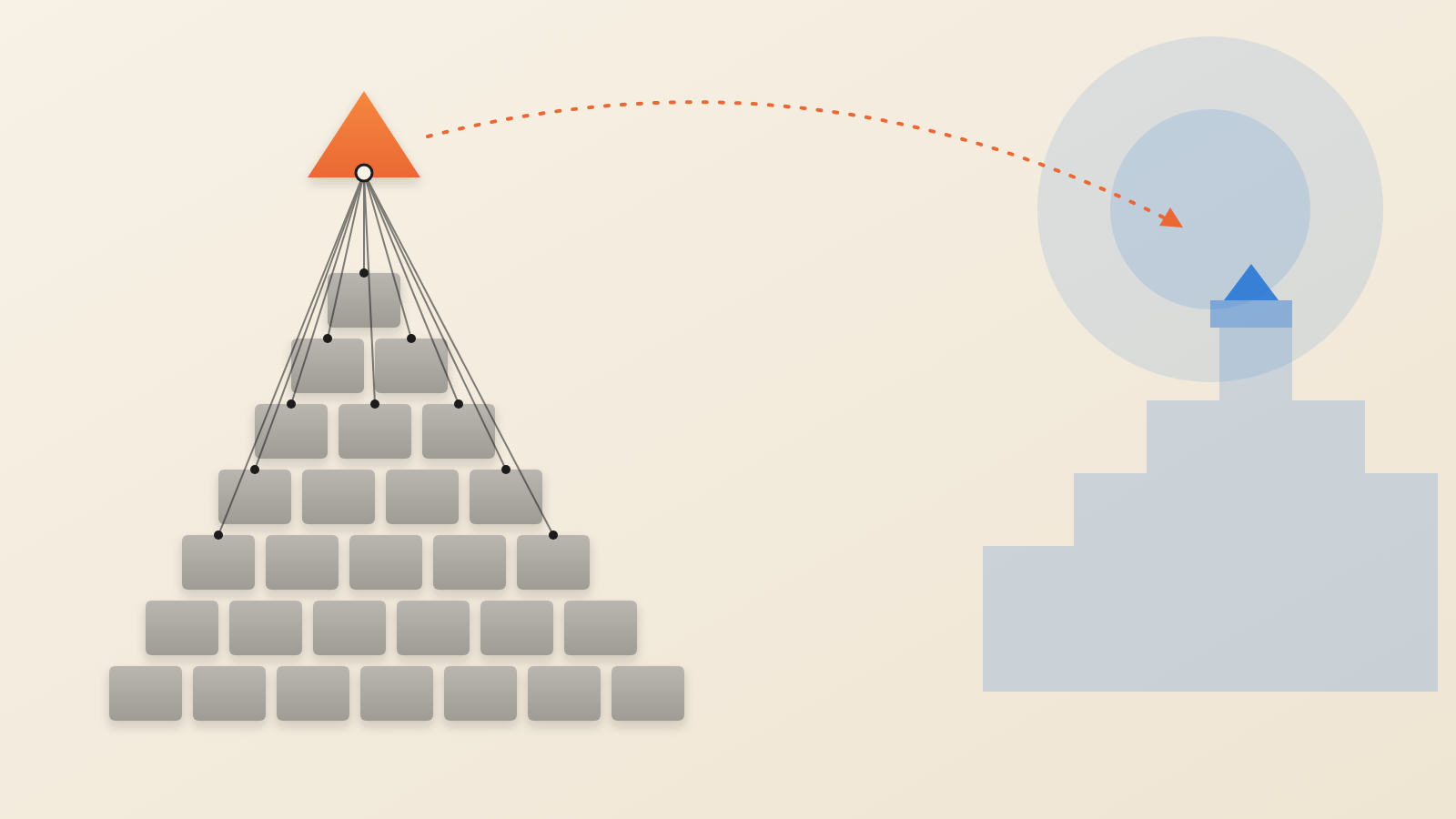
He also said the agents asked good questions that surfaced edge cases nobody had considered. Separately, he said GEICO wants its best engineers to "pick the next hill as the agents climb the first one".
Why it matters
Our reading: if building gets cheaper, the scarce resource is a person who can say what is worth building. Prior's stated aim fits that. His own constraint on major work was collaboration and decisions, not typing code.
Prior named enhanced gate enforcement as his biggest next win. In the excerpts reviewed, he did not define it. For managers, the practical question is who approves agent work and what they see first. There is also a training question. If juniors no longer write the patches, how do they learn to judge them? In the excerpts reviewed, Prior did not address that.
The other side
This is one company's account of its own experiment. In the portions reviewed, Prior gave no measured speed-up or cost comparison. He did say he ran benchmarks of agent-written code against recently written code. He also said the war room found a production bug that he called shocking, but he could not share details.
He said GEICO is still working out where humans belong in the loop. The focus on the best, brightest engineers also leaves open what happens to everyone else. The process had rough edges too. Prior lost meeting notes because he had to write them by hand, and he warned that automated check-ins can burn a token budget fast.
Written by the WebPulse Newsroom with AI assistance, and checked by our editorial review: every quotation was verified against the recording's transcript. How we use AI.
The conversation this talking point comes from
- AI Engineer: One Day, $1,000 in Tokens: An AI War Room for Legacy Code — Ford Prior, GEICO (2026-10-21)