- Meta moved Instagram Live video upload on iOS and Android to Media over QUIC, an open standard, and says quality and reliability matched the old protocol.
- The lesson is how Meta swapped a live foundation: a translation layer, a config switch and server-side routing, with rollback designed to take seconds.
- Leaders should ask how many video and call transports they run, who supports each, and whether they can reverse a rollout in seconds.
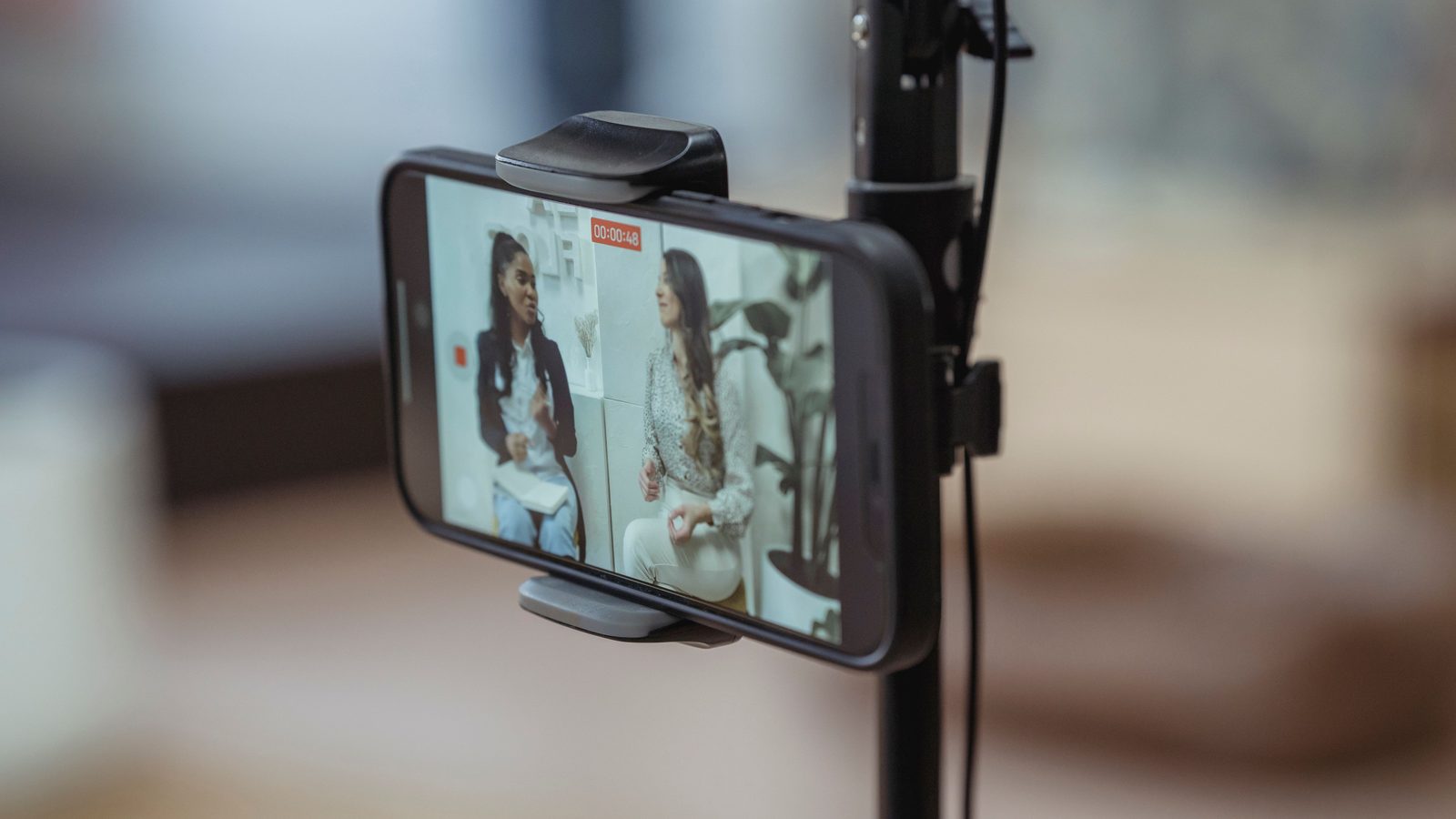
The best infrastructure change is the one customers never notice. Meta says it has just made one. Instagram Live on iOS and Android now sends live video to Meta's servers using Media over QUIC (MoQ), an open standard. Meta's engineers report that quality and reliability matched the old system.
The move is phased, and the old protocol has not gone. Meta still relies on it as a fallback on networks that block QUIC. That result is modest on purpose. The larger idea is about who owns a protocol, and how many of them a company has to run.
Fewer protocols, shared upkeep
Meta's engineering team describes a set of protocols that built up over time. RTMP handles ingestion, meaning the upload from a broadcaster's phone. HLS and DASH handle playback. WebRTC handles calls. Meta also built its own protocol, RUSH, for cases that fit none of these.
The overlap shows up in everyday use. Meta counts three separate protocol stacks for someone who goes live and then places a voice call in the same app. Each stack has its own servers, monitoring and specialist skills. In WebPulse's view, every stack is a team to staff and a failure mode to learn.
RUSH ran Meta's live video for nearly a decade. It was stable and fast, Meta says. But Meta largely evolved it alone. MoQ is being developed at the IETF, the internet's standards body, with Meta, Google, Akamai, Cisco, Cloudflare and academics taking part. The lesson here is that a standard spreads the cost of keeping a protocol current across many companies.
How MoQ works
MoQ is built on QUIC, a transport that lets separate streams make progress independently. On older TCP-style connections, one lost packet can stall everything behind it. Meta says its earlier QUIC rollout cut request errors, tail latency and video stalls compared with HTTP/2.
MoQ's core unit is a Track: a named stream of media objects. Publishers push objects in. Subscribers receive them through relays. Relays cache and forward objects without opening the video itself, so they can fan one stream out to many viewers.
Meta points to several useful properties. Delay can be tuned per viewer. An interactive participant might get roughly 100 milliseconds while a buffered or archival service on the same track waits several seconds. Relays can drop or prioritise objects when the network is lossy. And when a network blocks QUIC, a standardised mapping lets MoQ run over TCP instead.
The quiet part: changing the engine mid-flight
Meta's engineers say the hard problems had little to do with the protocol itself. Apps had to learn it. The backend expected the old format. The rollout had to be reversible in seconds. Some networks could not carry the new transport at all.
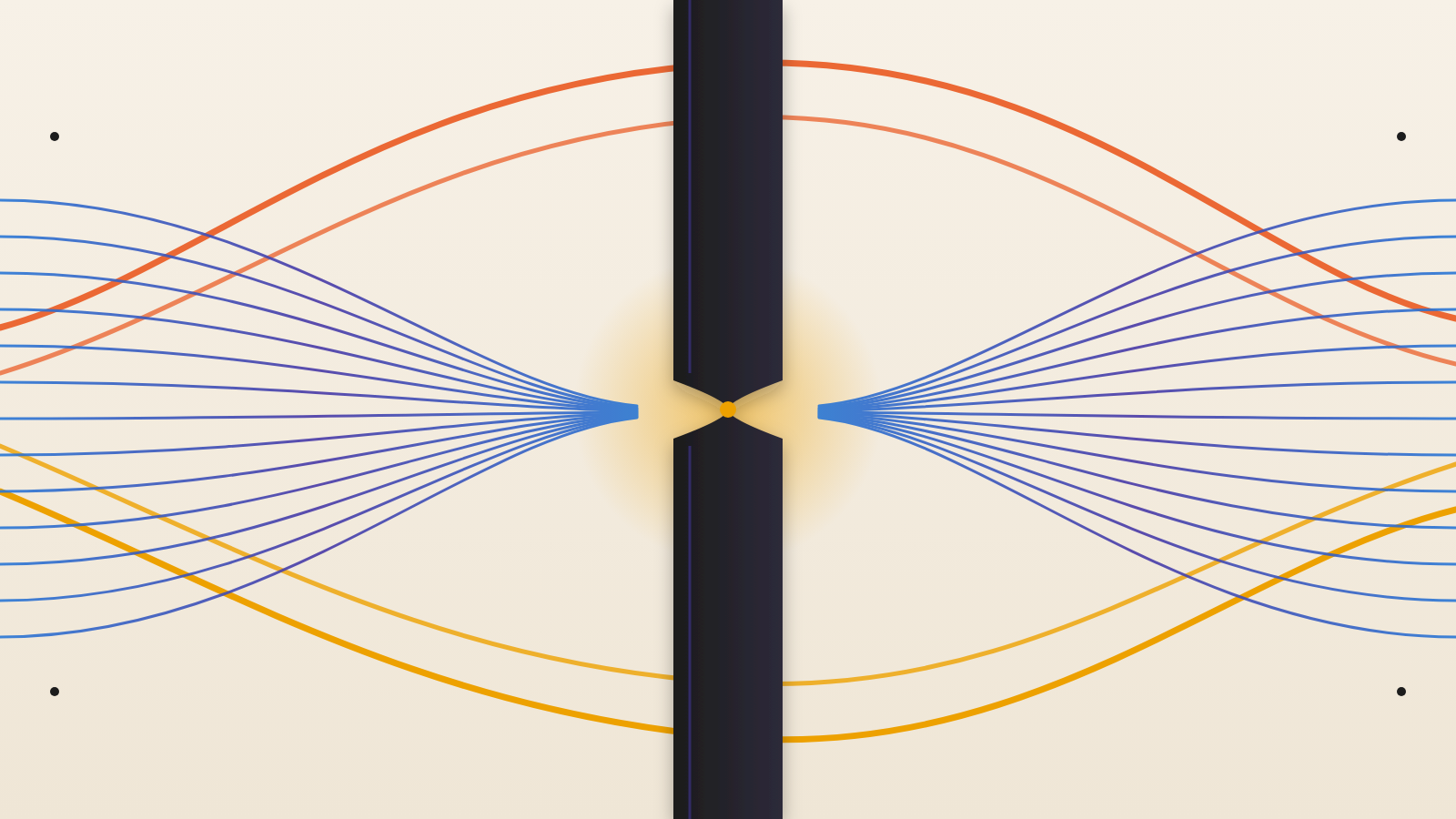
Their answers are a pattern worth copying. A single config setting picks MoQ or RUSH for each broadcast, across four apps. MoQ connections end at dedicated edge servers. There, a translation layer converts MoQ frames into the RUSH format the backend already understands. Nothing downstream changed.
Meta calls the translator temporary scaffolding. Once MoQ is the only path, the backend will read MoQ directly and the shim will go. Server-side routing also decides which broadcasts use MoQ. That lets the test group be resized in minutes without waiting for people to update their apps.
Fast reversal was a design requirement. The config switch and the routing were built to support it. Meta does not report how quickly a rollback actually ran.
What the report does not show
This is Meta describing its own project. It gives no figures for latency or reliability. It says only that MoQ matched RUSH on the quality and reliability measures used for the rollout. Parity was the goal of this phase.
The benefits Meta describes, such as skipping stale video after loss and trading resolution for smoothness, are plans for later phases. So are its explorations of real-time AI.
The engineers also name costs. Meta says some enterprise and carrier networks still block or throttle the UDP traffic on port 443 that QUIC relies on. For those cases Meta currently leans on RUSH's existing TCP fallback. Encryption hid framing from its own packet captures, so it built MoQ-aware tracing at the edge. The draft standard also kept changing during the build.
Questions to put to your team
Most organisations are not Meta. The questions still travel.
How many separate transports does your company run for video, calls and live features, and who is on call for each? Can you replace one behind a translation layer, as Meta did, instead of rewriting everything behind it? Can you reverse a rollout in seconds, and can you shift traffic without waiting for customers to update?
Ask your video and communications vendors where they stand on MoQ. Ask what happens on networks that block UDP. Ask whether your monitoring can see inside encrypted traffic.
Meta describes Instagram Live as the first workload it has moved to MoQ. The point is not the protocol's name. A foundation can be replaced while the building stays open, if you plan the scaffolding first.
Produced by the WebPulse Newsroom with AI assistance from the original reporting credited below, and checked against that source by our editorial review. How we use AI.
Original reporting: Meta Engineering.