- Next.js 16 makes Turbopack the default bundler, with up to 10x faster development cold starts than Webpack, and adds the React Compiler, which cuts re-renders by 25-40%, per Nucamp 2026.
- The article says a typical enterprise Next.js 16 app pulls in 800-1,200 npm packages, and the 2026 TanStack supply chain attack shows each one is a risk.
- WebPulse says Next.js 16 widens the speed gap but not the supply chain gap, so teams bound by compliance or zero-trust rules should weigh the dependency tree.
Turbopack Is No Longer Optional
Next.js 16 dropped this month with Turbopack as the default bundler. The Rust-based compiler that Vercel has been incubating since 2022 is now what every new Next.js project ships with. Webpack is still available. Nobody at Vercel is recommending it.
The performance numbers are real. Turbopack delivers 10x faster cold starts in development compared to Webpack. Hot module replacement updates in under 200 milliseconds regardless of application size. For enterprise teams running Next.js applications with hundreds of routes and thousands of components, the development experience improvement is not incremental — it is categorical.
React Compiler: Fewer Re-Renders, No Manual Memos
Next.js 16 integrates the React Compiler, the automatic optimization layer that eliminates the need for useMemo, useCallback, and React.memo. The compiler analyzes component render paths and inserts memoization automatically. In production benchmarks, applications see 25-40% fewer re-renders without any code changes.
For business stakeholders, this translates directly to user experience. Server Components already reduced initial page render times from 2.4 seconds to 0.8 seconds by moving rendering to the server and streaming HTML to the client. The React Compiler now applies similar optimization to client-side interactions. Clicks feel instant. Form submissions respond without lag. The cumulative effect is a web application that behaves like native software.
The TanStack Supply Chain Wake-Up Call
While Vercel optimized milliseconds, the React ecosystem's dependency tree demonstrated why speed is not the only metric that matters. The TanStack supply chain attack in 2026 compromised packages used by hundreds of thousands of React and Next.js applications. TanStack Query, TanStack Router, TanStack Table — foundational libraries that sit in the critical path of enterprise applications were targeted.
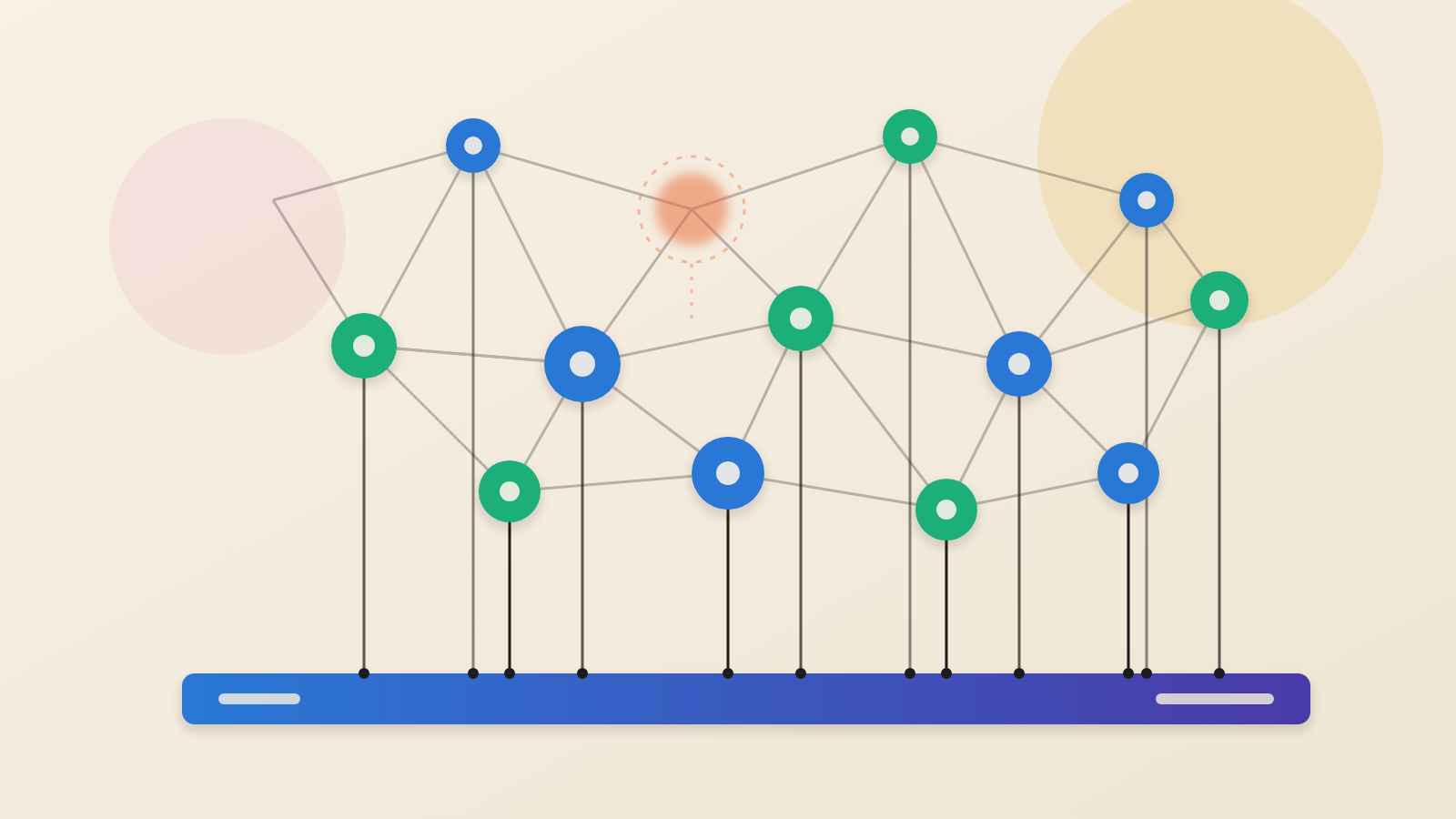
A Next.js 16 application with a typical enterprise configuration pulls in 800-1,200 npm packages. Each package is a trust decision. Each dependency's maintainer has publish access to code that runs in production. The TanStack incident demonstrated that even well-maintained, widely-used libraries are targets precisely because of their reach. The npm dependency tree is the single largest attack surface in modern web development, and Next.js sits at the top of that tree.
Speed vs. Security: The Tradeoff Executives Miss
Next.js 16 is objectively the fastest React framework ever shipped. Turbopack, React Compiler, Server Components, and streaming SSR combine to produce applications that load faster and respond quicker than anything the React ecosystem has delivered before. For teams already invested in React, the upgrade is straightforward and the performance gains are immediate.
But performance optimization and supply chain security operate on different timescales. Turbopack makes builds faster today. A compromised dependency in node_modules creates liability that surfaces months later. The executive who approves a Next.js migration sees the Lighthouse score improvement in the first sprint review. The supply chain compromise appears in the incident response report six months later.
Frameworks with smaller dependency trees — Hugo with zero npm dependencies, Astro with a fraction of React's supply chain, Django and Rails with curated package ecosystems — accept slower feature velocity in exchange for a dramatically smaller attack surface. Next.js 16 is a technical achievement. The question for decision-makers is whether the fastest framework is the safest one.
The WebPulse Assessment
WebPulse scores Next.js competitively on performance, ecosystem, and AI readiness. Its supply chain score reflects the structural reality of the npm ecosystem. Next.js 16 widens the performance gap with competitors while leaving the supply chain gap unchanged. For organizations where speed-to-market is the primary constraint, Next.js 16 is the right choice. For organizations where regulatory compliance, supply chain auditability, or zero-trust security posture are primary constraints, the dependency tree remains the conversation that Turbopack benchmarks cannot end.
Produced by the WebPulse Newsroom with AI assistance and checked against our data by our editorial review. How we use AI.