- Rest of World reports that over 90% of Europe-Asia data capacity runs under the Red Sea, and Google reportedly paid a premium for a route that avoids it.
- Capacity on several cables is weak insurance if they share one narrow strait, because repair ships need permission and safety guarantees to work there.
- Ask your cloud provider which physical paths your traffic can take, and test a failover that avoids the shared chokepoint.
Redundancy is a count of independent paths, not a count of cables. That distinction matters to any company whose traffic or failover runs between Europe and Asia, or through the Gulf.
What happened
Rest of World reports that U.S. cloud companies face steep prices for backup internet routes that avoid the Red Sea. Fighting continues near Bab al-Mandab, the narrow gate where the cables enter the sea.
The outlet says the Houthis seized Yemen's side of the strait in September. On October 5, Saudi-backed government forces said they had regained territory near the strait, including near the port of Mocha. The Houthis rejected that account.
Why extra cables may not help
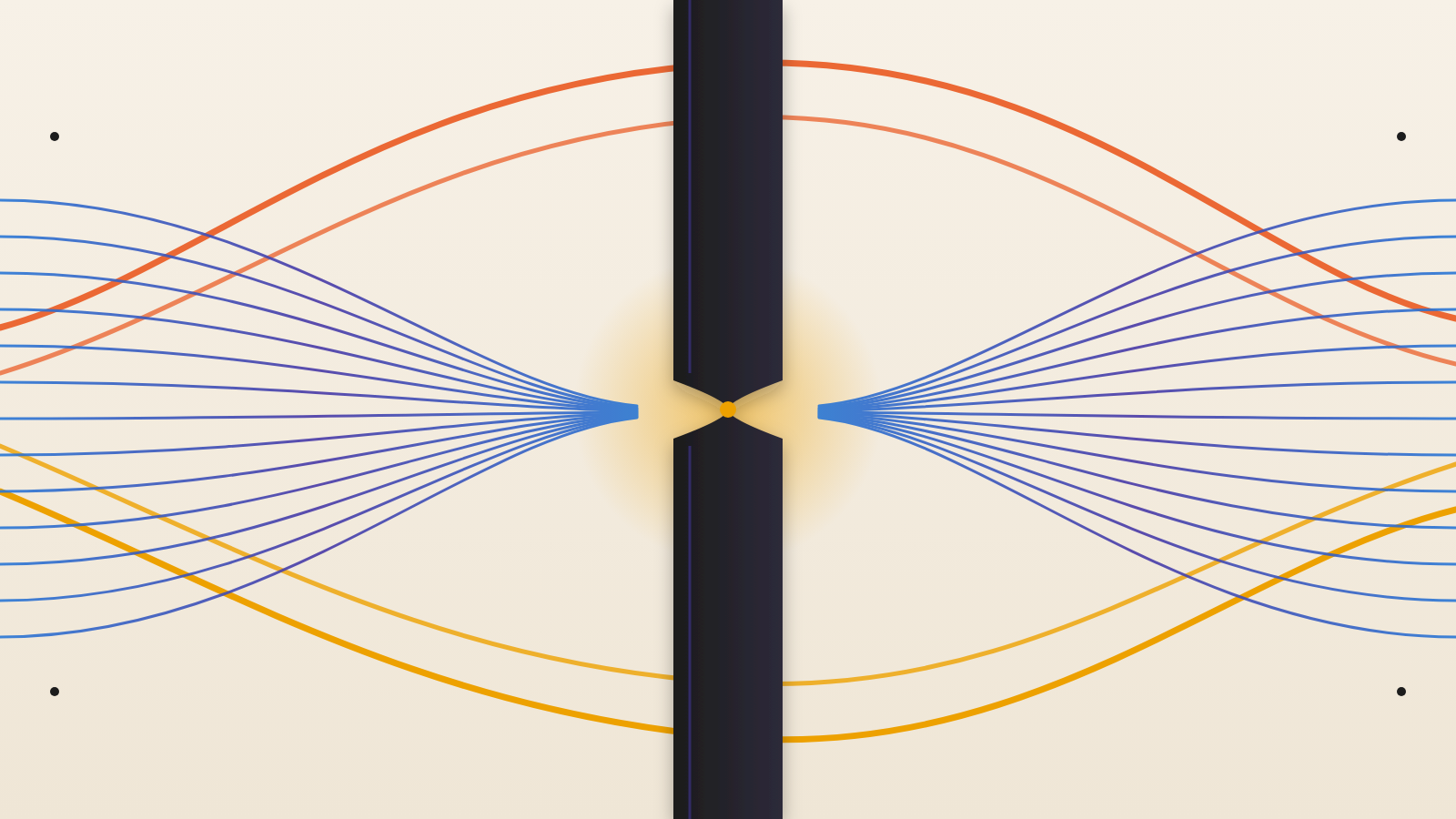
Bab al-Mandab is under 32 kilometers (20 miles) wide. Yemen sits on one shore, while Djibouti and Eritrea face it from Africa. Industry experts told Rest of World that almost every sea cable between the two continents squeezes through it.
Paul Brodsky of TeleGeography, a U.S. research firm, explained the trap. A company can hold capacity on many cables. But if all of them cross the same tight stretch of water, the route's "resilience isn't looking so resilient."
The weak point is repair, not the cable. A cut cable needs a repair ship, and the crew needs permission and safety guarantees to work. Doug Madory of Infoblox said a repair can take one to two weeks when a ship is available. In the last cuts in these waters, he said, ships waited for assurances they would not be fired upon, and repairs took months.
Those cuts came in 2024, when three Red Sea cables were damaged. Rest of World says the likely culprit was the anchor of a cargo ship left adrift after a Houthi missile strike. Brodsky said crews waited a long time for permits.
What providers are doing about it
The reports differ in kind, so they are best read separately. First, the reported moves of Google and Meta. Second, a Microsoft plan that is not about the Red Sea.
A person familiar with the deal told Rest of World that Google bought two fiber strands along Turkish state pipelines in September. Newer lines across Turkey are expected to cost about 6 million euros ($7 million). Google's price was double to triple that. The person asked not to be named because the terms are private.
In this market, a buyer typically pays one lump sum for 15 or more years of use. A separate maintenance charge is due each year, Rest of World says.
The same person said almost all major cloud companies are looking for alternatives. The person also said Google and Meta have begun carrying some live traffic on an overland path through Iraq, which had been kept as a spare. Rest of World says neither company replied to its requests for comment before publication.
Microsoft's separate plan
Microsoft released a regional framework on September 23, aimed first at four Gulf states: Kuwait, Qatar, Saudi Arabia and the United Arab Emirates. Its post does not mention the Red Sea, Bab al-Mandab or the Houthi fighting. It is a general commitment to Gulf-region connectivity.
One part sets aside more than $400 million for undersea and land links across the Middle East through 2030. The post calls redundancy "the foundation of continuity" and says varied routes let traffic move around disruptions. Rest of World mentions the plan beside the Red Sea story. Microsoft does not tie it to that crisis.
Microsoft also says that during past network disruptions it rerouted traffic through Middle East corridors with minimal impact on customers. That is the company's own account. The post sits within a wider plan of more than $10 billion in regional cloud and AI spending.
Who carries the risk
Rest of World cites TeleGeography for a striking figure. Google, Meta, Microsoft and Amazon together use roughly three-quarters of the world's international internet bandwidth. Their routing choices shape the resilience of everyone who runs on them.
The same report shows how physical events reach users. In March, Iranian drones struck Amazon data centers in the UAE and Bahrain. Bank and payment apps in the region then stopped working, and Snowflake reported service disruptions. That was a data center strike, not a cable cut. It shows how quickly physical damage reaches ordinary customers.
The sources do not say Europe-Asia traffic is disrupted now. They describe a risk that providers are paying to reduce. The lesson here is that resilience you cannot trace to a physical path is a promise, not a fact.
What leaders should ask
Put these questions to your cloud provider and network carriers.
First, which physical routes can our traffic take between regions, and do any of them share the Red Sea? A multi-region design can still sit on one strait.
Second, has the failover been tested with the shared route removed? A plan on paper is not a recovery.
Third, what do our contracts say about repair times when a provider's routes are cut in contested waters? Weeks and months are different problems.
Fourth, who pays when a payment or banking function depends on one region? Customers feel the outage first.
A second cable only helps if it takes a different road.
Produced by the WebPulse Newsroom with AI assistance from the original reporting credited below, and checked against that source by our editorial review. How we use AI.
Original reporting: Microsoft.