- Uber's Uday Kiran Medisetty said AI coding raised pull request volume and doubled or more than doubled its CI jobs, forcing work on the build system.
- Uber lets agents run checks before a pull request, and a human still reviews every one. A host linked AI gains to strong developer platforms.
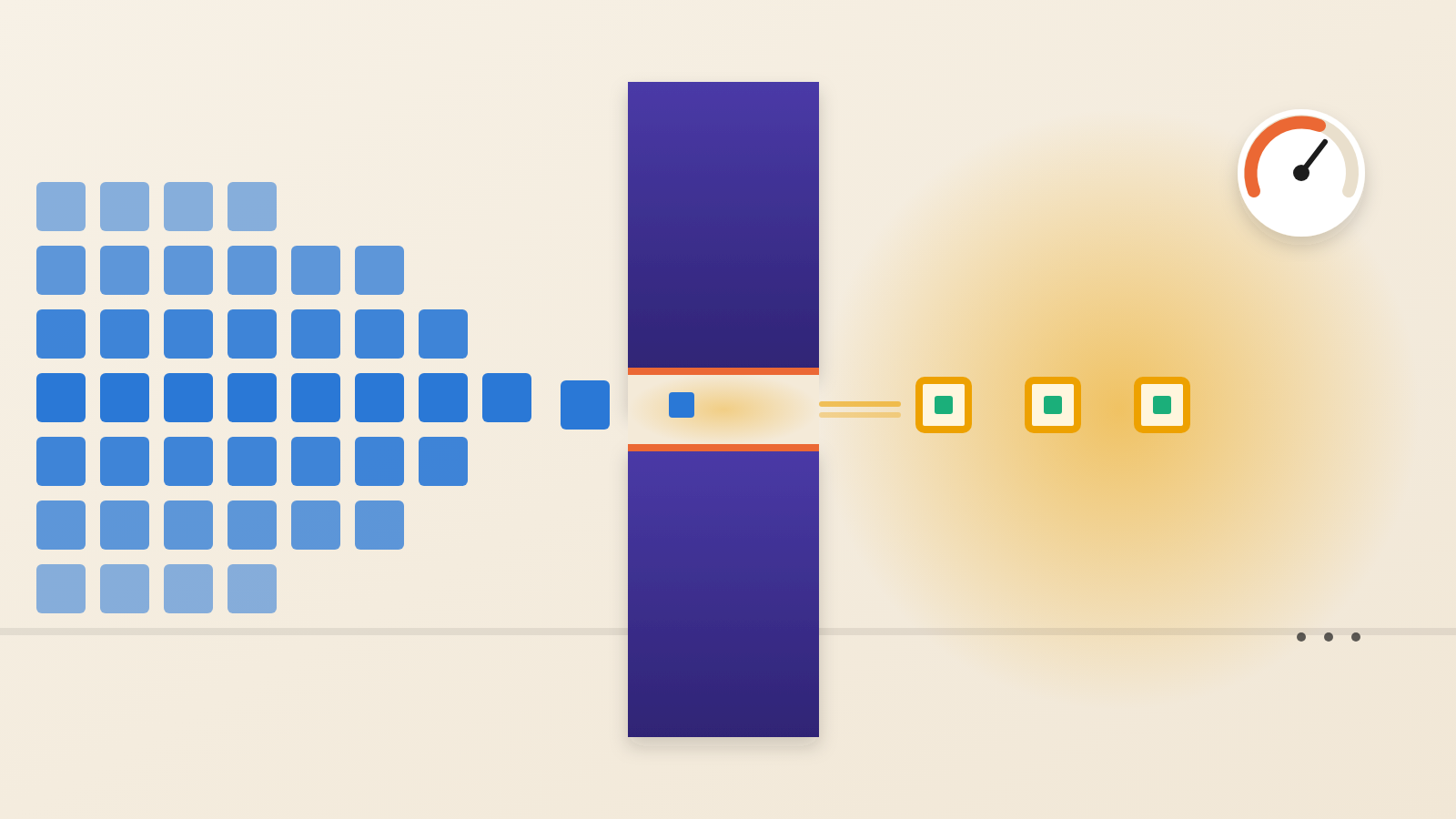
More AI-written code does not just speed up coding. It loads every stage after it. Uday Kiran Medisetty, a Distinguished Engineer who leads much of Uber's agentic AI work, made this case on The Pragmatic Engineer. More code means more pull requests (proposed code changes), more automated test runs and more review. Agents add to that load unless the code they build on can be checked.
What was said
Medisetty said Uber's pull request volume has climbed year over year. Review, he said, is a bottleneck there, as at any company. The test system felt it too. He said the number of CI jobs, the automated builds and tests run on each change, doubled or more than doubled in a year. In his words, "we in fact had to like add internal code red for our ci system".
Uber's answer was to move simple checks earlier. One command now lets an agent run the linter, coverage rules and build rules before it opens a pull request. Uber also runs self-healing CI, which shows failing checks and can automate fixes. It is adding a risk score and blast radius, meaning how much a change could affect, to Code Inbox, its review dashboard. Medisetty showed a mock version of it. A speaker on the show noted that engineers cannot review every change with the old rigor. Uber still requires a human to review every pull request. Medisetty said it might one day auto-land some low-risk changes, a path Uber calls a green lane, but only once confidence is high.
He tied this to older tooling. Without Slate, Uber's tool for testing a branch end to end, he said agents would have struggled to check their own work.
Why it matters
Our reading: the cost of AI coding shows up downstream of the coding tool. Leaders who buy agents should ask what happens when output doubles. Can CI absorb it? Can reviewers tell risky changes from safe ones? Can an agent test its own work before a person sees it?
The host closed with a similar view. Companies getting the most from AI, he said, seem to be those that already had developer platform teams. Uber built its cloud development environments in 2017, and its agents now reuse that base.
The other side
This is one company's account. Uber spent more than ten years on developer productivity, and the host qualified his own conclusion with "at least in the case of Uber". The conversation did not say what smaller teams without such a platform should do.
Medisetty also raised a limit on the gains. He said more pull requests do not necessarily add value if they are not feature work. Uber's risk scoring is still being built, and human review of every change remains the rule.
Written by the WebPulse Newsroom with AI assistance, and checked by our editorial review: every quotation was verified against the recording's transcript. How we use AI.
The conversation this talking point comes from
- The Pragmatic Engineer: Uber’s AI infra, from the inside (2026-10-14)