- Anthropic's CJ Avilla and Harrison Stall said one agent fails early, while teams of agents that users build themselves bring restart, tracking and inspection problems.
- In our reading, most safeguards they listed sit around the model, though Anthropic also relies on Claude to spot misbehaving sub-agents.
Adding AI agents to a job does not make it more reliable by itself. CJ Avilla and Harrison Stall, two Anthropic engineers, said one agent fails early. Teams that users build by hand bring new failures. They spoke on the AI Engineer show, in an episode published 16 October 2026.
What was said
They began with the limits of one agent. Stall said a single agent "keels over much, much earlier with much less ambitious tasks." The show notes name three causes. These are laziness, self-preference bias (a model favouring its own work) and goal drift. One speaker said an agent asked if its own code is good will say yes. Another said a growing context, the text the agent holds in view, can make it lose track of its goal.
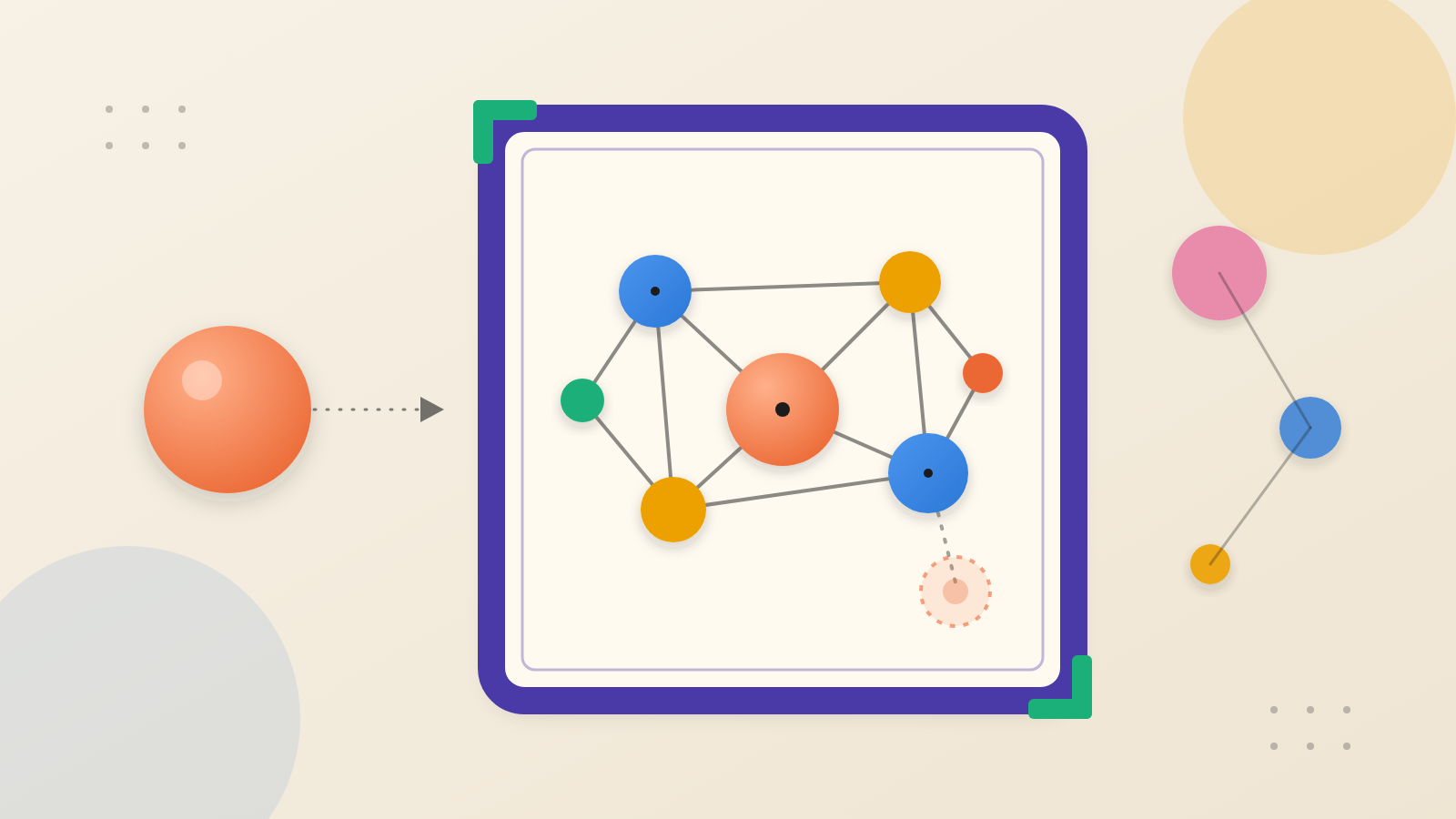
Teams of agents are their answer. But users who hand-roll their own setups meet other problems. Suppose one agent in 100 dies in its container, the sandbox it runs in, two hours into a job. How does the work resume? One coordinating agent may also track 60 others. Stall said, "Linus doesn't scale like that." Then there is the graph, the web of agents. How do you inspect it without questioning every node?
Claude Managed Agents is an API where Anthropic manages the agent lifecycle. It is meant to remove that plumbing. Sessions have a durable event log, can carry token budgets and can be interrupted. A speaker also described containers holding only fake secrets. Another layer is a firewall that stops outbound traffic.
Why it matters
Our reading: the number of agents is the wrong thing to ask a vendor about. Ask what happens when one agent dies. Ask who can see the state of the whole group. Ask what caps the spend. The safeguards listed, such as logs, budgets, fake secrets and firewalls, mostly sit around the model, not in it. So a managed platform earns its keep by helping a job survive failures.
Human approval is no safe fallback. A speaker said people click approve 97% of the time, so the check wears thin.
The other side
This is a vendor's account. Avilla and Stall work at Anthropic. Their own pitch was capability: a speaker called flows a way to aim extra compute at hard problems. The model also guards itself. Asked about runaway loops, a speaker said "yes, sort of." The speaker added that Claude is good at spotting misbehaving sub-agents, based on Anthropic's own evaluations. Asked how coordination costs grow with each added agent, a speaker had no good number and called the research new. Flows also do not suit work one agent finishes in 30 seconds.
Written by the WebPulse Newsroom with AI assistance, and checked by our editorial review: every quotation was verified against the recording's transcript. How we use AI.
The conversation this talking point comes from
- AI Engineer: Why One AI Agent Isn’t Enough (And How to Run 1,000) - CJ Avilla & Harrison Stall, Anthropic (2026-10-16)