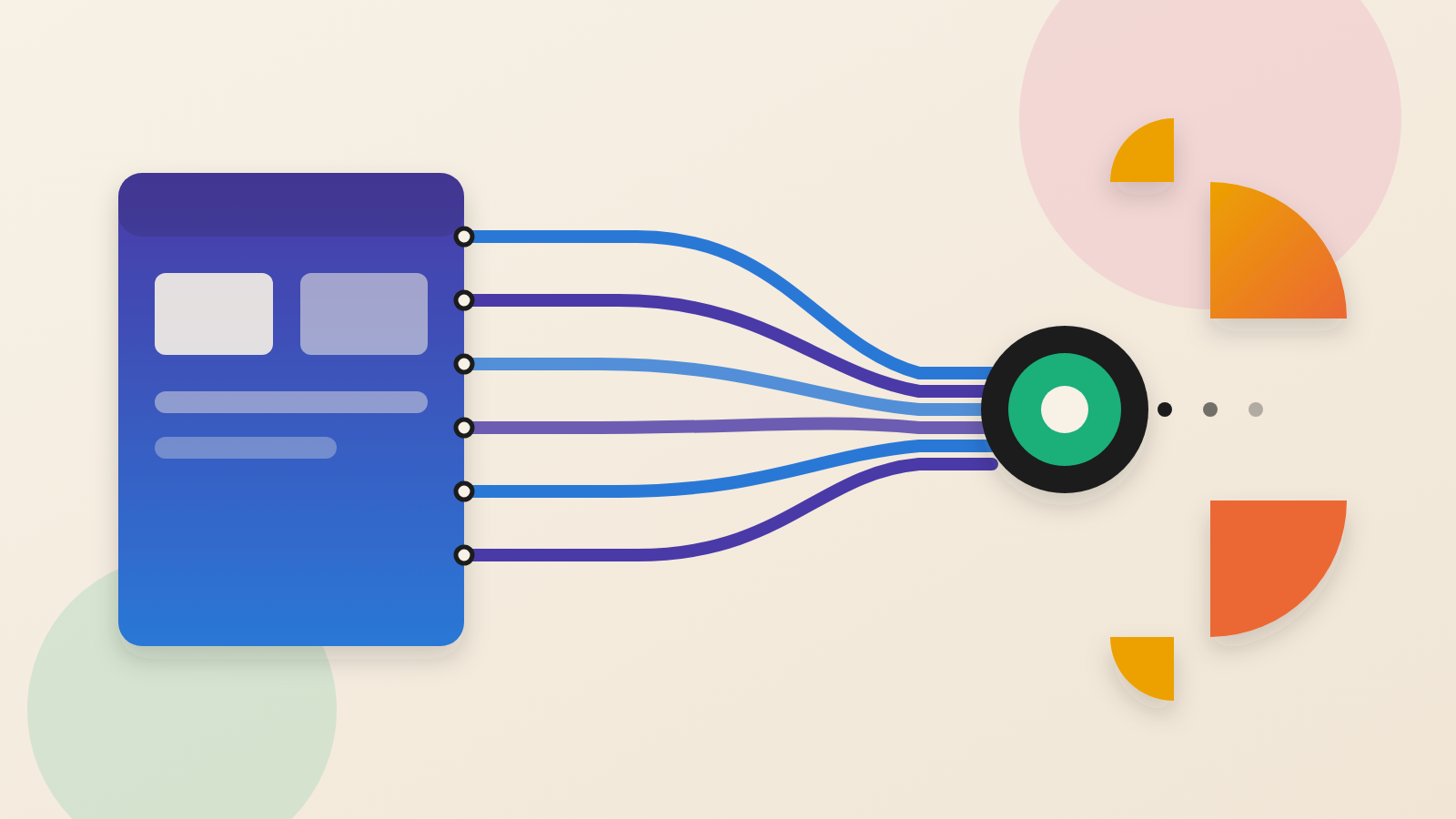
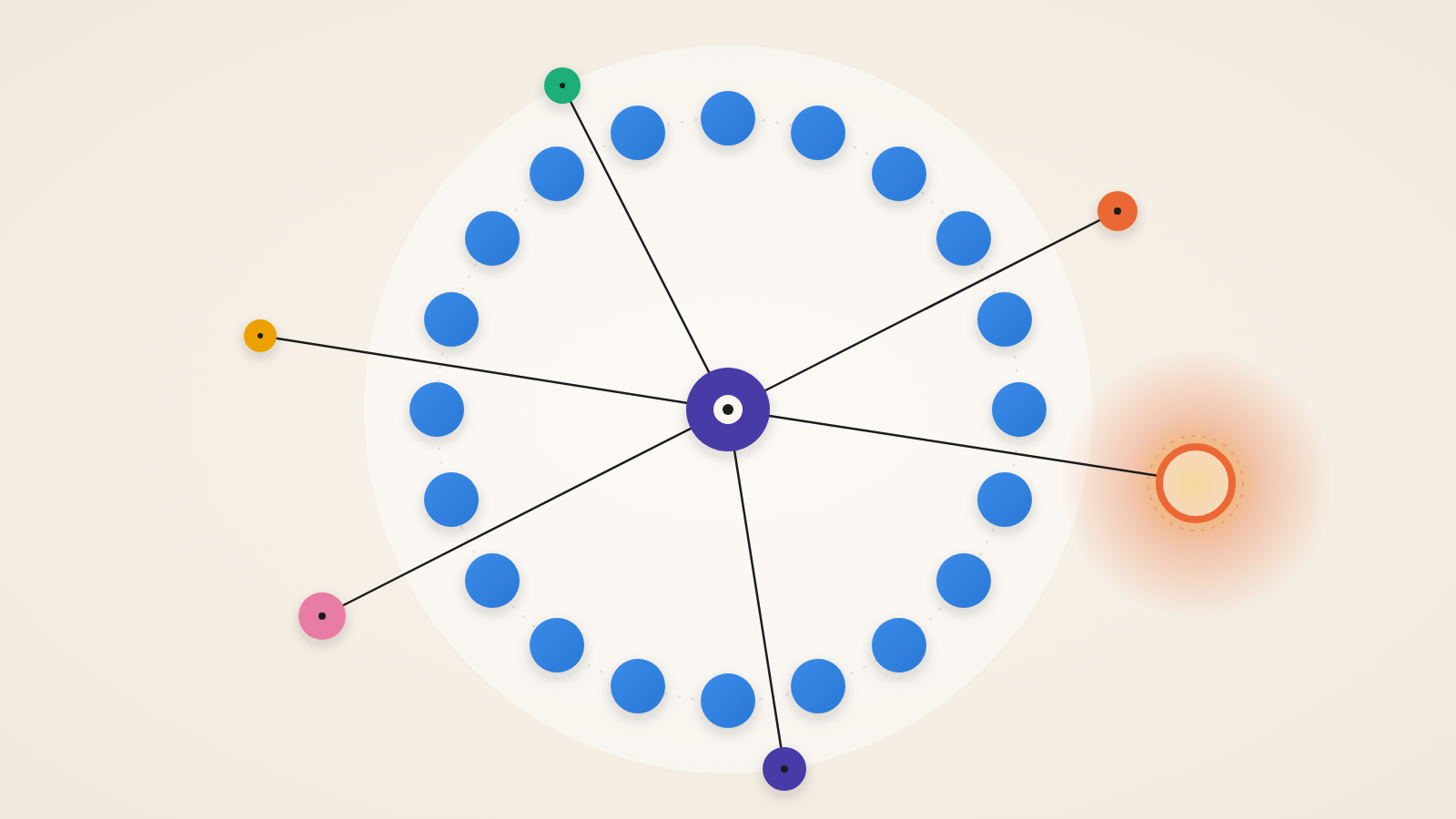
- When an AI agent shops, a merchant may only need to build a small app or stand up a few endpoints, not a checkout page.
- Settlement and refunds stay the same for the merchant, but in ChatGPT the payment step runs on ChatGPT's own screen, not the merchant's.
When an AI agent does the shopping, the merchant's website may no longer be where the sale happens. Sam Parsons, a senior staff engineer at PayPal Enterprise Payments (formerly Braintree), made this point on the AI Engineer podcast. He described how a store can shrink to a small app, or to a set of endpoints. An endpoint is an address that software calls to get something done.
What was said
Parsons walked through three ways merchants can accept payments that an agent starts.
The first is Instant Checkout in ChatGPT, built on the Agentic Commerce Protocol. The merchant builds an MCP app. He described it as an MCP server with HTML and JavaScript embedded, so different agents can display it. ChatGPT shows it as an app, and Claude shows it as a connector.
The merchant's app controls the browsing screen, such as hotel results, which Parsons said is not a ChatGPT UI. At checkout, ChatGPT's own Instant Checkout experience takes over.
The card is swapped for a token, a stand-in for the real number. The merchant then receives a token that Parsons said looks like the ones it already processes.
The second path is Google AI Mode, built on the Universal Commerce Protocol. Here the merchant lists products and publishes endpoints for completing payment. A well-known JSON file tells Google Pay to process the payment through PayPal. Parsons said "there is no UI that you have to build."
The third path is an MCP app that hands the buyer to an external checkout page. The merchant keeps full control.
Why it matters
Our reading: for the first two paths, the merchant's work shifts from designing a checkout page to building a browsing app or publishing endpoints. In the Google path, there is no merchant screen to build.
Parsons said settlement, refunds, chargebacks and compliance stay the same for the merchant. So the back office does not move. The front door does.
For buyers and runners of commerce software, that suggests a new question. Beyond how the site looks to a person, what does an agent find when it asks to buy?
The other side
Parsons was open about the trade-offs. Handing the buyer to an external page gives control, but he said "there is a little bit more friction that's introduced in this mode, because you're not doing the actual checkout inside of your agent." One feature that would smooth that handoff, called elicitation, is not yet supported in most major agents.
He works for a company that sells this integration, so the talk is a vendor's view. The excerpts also say nothing about how many shoppers buy this way, or what merchants give up when the sale happens on someone else's screen.
Written by the WebPulse Newsroom with AI assistance, and checked by our editorial review: every quotation was verified against the recording's transcript. How we use AI.
The conversation this talking point comes from
- AI Engineer: How AI Agents Pay: Checkout in ChatGPT and Google AI Mode — Sam Parsons, PayPal (2026-10-06)