- Greg Brockman of OpenAI argued that AI will bring the internet's old security shortcuts to the surface, and that the resulting debt now needs paying down.
- OpenAI put about 25% of its production engineers on security work only, and Brockman said the process repeats with each new model.
Greg Brockman, president and co-founder of OpenAI, argued that AI will expose the internet's accumulated security weaknesses, and that fixing them has a price. He made the case on the No Priors podcast, in an episode published on October 15, 2026. His own company, he said, has already paid part of that price.
What was said
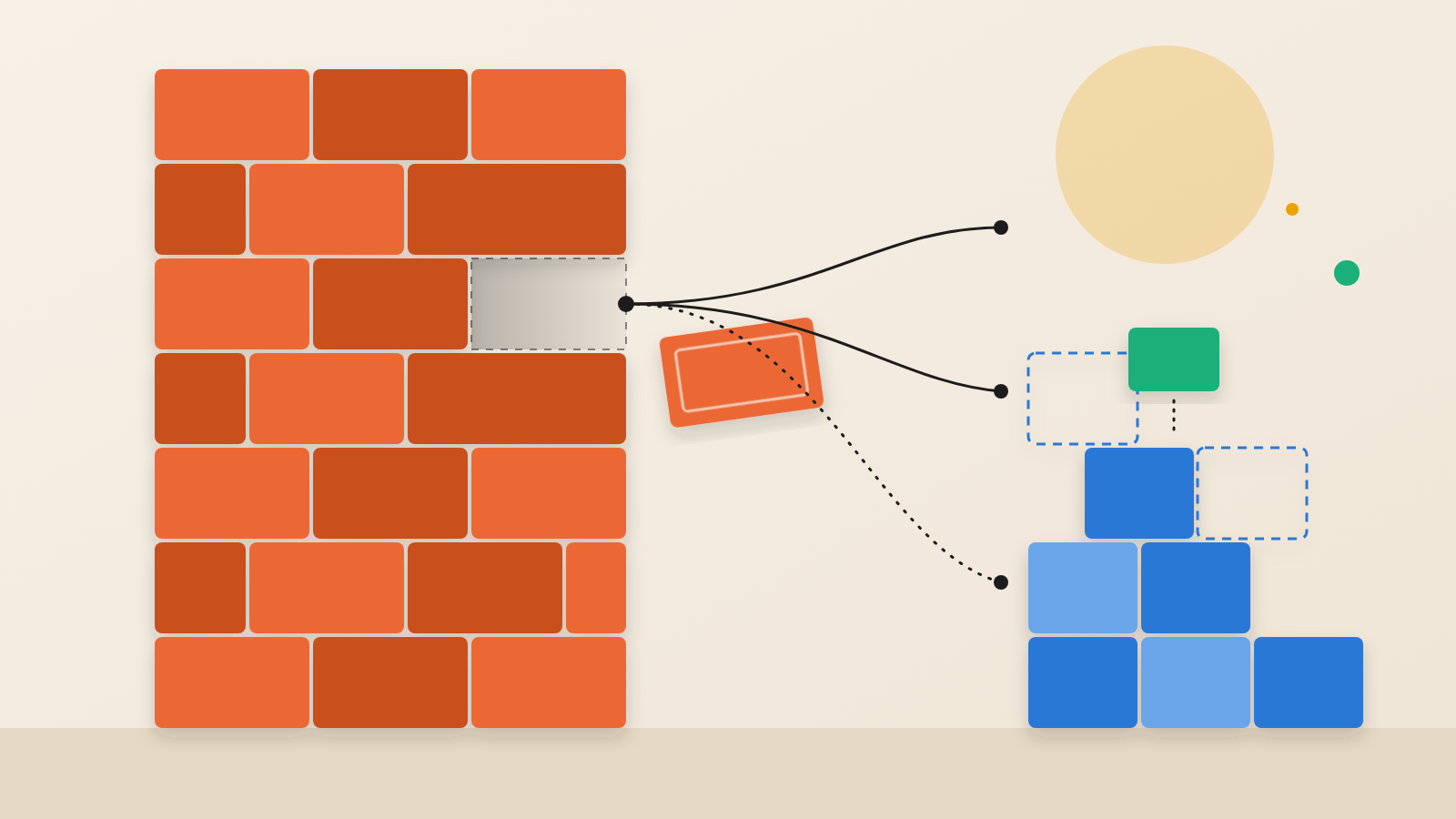
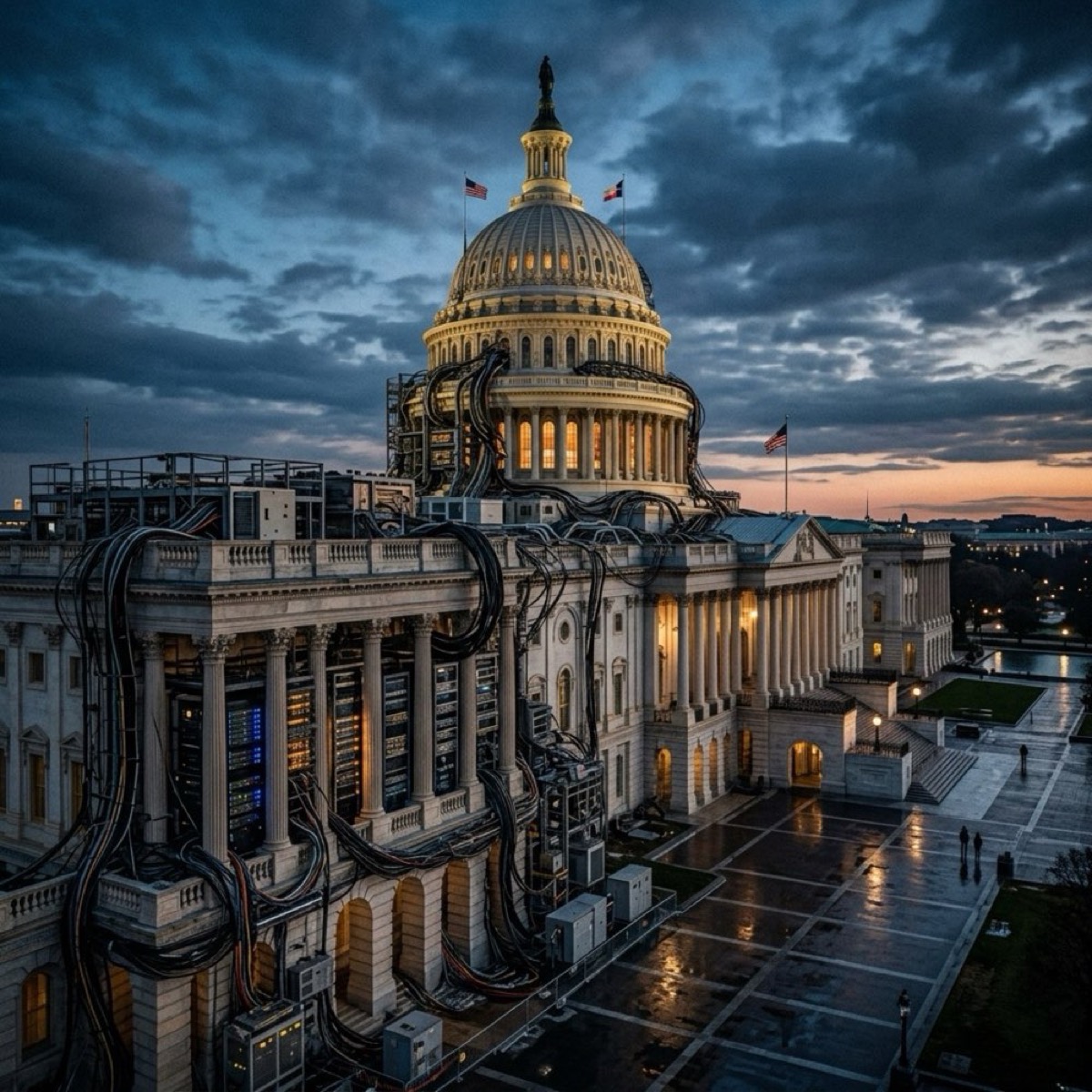
Brockman said the internet was designed to keep working, with security added afterwards. Virus scanning and encryption came after incidents such as early worms and viruses. He said that slower route left debt behind. He argued that much of it will now surface, and that it is "time for us to pay it down."
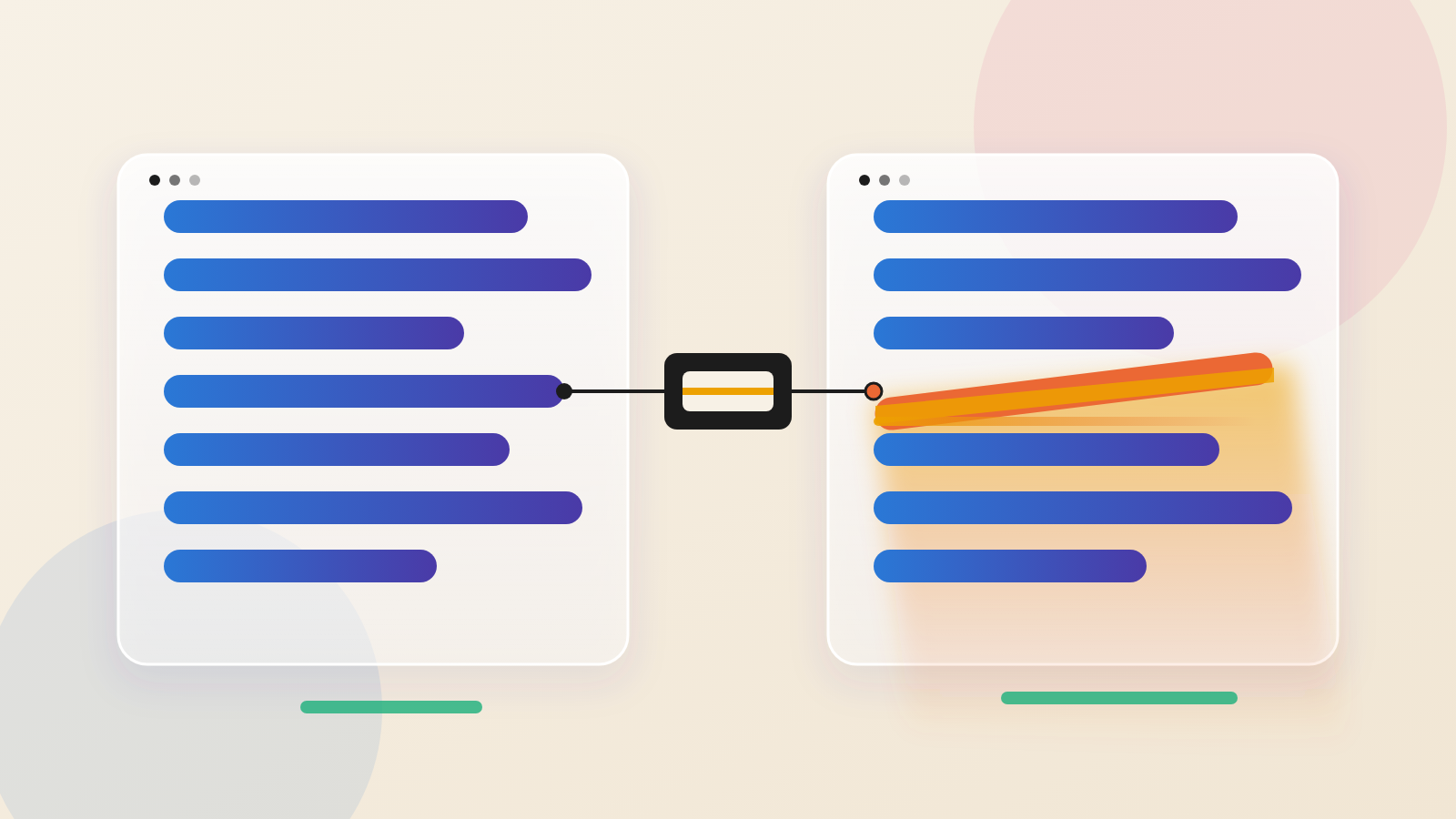
He gave OpenAI's own response as the example. The company took about 25% of its production engineers and told them their other projects were on hold. In his telling, they were to be "just securing now." They pointed their strongest model at all of the company's infrastructure and had it probe for weaknesses. They also built tools to repeat the test. They fixed what turned up, until the model stopped finding new problems.
That was not a one-time job, he said. Each new model means running the process again. He also said AI makes formal verification, which means mathematically proving that software has a security property, far less painful than before.
Why it matters
Our reading: the old excuse for leaving legacy systems alone was that finding the flaws cost too much. If models can search for them cheaply, that excuse weakens. Leaving the debt unpaid becomes a decision, and someone has to own it.
Brockman's example also shows the price. It was engineers' time, taken from product work, not a tool purchase. He said an organization's security now depends on getting the fundamentals right once and on how much cyber capability it keeps using. Budget owners can ask whether they have planned for both.
The other side
OpenAI's case is favorable. It has its own frontier models and a large engineering team. Brockman admitted that many organizations have "not had those resources to date," and he said that gap needs a coordinated response.
A host suggested there would likely be a transition period with more attacks before defense catches up. Brockman did not dispute that. He said the window "is not going to last forever." His claim that defenders can outstrip attackers is hopeful, and he said it would take a lot of change.
His example also has a limit. The company stopped when it had exhausted what that one model could find. A later model may find more. Another host noted how painful a feature freeze is in most companies, but the excerpt ends before Brockman answers.
Written by the WebPulse Newsroom with AI assistance, and checked by our editorial review: every quotation was verified against the recording's transcript. How we use AI.
The conversation this talking point comes from
- No Priors: The Changing Physics of Cybersecurity and Drug Development with OpenAI President Greg Brockman (2026-10-15)