- GitHub made agentic autofix generally available on October 15. Copilot fixes code scanning alerts, reruns CodeQL, and opens a draft pull request for review.
- It is opt-in. It needs enterprise and organization approval and a billing method, and when enabled it uses AI Credits and Actions minutes.
- Set a budget, plan reviewer capacity, and track merge and rework rates before enabling it widely.
Fixing alerts with GitHub's agent is now metered spend
Many security teams know the feeling. A scanner finds problems faster than people can fix them. The list grows, and nobody is quite sure who owns it.
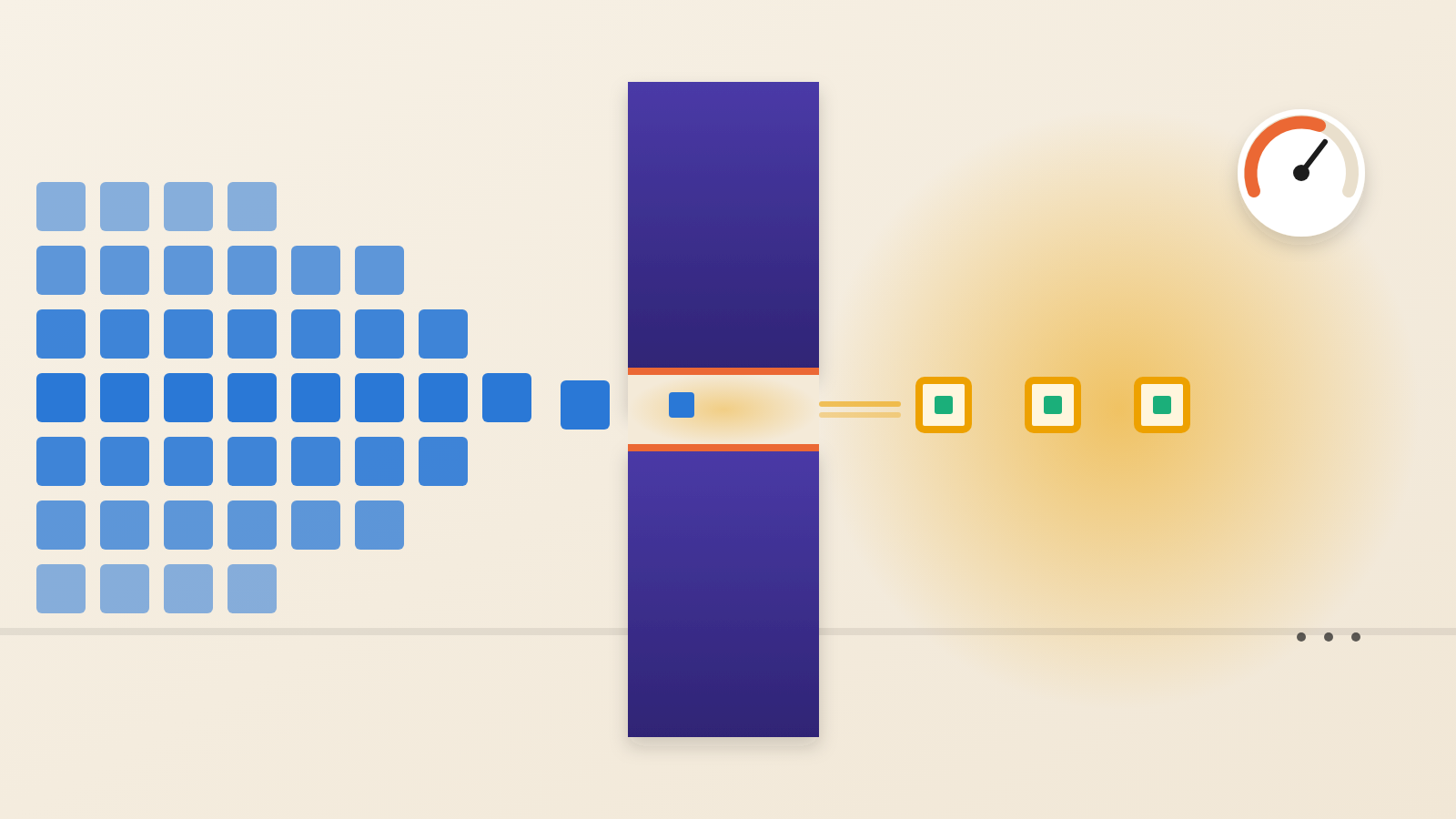
GitHub has now made one answer generally available. Its agentic autofix lets an AI agent work through code scanning alerts. The thesis here is simple. When a machine writes the fix, the scarce resource is no longer the engineer's hours. It is the reviewer's attention, plus a usage budget someone has to set.
What GitHub released
GitHub announced on October 15 that agentic autofix for code scanning alerts is generally available. Customers qualify if they subscribe to GitHub Code Security or GitHub Advanced Security and run GitHub Enterprise Cloud. The data-residency edition of Enterprise Cloud is included.
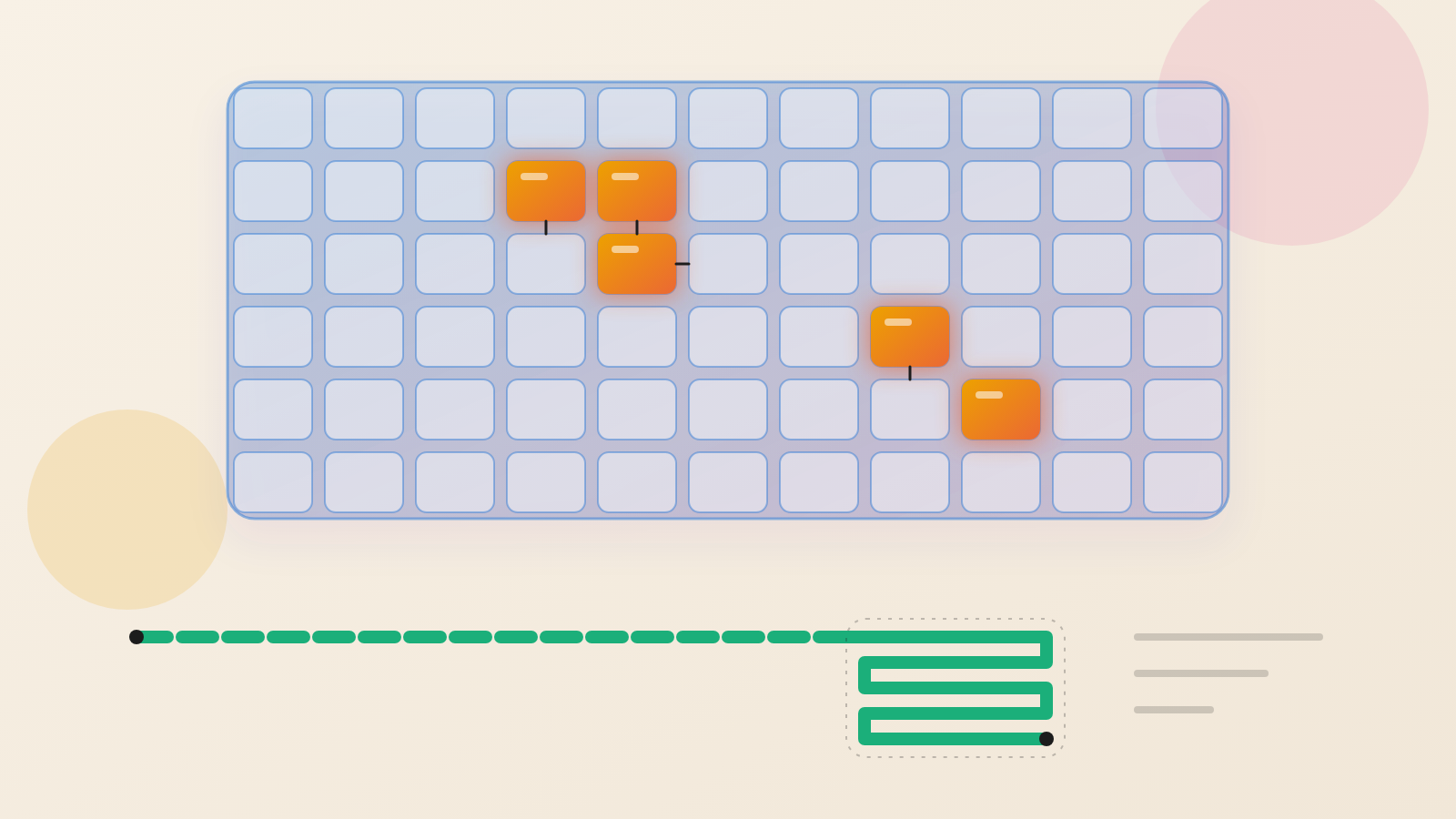
A code scanning alert is a finding from CodeQL, GitHub's code analysis tool. It flags a spot in the code that may be insecure. Alerts already came with a free Generate Fix option. Agentic autofix goes further. It sends an agent through the codebase, reruns CodeQL, iterates and opens a draft pull request. It is also billed differently.
How the fix loop works
GitHub says the agent works the way a developer would. It explores the relevant files across the codebase and proposes a fix. It then reruns CodeQL to check that the alert is closed. If the alert is still open, it iterates. When it is done, it opens a draft pull request for a person to review.
Each draft pull request explains what changed, why the alert should now close, and which checks Copilot ran to confirm it. A reviewer can ask for changes by commenting on the pull request or in the Agents tab of the repository.
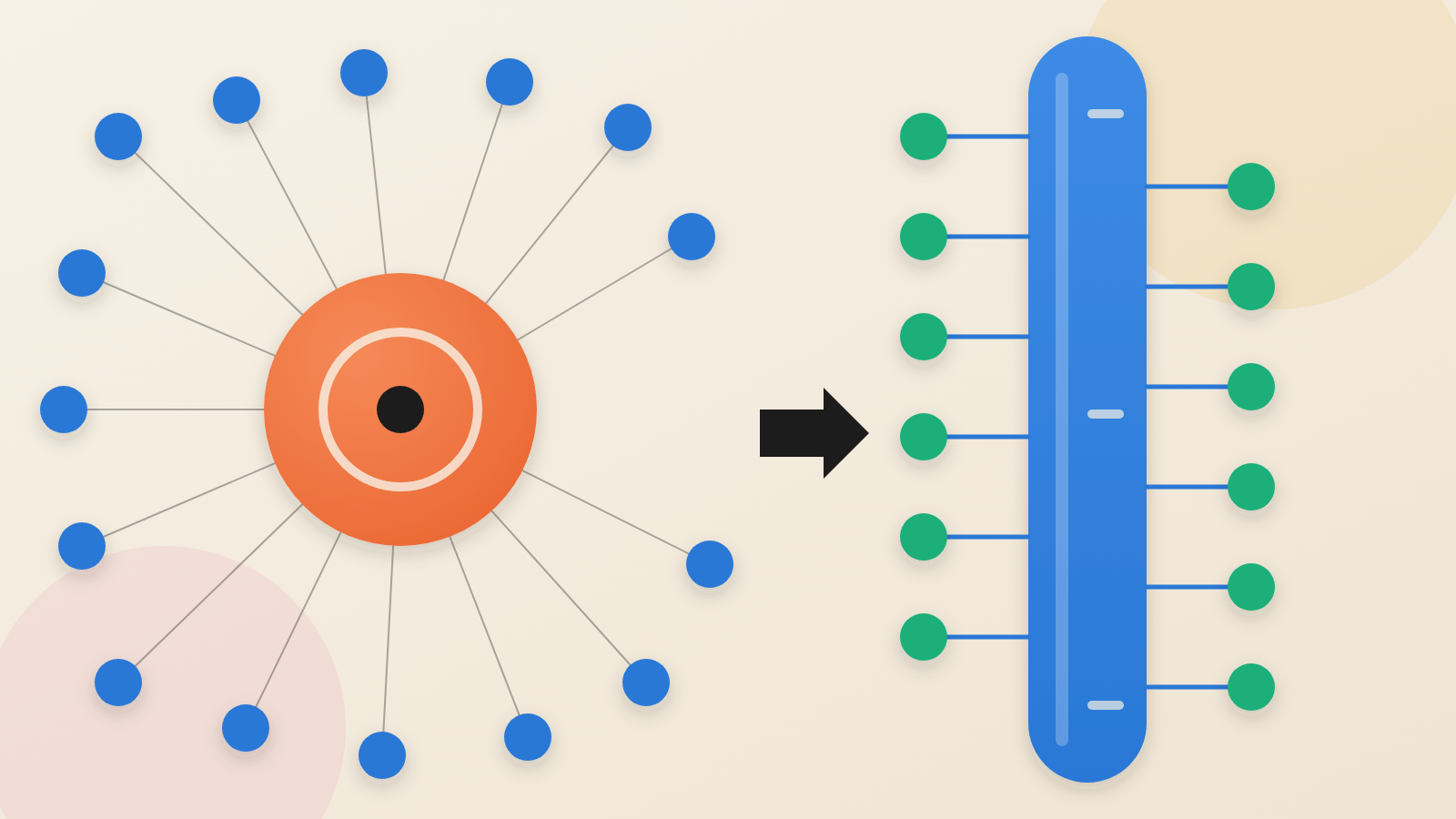
Teams can hand over work in three ways. They can assign a single alert, or select up to 25 alerts from a list or security campaign. Automation can also call GitHub's REST endpoint for updating a code scanning alert and name the Copilot agent's bot account as assignee.
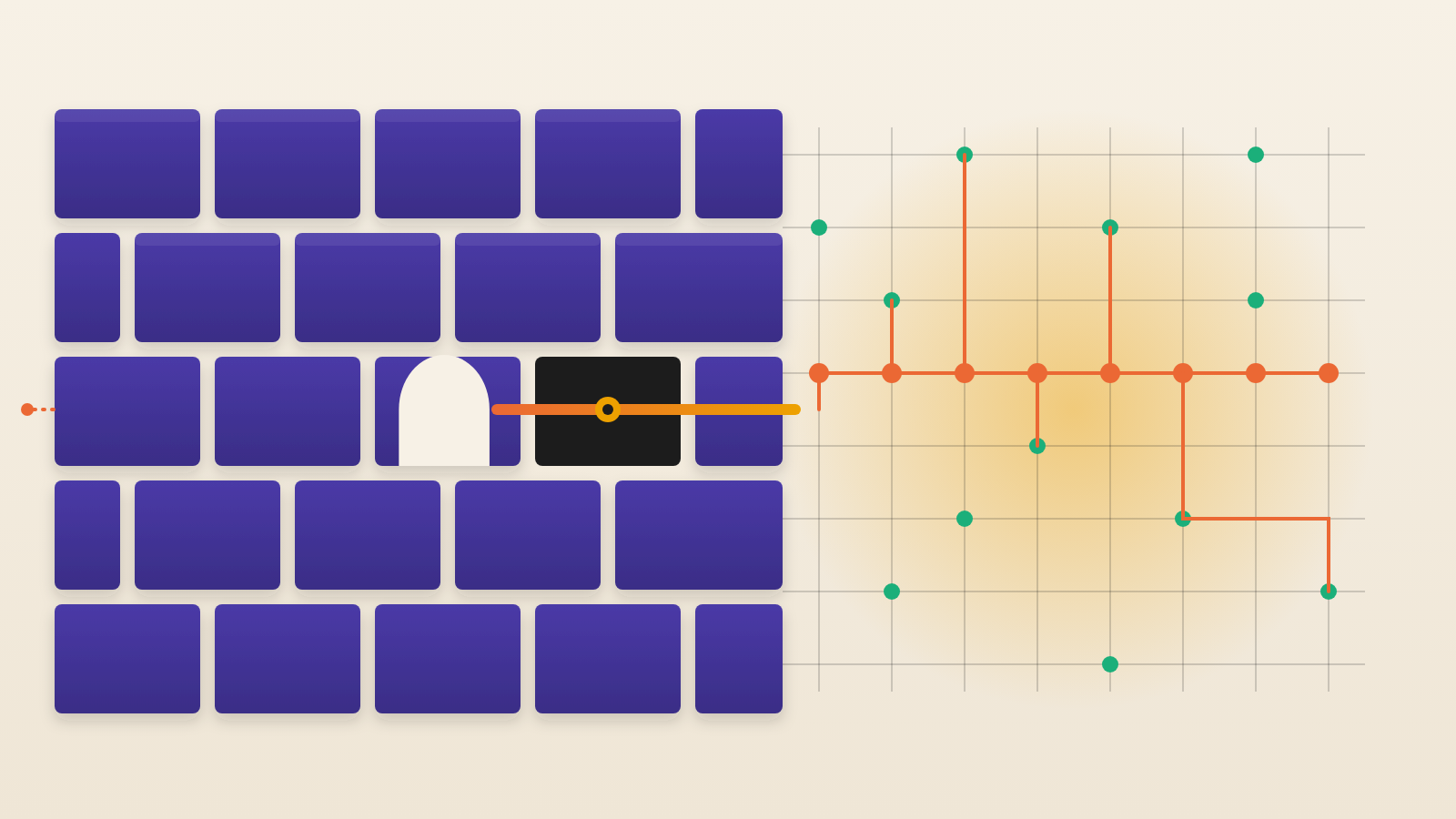
That last route matters. A scanner can raise an alert, and a script can pass it to an agent. A person may first appear only at the review step. This is our analysis: the software supply chain is becoming a handoff between machines, with people placed at the checkpoint.
Who must say yes, and who pays
Three things must be in place before a team can use it. An enterprise administrator must switch on a new "Agentic autofix" policy in Advanced Security policies. An organization or repository administrator must then turn it on in Code Security settings. And a Copilot billing method must be defined.
The cost model is the part executives should read closely. GitHub says agentic autofix consumes AI Credits from the Code Security budget, plus GitHub Actions minutes. Usage appears in enterprise billing under "AI usage", listed as the "Advanced Security" product. Administrators can set budgets by SKU for Code Security AI credits.
There is a quieter change too. Where the feature is enabled, individual alerts no longer show the free Generate Fix option. An Assign to Copilot button appears in its place. The metered path is the one the interface now offers.
What the announcement leaves open
The changelog sets a clear boundary. The agent only works on alerts on a repository's default branch. An alert that exists solely on a pull request or another branch is out of its reach.
It also gives no figures for how often fixes succeed, how long they take, or what a typical fix costs. Those numbers decide whether the budget is well spent. Teams will have to measure them in their own repositories.
One further point is our analysis, not GitHub's claim. The named check is a CodeQL rerun. That shows the flagged pattern is gone. It does not by itself show the application still behaves as intended. The changelog does not say what other tests the agent runs. Human review and the team's own test suite carry that weight.
Questions to put to your team
Ask who will review these pull requests, and how many a week they can read with care. A tool that produces fixes quickly can outpace a slow review process. Ask who owns the AI Credits budget, and whether SKU-level limits are set before the first use. Ask which repositories have tests strong enough to catch a fix that closes an alert but breaks a feature.
Then track results. Measure how many agent pull requests are merged unchanged, how many need rework, and what each cost. The lesson here is that automation does not remove the security backlog. It moves the bottleneck to judgment and to the budget. Decide where you want that bottleneck before the agent does.
Produced by the WebPulse Newsroom with AI assistance from the original reporting credited below, and checked against that source by our editorial review. How we use AI.
Original reporting: GitHub.