- Nvidia published Nemotron 3.5 Super VL, an open-weight model for agents that work continuously on text, images, documents and video.
- Nvidia's speed and cost claims are large but come from the vendor, and customers who tune the model take on testing and security duties.
- Leaders should ask for cost per finished task, who tests the tuned model, and what tools the agent may call.
An AI agent that works all night is not priced like a chatbot. A chatbot answers a question and stops. An agent reads a document, checks other sources, applies company policy and calls several tools, then starts the next job. The cost of that work grows with every hour it runs. Nvidia's newest model is built around that fact.
What Nvidia released
Nvidia has published Nemotron 3.5 Super VL, a model with open weights that reads text, images, documents and video. The company aims it at business agents that run without pause. "Open" means organizations can adapt and deploy its weights in local, data center or cloud environments. "Multimodal" means one model handles all of those inputs. Teams no longer need separate text and vision models and a way to pass context between them.
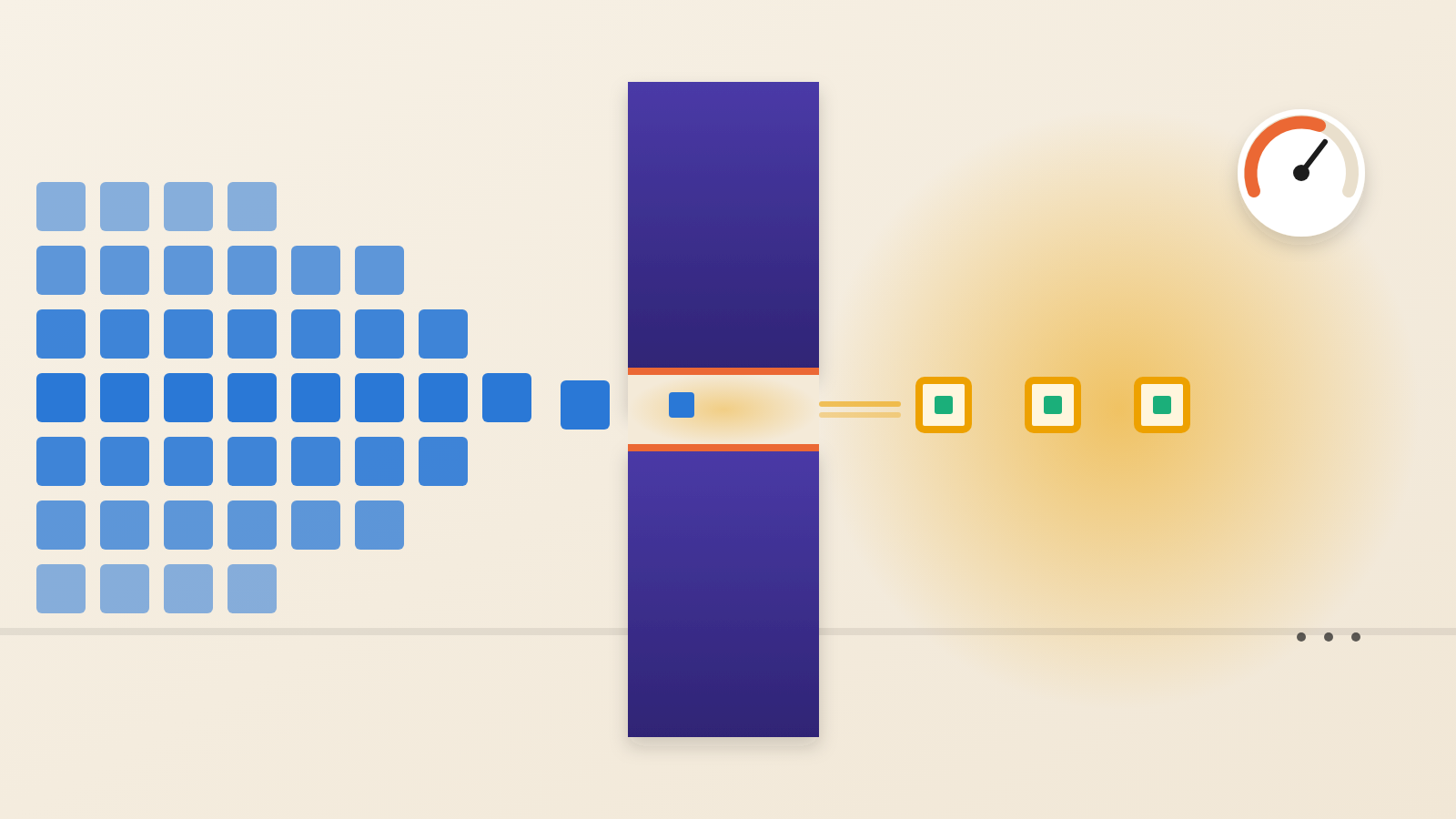
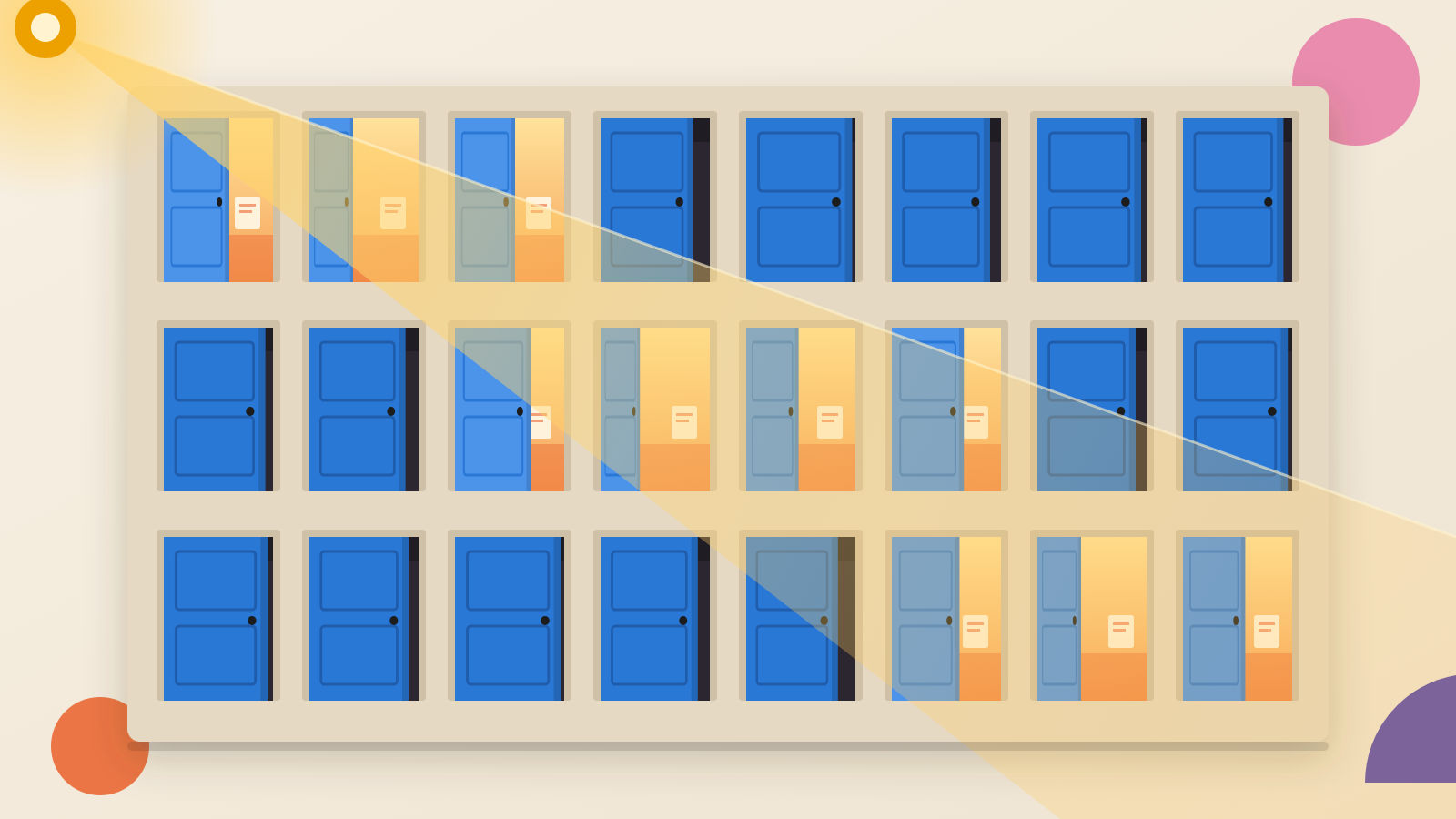
The model uses a mixture-of-experts design. It holds 120 billion parameters but activates only 12 billion for each token, the small chunk of text it processes at a time. Think of a large firm where only the relevant specialists attend each meeting. The model draws on a large model's capacity while doing the compute of a much smaller one for each token.
Why the running cost is the story
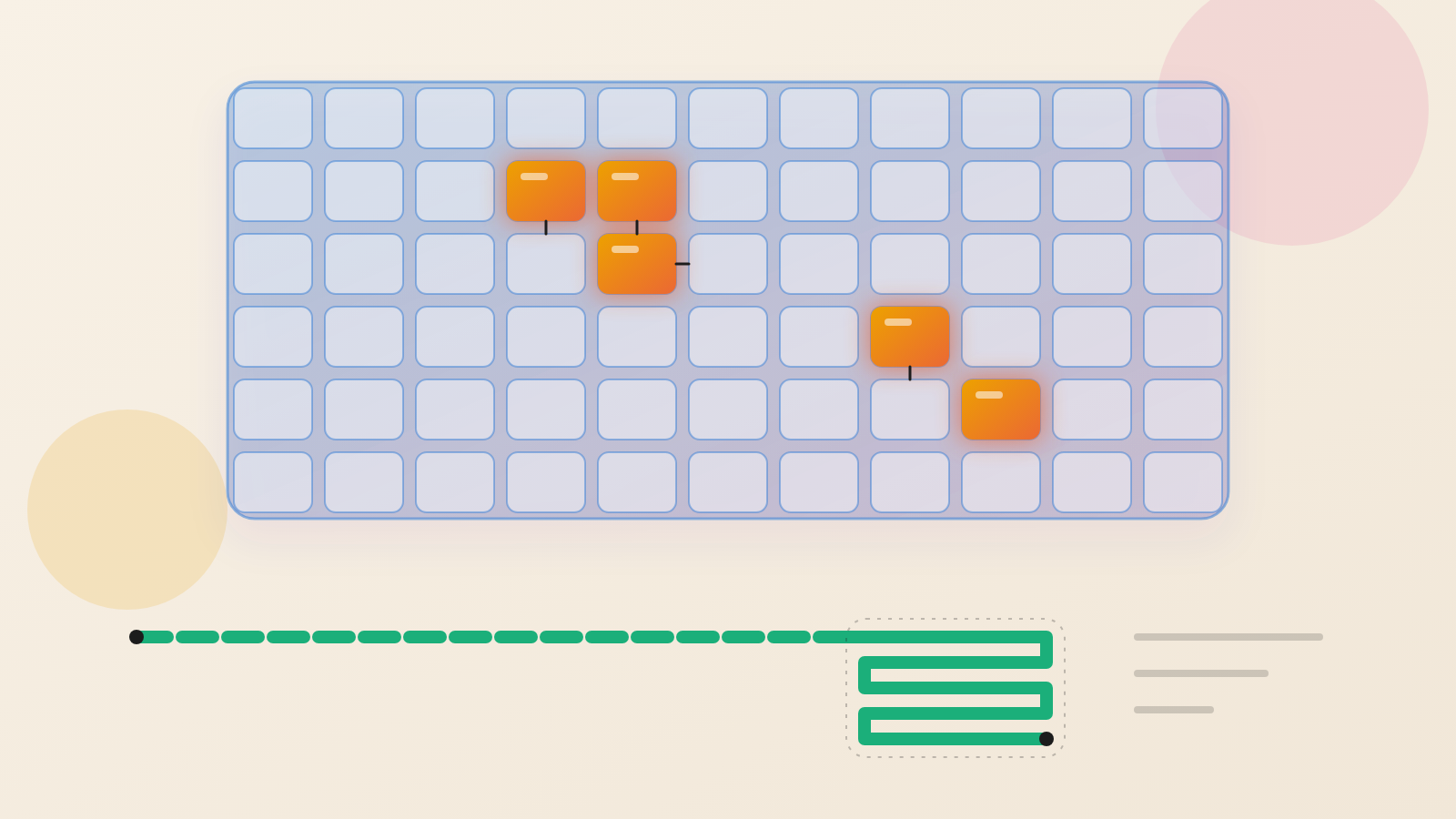
Nvidia says efficiency decides how much work a deployment can finish. Agents resend the same system instructions, tool definitions and conversation history with every call. The model's serving software reuses the computation for those repeated parts instead of redoing it.
A second tool, Nvidia's Dynamo software, handles routing. It keeps each user's session on the GPU that already stores that session's saved work, so nothing is recomputed. In Nvidia's test, 16 B200 GPUs gave each user 50 tokens per second. With this routing, the setup handled as many as eight times the users. The delay before the first token fell by 85%.
Other techniques stack on top. A built-in drafter proposes several tokens ahead, and the main model checks them in one pass. A 4-bit format called NVFP4 makes the model smaller. Nvidia then retrained the shrunken version so its answers track those of the full-precision original. That narrows the accuracy lost to compression.
These are Nvidia's figures, and most are "up to" numbers. The five-times throughput claim compares against other open models of similar size on a single GPU. One outside check exists. Nvidia says EXO Labs evaluated the model on a DGX Spark and placed it on the frontier for accuracy and task completion time.
What early users report
Nvidia names three examples. Scale AI post-trained the model for vendor credit processing at Skydance Corporation. Nvidia says inference cost for that work will fall 40 times and latency five times. Ramp is converting receipt images into structured data and expects up to 50% higher throughput and 10 times lower latency. AI21 and Alice tuned it for threat intelligence and vulnerability analysis and report 41% better accuracy.
Treat these as vendor-reported. Two are expectations, not measured results. The summary of these examples does not name what each was compared against.
The idea: a model you tune is a worker you answer for
Renting intelligence by the question is like calling a temp agency. Running an agent for days on your own servers is closer to hiring staff. You choose the training, set the rules and carry the responsibility.
That is the pitch. The Decoder says Nvidia is selling against closed frontier models on control. A company tunes the model on its own data and hosts it itself, with no outside provider's usage terms to follow. Its examples are an insurer screening claims for fraud and a finance firm scoring creditworthiness by its own criteria.
The trade has a second side. A model tuned with supervised fine-tuning, low-rank adaptation or reinforcement learning is no longer the model Nvidia tested. Someone inside the company must test it again. Someone must decide which tools the agent may call and who reviews its actions. Nvidia says its NIM packaging brings ongoing security, feature and performance updates, with enterprise support through NVIDIA AI Enterprise. Control moves to the customer, and so does the duty of care.
Questions for your team
First, ask for cost per finished task, not per token. Nvidia itself says tool calls and steps to a correct answer affect task completion time. Second, ask who re-tests the model after every round of tuning, and against which policies. Third, list every tool the agent can call and who approves new ones. Fourth, ask where the weights and training data live. Fifth, ask what evidence exists beyond the vendor's own benchmarks.
One pattern to watch: cheaper agents tend to be handed more work, so the workload, and the oversight it needs, can grow with the savings. The line worth remembering: when a model runs all night, the saving comes from the vendor's engineering, but the accountability stays with you.
Produced by the WebPulse Newsroom with AI assistance from the original reporting credited below, and checked against that source by our editorial review. How we use AI.
Original reporting: NVIDIA.