- Git lets every copy work offline. Anthropic said nearly all its clients were always-online agents, so that strength became a cost.
- Anthropic called Git right for most repos, and its savings come from one extreme workload. Theo's small-project figure shows how to measure your own checkout waiting, not the cost of Git's design.
Git was built so that every copy of a codebase can work without a network. Theo, on his show Theo - t3.gg, walked through an Anthropic engineering post. It argues this choice has a price in a huge codebase where almost every client is an AI agent. The post also says Git remains the right design for the vast majority of repositories.
What was said
The post describes Anthropic's single giant codebase. The history of its main branch is almost 100 gigabytes. The company runs about 25 million code checkouts a day for testing alone. Fetched the normal Git way, the post says, that would mean 600 petabytes of traffic a day.
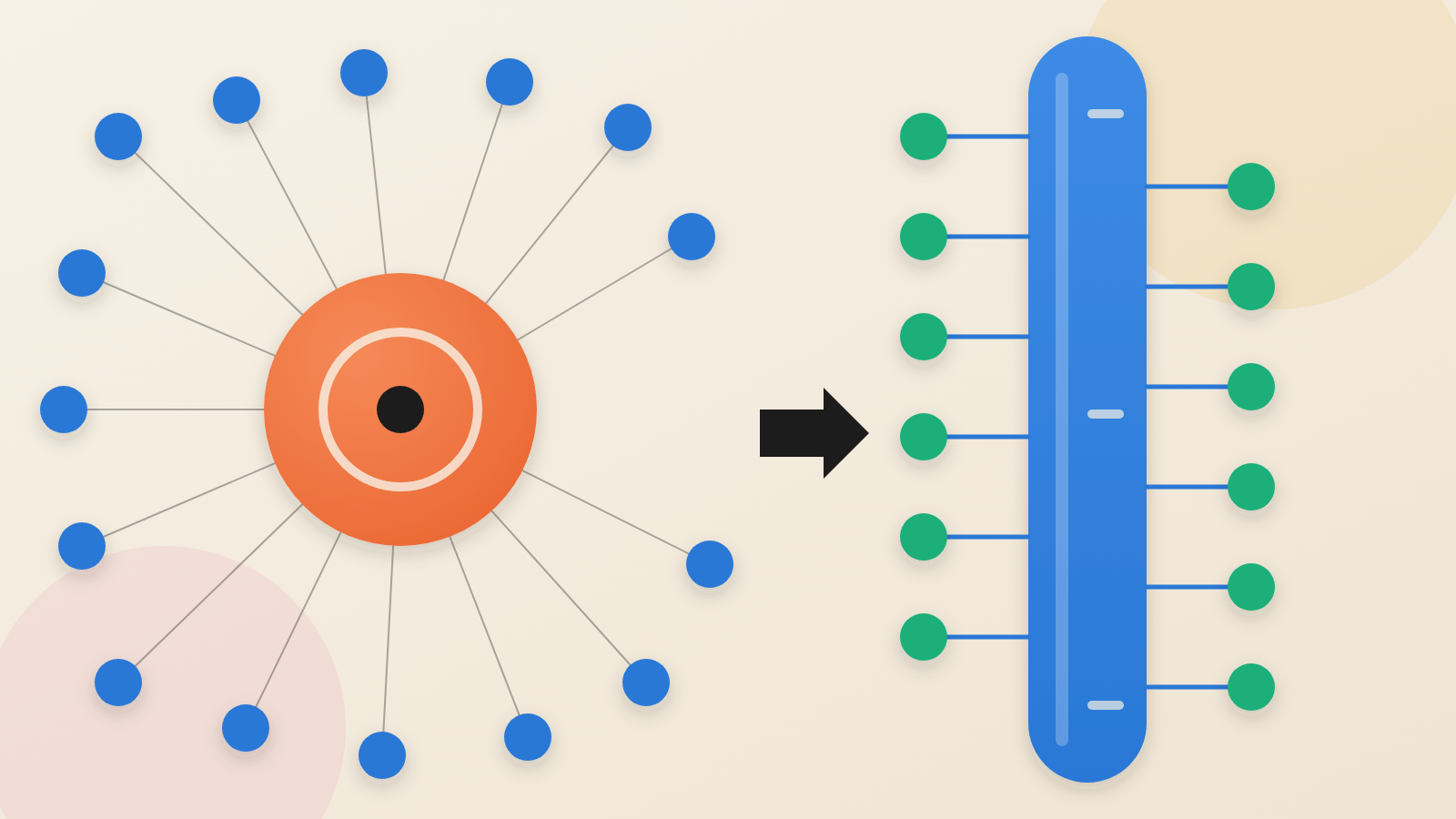
At its peak Anthropic ran several hundred internal Git mirrors, which are extra copies that share the load. The post says they got harder to run as merges rose. Its key observation, as Theo read it, was that "nearly all of our clients were agents in jobs that are online by definition."
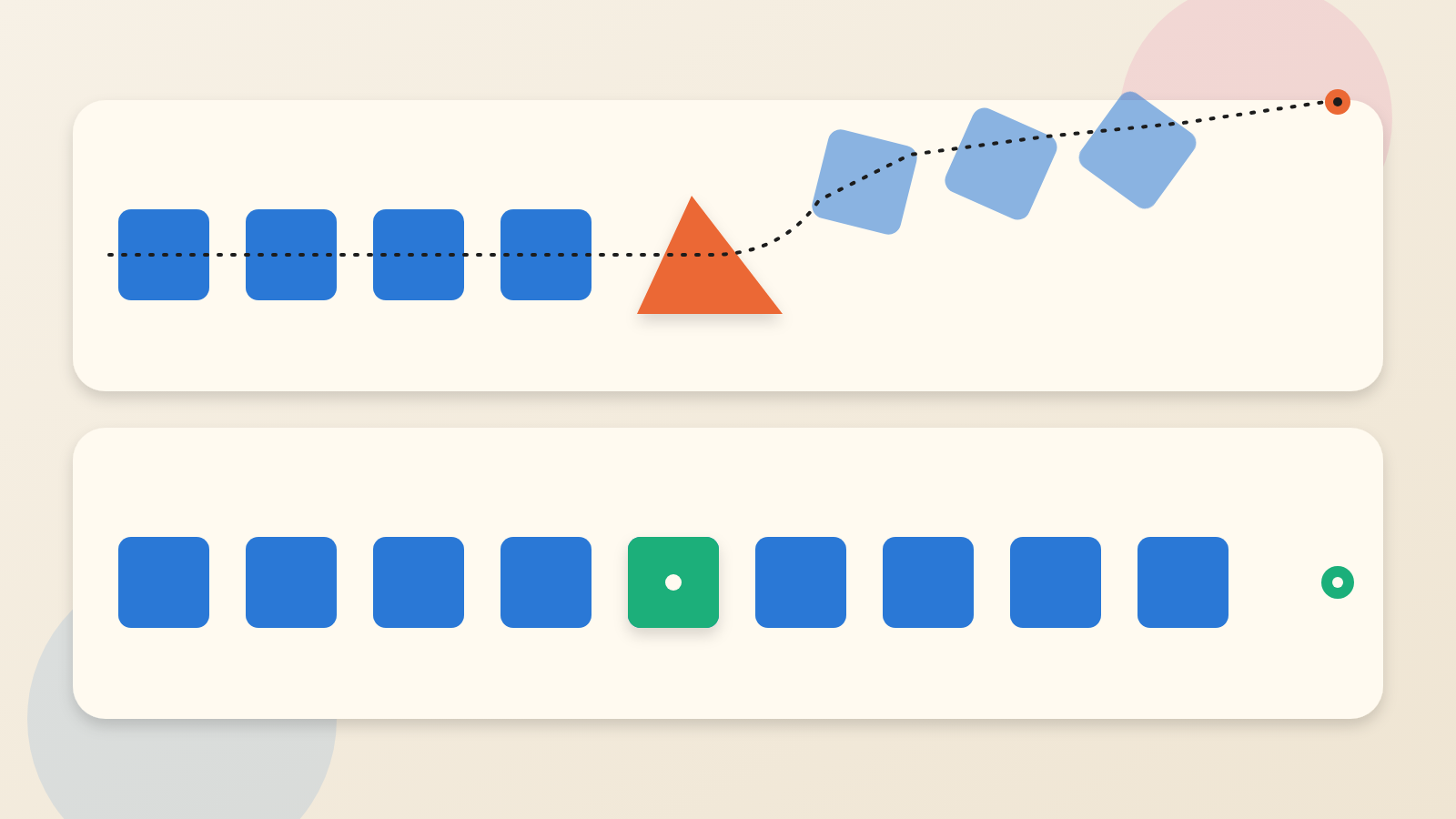
So Anthropic built Scion. In Scion, clients fetch data from an always-reachable server when they need it. The post says the new setup is 200 times smaller in CPU and memory than the old mirrors. It also says test and research jobs check out code two orders of magnitude faster.
Theo then checked his own project, T3 Code, from a small startup. Almost a thousand hours of its CI time went to waiting for Git checkouts. He converted that to 42 days, not counting local pulls. He put the cost of renting that CPU time at $350 to $600. Neither Theo nor the post links this to Git's offline-first design, repo growth or merge rates.
Why it matters
Our reading: a design can suit most repos and still get costly at extreme scale, as Anthropic reported. Theo's figure is different evidence. It shows time spent waiting on checkouts in one small project's CI, not the cost of Git's design. Treat it as a template. Ask your own pipelines the same question: how many hours do we spend waiting for code? The answer shows your exposure, whatever its cause.
The other side
The scale here is unusual. The post itself says Anthropic does not expect many organizations to face these problems in the near term. Theo was blunt that Scion is "in no means a suitable replacement for Git and general use."
The headline numbers also need care. The 600 petabytes is what native Git would have needed, not traffic that actually flowed. Theo's wasted hours come from one small startup's project and are not attributed to Git's design. The savings are Anthropic's own reports. The conversation does not separate what came from dropping Git's design from what came from tailoring a system to one company.
Written by the WebPulse Newsroom with AI assistance, and checked by our editorial review: every quotation was verified against the recording's transcript. How we use AI.
The conversation this talking point comes from
- Theo - t3.gg: Anthropic Rebuilt Git (yes really) (2026-10-16)