- Cloudflare says automated traffic passed human activity for the first time, and its Birthday Week launches include tools to charge AI agents.
- The Monetization Gateway beta uses HTTP 402 and x402; Cloudflare gives no adoption figures, so this is an early vendor design.
- Leaders should measure their own automated traffic, set a stated policy for AI agents, and review which AI tasks run on costly models.
The visitor who never browses
Picture a small online shop. An AI assistant recommends its product to a shopper. The shopper never opens the shop's website. The assistant read it, summarised it and moved on. The shop paid to host the pages and got no visit, no ad view and no payment.
This scenario is our own illustration, not Cloudflare's. The wrap-up points to a problem like this one. Cloudflare says automated traffic surpassed human activity for the first time this year. It also says it saw how much influence agent-driven recommendations have on consumer choices, and that a new approach is needed. Both are Cloudflare's own statements, and the post gives no figures behind them.
The idea: a website needs a price list for machines
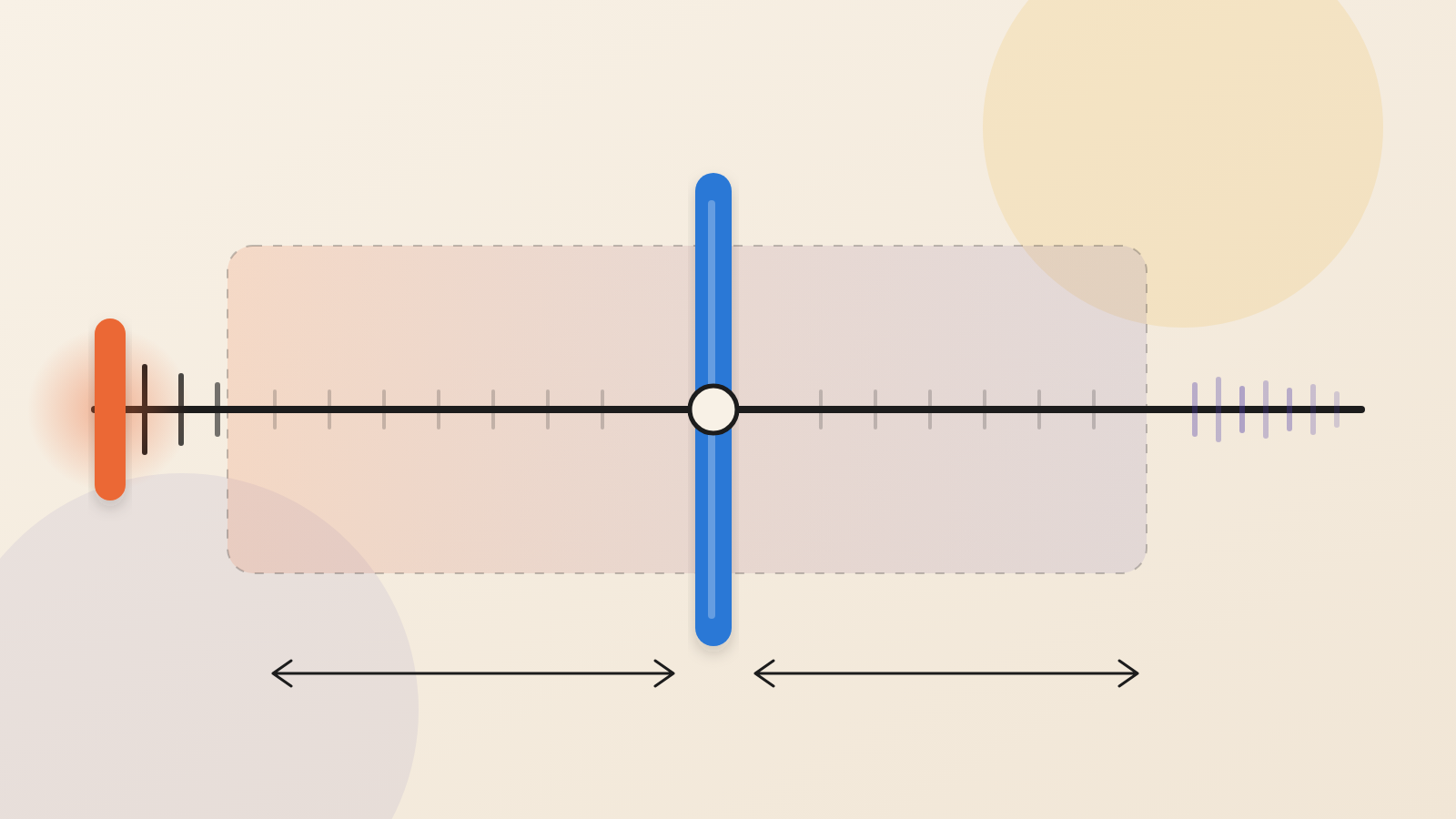
Most of the 46 launches are product updates. They cover areas such as certificates, cryptography, developer tools and observability. Read together, a few of them make one argument. A website built for people has a front door and a sign-in page. A website visited by software also needs terms: who may read, what it costs, and who gets paid.
Cloudflare's wrap-up describes three pieces of that. The first is visibility. Cloudflare frames its plan around three abilities for content owners: spotting agent visits, deciding the conditions of access, and collecting revenue when an agent draws on their work. The second is Pay Per Use. Publishers who sign up can see how verified AI buyers use their material, and Cloudflare handles the invoicing and the money transfer. The third is the Monetization Gateway, now in beta.
How the billing works
In beta, the Monetization Gateway lets a seller attach a fee to content or services that sit behind Cloudflare's network. Agents pay through HTTP 402 and x402. HTTP 402 is a status code that a server can return to say a request needs payment first. An agent that understands the signal can pay and retry. One that does not gets nothing.
Cloudflare's summary does not say how x402 settles payments. It does not say how many publishers or AI buyers take part. Pay Per Use covers only enrolled publishers and verified AI buyers. Treat all of this as one vendor's early design, not an established market.
The other side of the meter
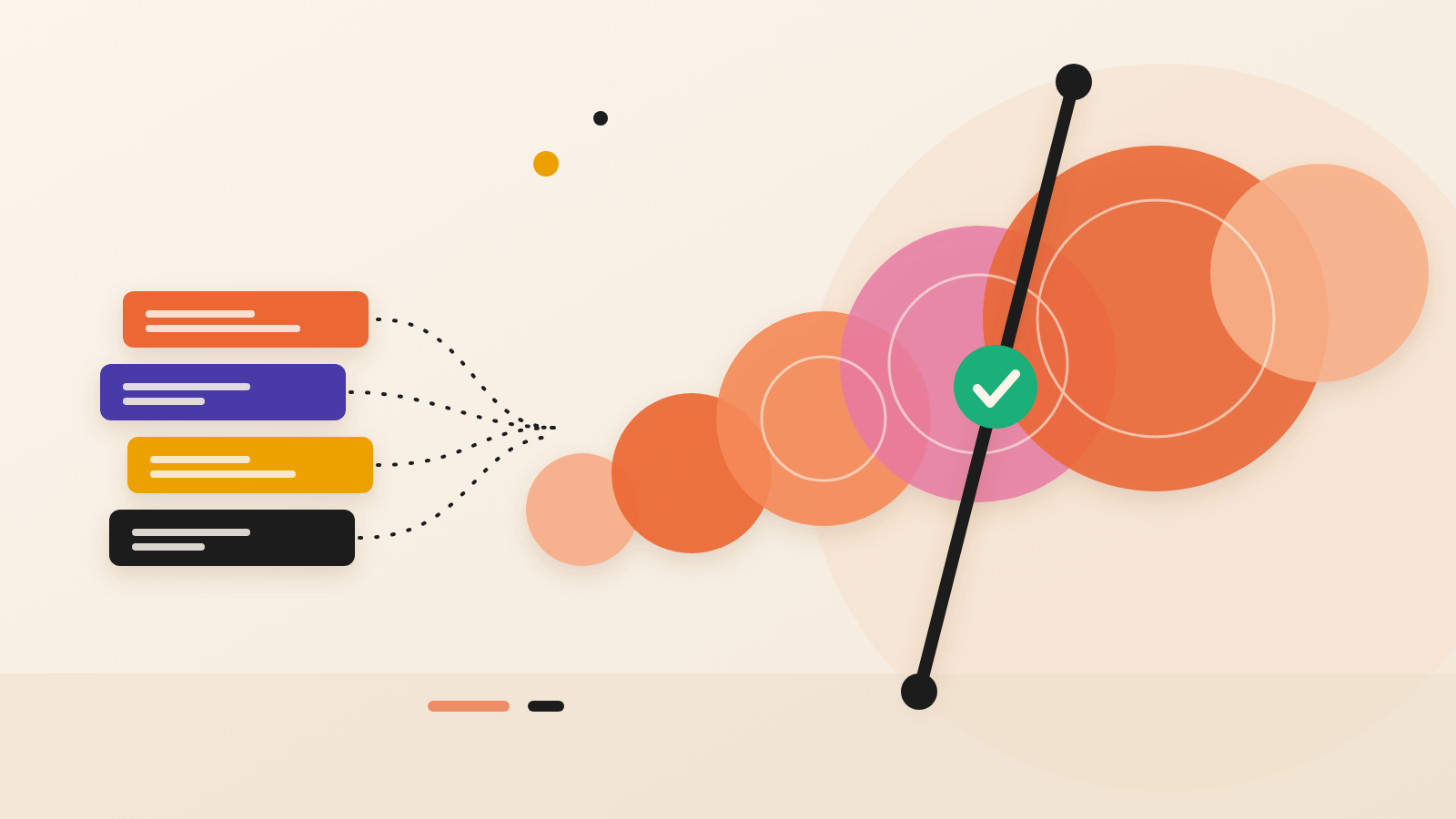
If agents pay for content, organisations also pay for the AI they run. Cloudflare's wrap-up lists two tools aimed at that cost. Inside AI Gateway, User Insights reports what jobs are being run, whether the chosen model suits each job, and where a model is more than the job needs. That helps teams spot work a smaller, cheaper model might handle. Auto Router looks at each incoming request at the network edge and routes it to a model that fits the job. Cloudflare says this lowers cost without hurting answer quality.
That claim comes from Cloudflare, and the summary offers no test results. The point for leaders is the shape of the shift. Machine traffic is now something to price on the way in and to ration on the way out.
A cautious reading
This is a vendor's summary of its own launches, and a single data point. It does not show that publishers will earn meaningful income from agents. The shop owner in our opening example also gets nothing from a payment system if agents recommend products without reading the site.
What the wrap-up does show is a large infrastructure provider building billing and terms for machine visitors as a class of customer.
Questions to put to your team
Ask what share of your own traffic is automated. Your logs can answer it, whatever Cloudflare reports. The post does not define the scope of its claim, so treat it as a prompt to measure, not a number to borrow.
Ask whether you have a stated position on AI agents reading your content: allowed, blocked, or allowed for a fee. If the answer is whatever the default is, someone has made that decision for you.
Ask which AI tasks run on your most expensive model. Small classification jobs often do not need it. A usage review is cheaper than a new contract.
Ask whether your commerce depends on agent recommendations. If it does, check how an agent sees your product pages, because that may be the only visit you get.
The old deal was simple: you publish, people visit, and you earn from the visit. Machine readers break that link, and Cloudflare is testing one way to repair it.
Produced by the WebPulse Newsroom with AI assistance from the original reporting credited below, and checked against that source by our editorial review. How we use AI.
Original reporting: Cloudflare.