- Theo argued on his t3.gg show that AI has sharply cut the cost of switching, which weakens the lock-in vendors rely on.
- Anthropic's blog said a seven-person team built Scion and Antique and migrated about half a dozen systems in five months; speakers built their own analytics mirror and compiler.
Vendor lock-in works because leaving costs more than staying. Theo, host of the t3.gg show, argued in an episode about Anthropic's new source control system that AI has pushed the cost of leaving down sharply. If he is right, vendors hold less power over their customers.
What was said
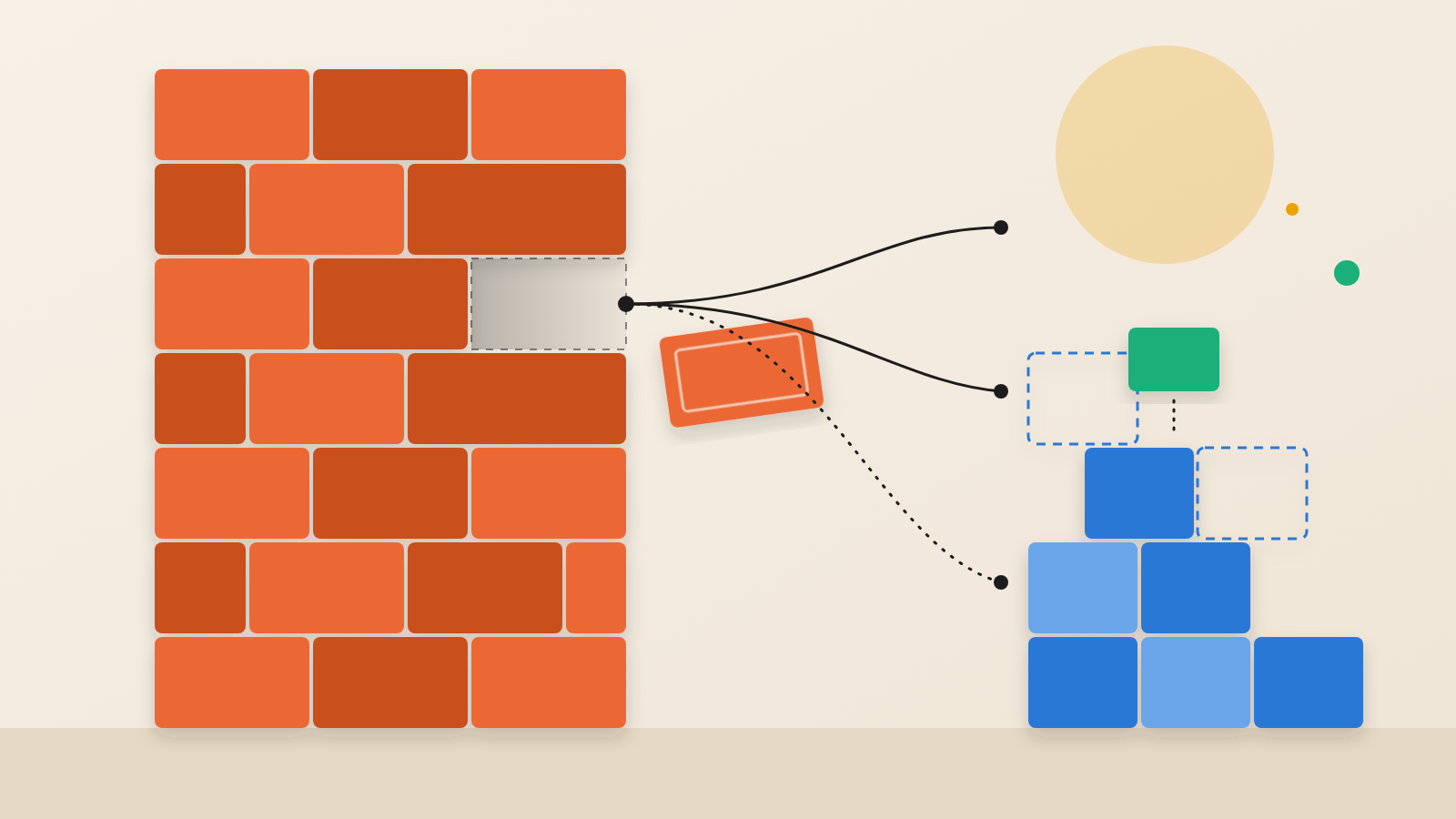
Theo walked through Anthropic's engineering blog. It said a team of seven built Scion, a new source control system, and Antique, a code review tool. The same team migrated about half a dozen related systems in five months, while daily merged code grew tenfold. The blog said this once took years and many more engineers.
Theo said fast, small-team migrations will become common. In his words, "Switching cost has gone down more than almost anything." He described the old pattern: a team adopts a vendor, then stays because leaving costs more than staying.
The show gave a concrete case. A speaker cloned one analytics provider's data. They mirrored it, then backfilled the history into their own managed ClickHouse database (built for analytics) on R2 storage. They said it came out more than 10x cheaper and easier for their AI agents to use. They did it part-time, and called such work miserable without AI. Another speaker said they wrote their own TypeScript compiler, now over 40,000 weekly downloads.
Theo also gave an example of what a slow tool costs. On T3 Code, a startup of roughly five people, almost a thousand hours of CI (automated test runs) went to waiting on Git checkouts. He called that 42 days and estimated $350 to $600 in rented CPU time. This shows Git's slowness at scale, which is the case for Scion. It is not a vendor lock-in cost.
Why it matters
Our reading: the Anthropic case is a build, not a vendor exit. It shows that a small team can build and migrate systems fast. The analytics clone is closer to leaving a vendor, because the data now sits in storage the buyer owns. Lock-in is partly the cost of moving data and history, so a tested copy changes a renewal talk. Buyers can price a rebuild before renewing. Vendors can ask whether customers stay for quality or because leaving looks hard.
The other side
Theo was clear about limits. Of Scion, he said, "This is in no means a suitable replacement for Git and general use." The seven-person figures come from Anthropic's own blog, and the episode did not check them independently. The evidence is one company's build and a few personal projects, not a measure of the wider market.
Speed still needed people. Theo said engineers often found their job was to say no to Claude, because agents sometimes broke core system rules. Humans still reviewed every change request, judging intent rather than reading every line. The excerpts also do not say what a homegrown replacement costs to maintain.
Written by the WebPulse Newsroom with AI assistance, and checked by our editorial review: every quotation was verified against the recording's transcript. How we use AI.
The conversation this talking point comes from
- Theo - t3.gg: Anthropic Rebuilt Git (yes really) (2026-10-16)