- AWS says global cross-Region inference for GPT-6 on Bedrock keeps billing and logs in the calling Region, while Bedrock picks the Region that processes the request.
- Flagged traffic is retained up to 30 days in that destination Region, so data residency teams need to review it before rollout.
- Check your Region-allowlist policies, token quotas and CloudTrail records before production.
The record stays home. The processing may not.
Picture a company in Singapore that calls an AI model. Most people would assume the work happens in Singapore. AWS's new guidance for OpenAI's GPT-6 models on Amazon Bedrock shows where that assumption breaks.
The lesson here: with global routing, the place you call from and the place your data is processed are two separate facts. Only one of them is known before the call is made.
What AWS announced
A single Region can run short of capacity when demand is high. AWS says calls can then be throttled, meaning slowed or refused. Its answer is global cross-Region inference.
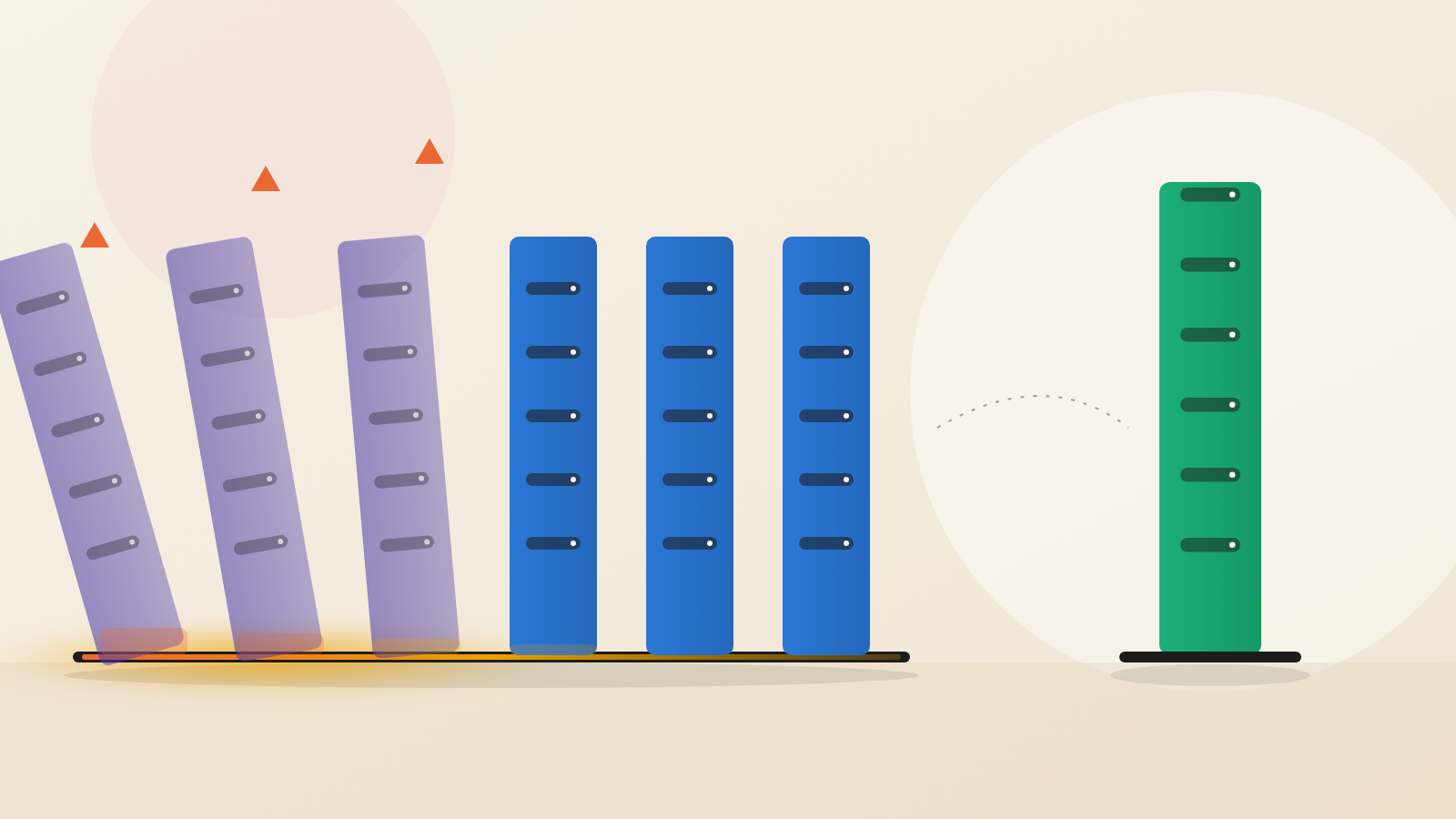
Bedrock now offers GPT-6 Sol and GPT-6 Luna this way from five source Regions. They sit in Thailand, Malaysia, Singapore, Indonesia and Taiwan. GPT-6 Astra is offered from Singapore only.
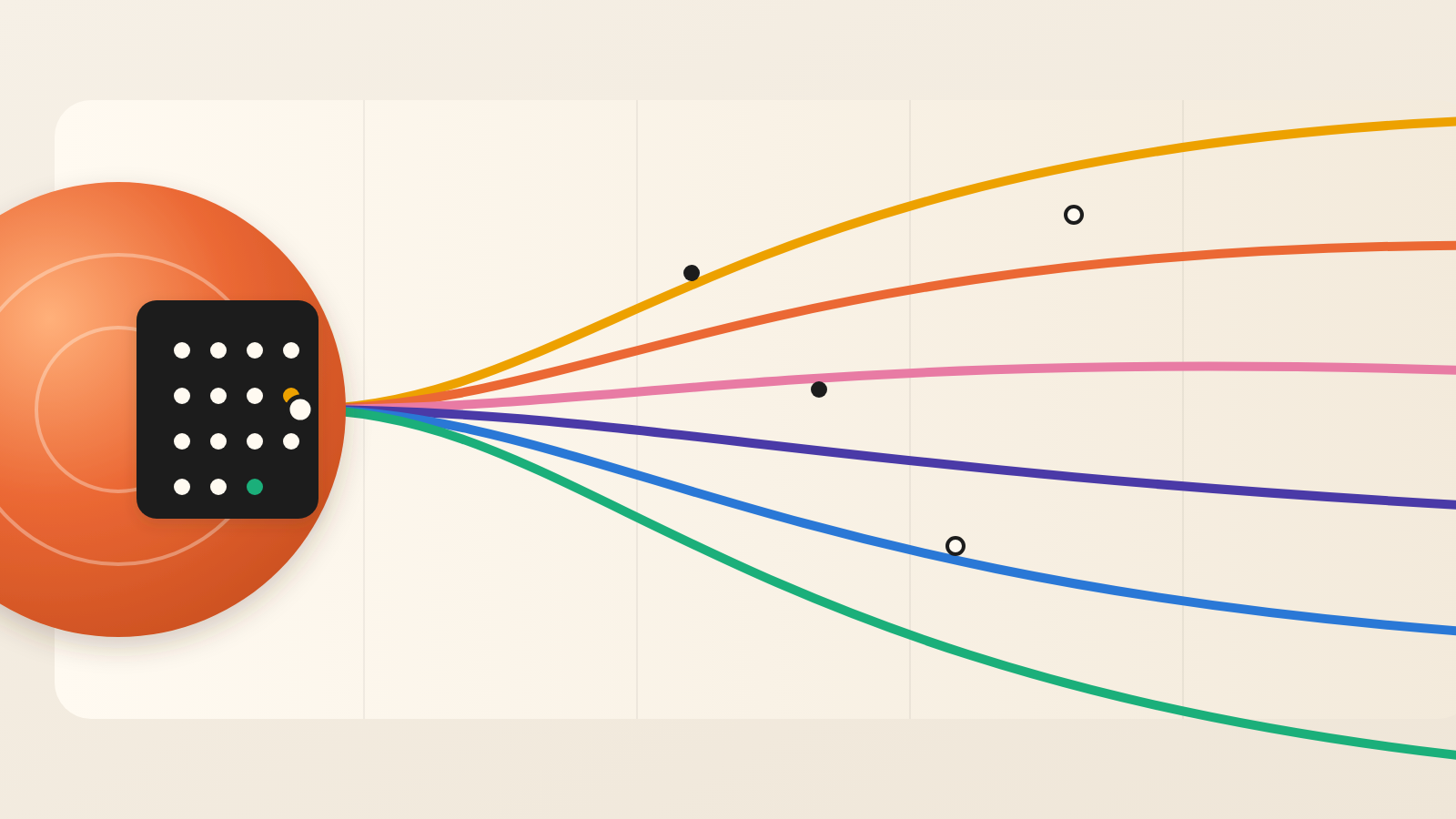
Switching on global routing means your code names a profile instead of a model. The call leaves from your source Region. Bedrock then chooses the destination Region where the model actually runs it.
AWS says billing, quota tracking, CloudTrail (its audit log) and CloudWatch (its monitoring service) stay in the source Region. You pay that Region's rates, not the rates where the work ran.
AWS does not list the destination Regions of a global profile one by one. It describes them only as its commercial Regions.
Where the data goes
AWS runs automated abuse checks offline. A classifier may flag a request. AWS keeps flagged traffic for up to 30 days and handles it by program.
With cross-Region inference, that copy sits in the destination Region. For a global profile, that could be any supported commercial Region where the model runs.
Eligible customers can ask their AWS account team for full zero data retention. AWS tells firms with data residency rules to involve risk and compliance early. It also points to its Financial Services Compliance Center pages for the five countries.
Here is the practical gap in the design. The engineer sees a working call and a bill in the home Region. The compliance officer must answer where a flagged request may have sat for up to a month.
Why the first call often fails
Many large firms limit which Regions their accounts may use. They do this with service control policies (SCPs). These are organization-wide rules that sit above individual teams.
AWS explains that a global request carries no Region name. Bedrock labels the Region as "unspecified". A Region allowlist then blocks the call.
The error message names the type of policy, but not the policy itself. AWS says this is a frequent reason first calls fail in company accounts.
One quick fix is to add "unspecified" to the allowlist. AWS says this works. But it grants the same exception to every other service.
AWS prefers a narrower fix. An SCP can allow the global profiles by their ARN, the unique ID of a resource. Region controls then stay in place for everything else.
Output tokens use up quota ten times faster
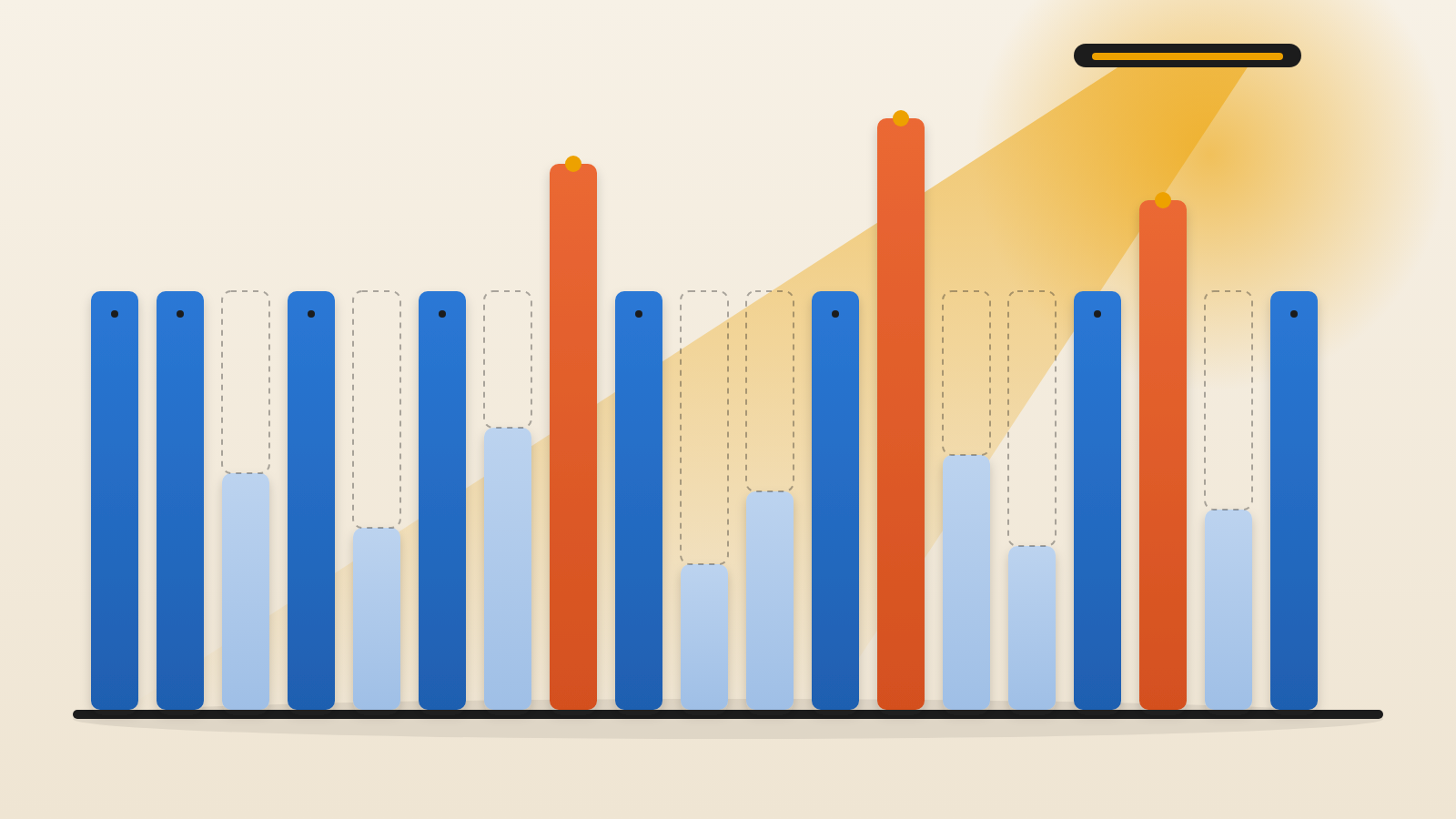
Capacity is measured in tokens per minute, tracked in the source Region. Each input token uses one token of quota. Each output token uses ten, AWS says.
Take a call with 2,000 tokens in and 1,000 tokens out. It drains 12,000 tokens of quota.
Bedrock also sets aside the full max_tokens value before the call runs. AWS advises setting it close to the output you expect. It suggests an alarm on EstimatedTPMQuotaUsage at 70 to 80 percent of your allocation. Teams with long outputs may hit limits sooner than they expect.
How to see where a request ran
Look in CloudTrail for the field additionalEventData.inferenceRegion. It sits in your source Region and shows where each call was processed.
AWS treats these calls as management events. They are logged by default and cost nothing extra. Event History keeps only 90 days. Longer records need a trail or model invocation logging.
Questions for your team
First, has legal reviewed the 30-day retention, in a Region we cannot name in advance, against each country's rules? Second, if we need zero data retention, who is asking our AWS account team? Third, did we limit the SCP exception to the profile ARNs, or widen the allowlist for every service? Fourth, do our quota alarms use the 10x output rate? Fifth, can we show an auditor the inferenceRegion for a sample of calls?
Global routing buys capacity. The price is that your paper trail and your data no longer sit in the same place. Decide that on purpose, before a first call decides it for you.
Produced by the WebPulse Newsroom with AI assistance from the original reporting credited below, and checked against that source by our editorial review. How we use AI.
Original reporting: AWS.