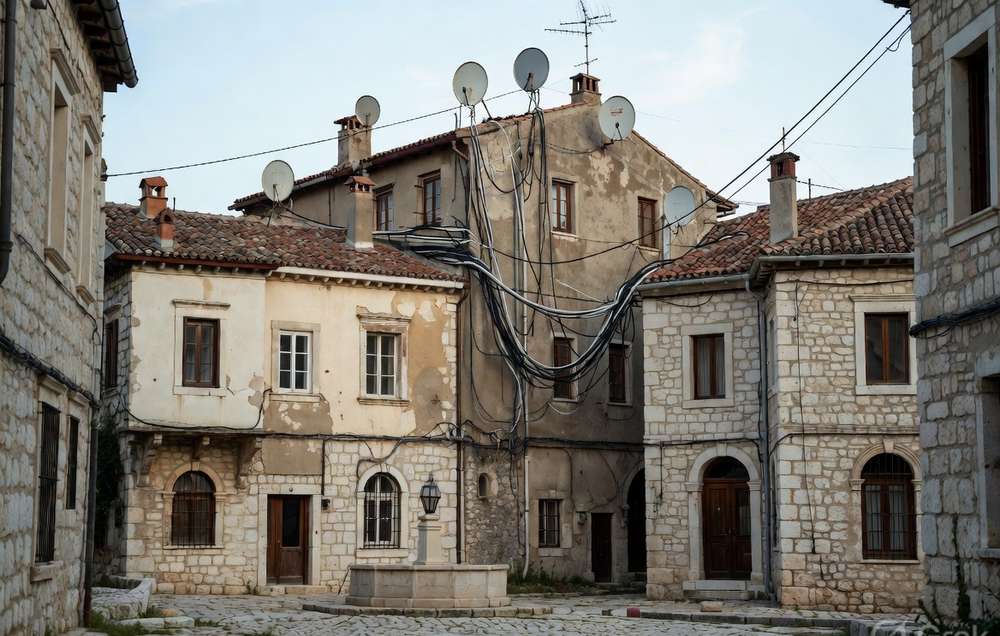
Joomla on .hr (Croatia): 9% (884 of 9,826 detected) (Source: WebPulse Common Crawl scan, 8M+ detections.)
The Joomla Belt
Joomla is 1.3% of the global web. In Western Europe, it barely registers. But draw a line from Croatia through Serbia, Slovenia, Bosnia, and North Macedonia — and Joomla is 3-9% of every country. The Balkans are a Joomla belt, and nobody was tracking it until now.
The Global Joomla Map
The Balkans aren't alone. Thailand (19%), Russia (11%), Greece (11%) — Joomla's geographic map is a belt from Southeast Europe through Central Asia to Southeast Asia. The 'dead' framework lives in specific geographic corridors. These aren't random outliers. Joomla communities formed in these regions 10-15 years ago, built infrastructure, and never migrated.
The Security Implication
Joomla has 789 known CVEs — fewer than WordPress (18,005) but more than most modern frameworks. The Balkans' Joomla concentration means every Joomla vulnerability disproportionately affects this region. When Joomla's security team patches a critical flaw, the urgency isn't global — it's geographic. The Balkans, Thailand, Russia, and Greece carry the exposure.