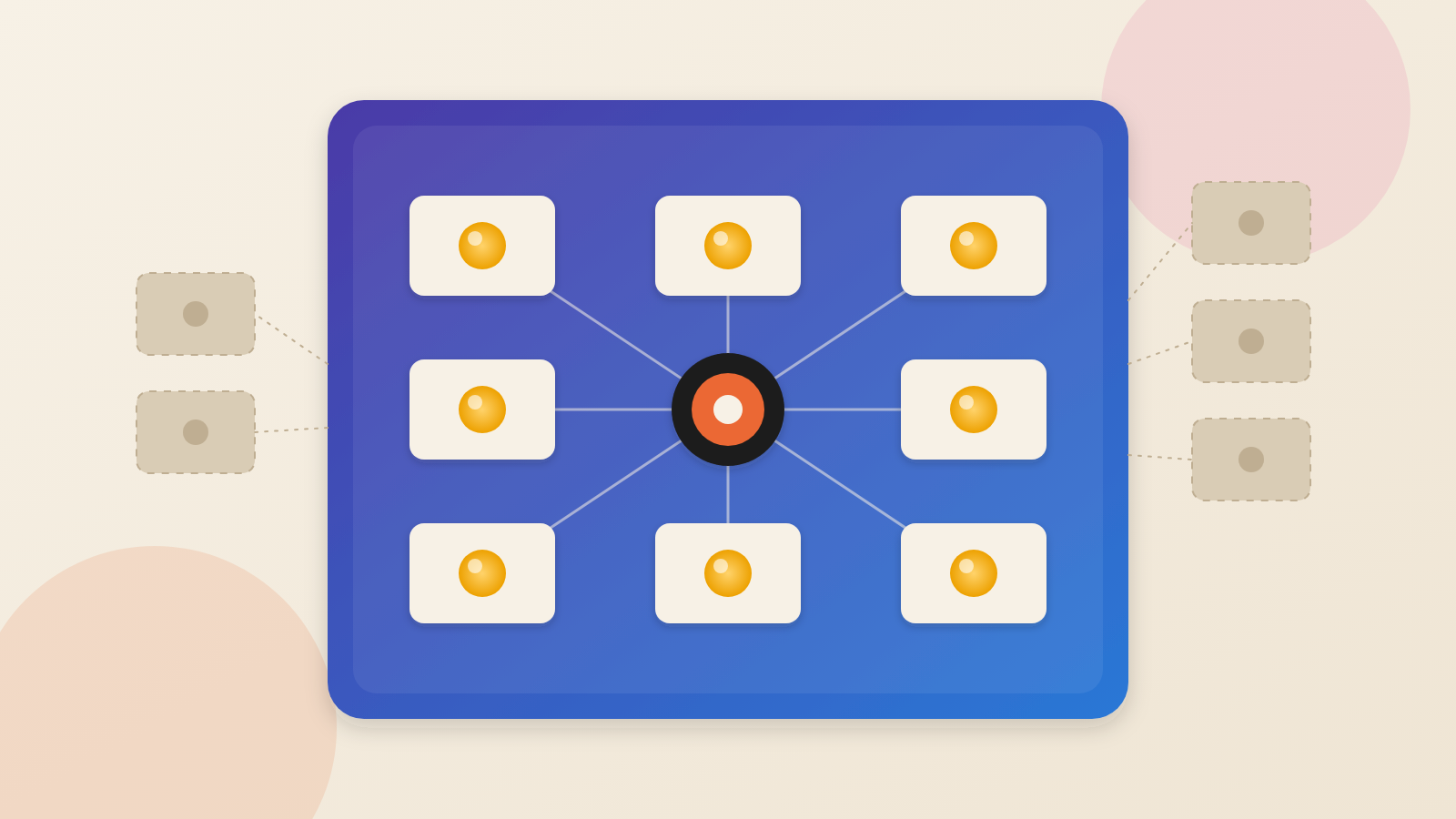
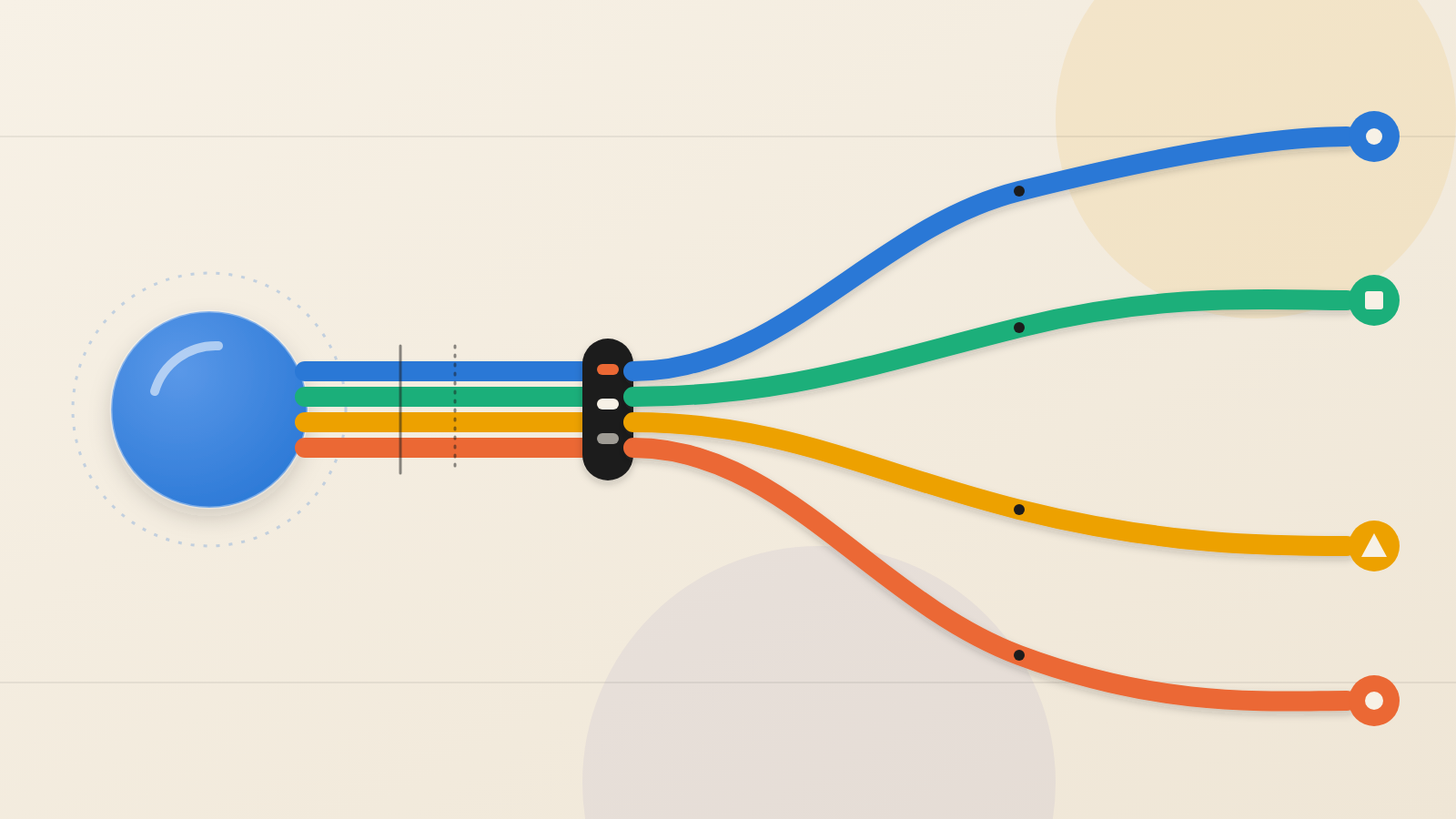
Microsoft repos disabled after TrustFall-class attack: 73 (Azure, Azure-Samples, MicrosoftDocs organizations. 105-second automated sweep. Source: StepSecurity, The Register, June 8, 2026.)
One Enter Key. Full Compromise. Now Proven at Microsoft Scale.
In June 2026, Adversa AI disclosed TrustFall — a class of vulnerabilities affecting every major AI coding agent. Claude Code, Cursor CLI, Gemini CLI, and GitHub Copilot all execute project-defined MCP (Model Context Protocol) servers immediately after the user accepts a folder trust prompt. A cloned repository can embed attacker-controlled execution paths that activate with a single keystroke.
On June 5, it stopped being theoretical. The Miasma worm planted .mcp.json and IDE configuration files in Azure/durabletask — a Microsoft Azure repository. When developers opened it in Claude Code, Cursor, or Gemini CLI, the payload executed automatically. No npm install. No user action beyond opening the project. GitHub disabled 73 Microsoft repositories across four organizations in 105 seconds. TrustFall, validated in production, against Microsoft.
The trust dialog defaults to 'Yes.' Claude Code's dialog reads: 'Quick safety check: Is this a project you created or one you trust?' It lists nothing about the MCP servers that will execute. One Enter keypress — the default — and the attacker has remote code execution on the developer's machine.
SymJack: The Approval Prompt Is Lying
Adversa AI — the same team behind TrustFall — disclosed a second attack class: SymJack. The developer sees a request: 'copy this video file to the documentation folder.' They approve it. But the destination is a symbolic link pointing at the agent's own configuration directory. The kernel follows the link. The attacker's payload writes straight into the MCP config. On the next restart, the malicious MCP server spawns, and the attacker's code runs as the user — unsandboxed, with full privileges.
SymJack affects Claude Code, Cursor, Copilot, Google Antigravity, and Grok Build. The approval prompt shows a harmless file copy. The filesystem executes a config hijack. The developer never sees the real destination. Anthropic quietly hardened Claude Code weeks later — resolving symlinks before displaying the approval prompt — but the architectural pattern remains exploitable across agents that haven't patched.
Clinejection: Zero Code. Zero Clicks. 4,000 Developers Owned.
In February 2026, security researcher Adnan Khan disclosed a vulnerability chain in Cline — a popular AI coding tool with 5+ million users. The attack required nothing more than typing a prompt injection into a GitHub issue title. Cline's AI triage bot — powered by Claude — read the title, executed the injected instructions, poisoned the CI cache, extracted npm publish tokens, and published a malicious [email protected] to npm. For eight hours, every developer who updated installed OpenClaw — an unauthorized AI agent — on their machine. 4,000 developers were compromised.
Khan had reported the vulnerability five weeks earlier via GitHub Security Advisory. He sent multiple follow-ups. None received a response. When he publicly disclosed, Cline patched in 30 minutes by removing the AI triage workflows entirely. The fastest fix for an AI-powered supply chain attack was to turn the AI off.
Claude Code Source Leak: Three Zero-Days Fell Out
On March 31, 2026, Anthropic accidentally published a debugging sourcemap for Claude Code v2.1.88 to npm. 513,000 lines of unobfuscated TypeScript across 1,906 files — the full source of the tool used by 76% of professional developers. Within days, researchers found three critical vulnerabilities: a permission bypass where deny rules stop applying after the 51st command in a chain (CVE-2026-35020), allowing attackers to exfiltrate SSH keys and cloud credentials in the background; a GitHub Actions vulnerability in the checkWritePermissions function letting attackers compromise any repository using Anthropic's official CI/CD workflow; and two additional command injection CVEs (CVE-2026-35021, CVE-2026-35022).
The irony is structural. The tool that writes most of the modern web's code had its own source accidentally leaked through the npm supply chain — the same supply chain WebPulse has documented as having 25+ attacks in six months. Anthropic's supply chain failure exposed the supply chain vulnerabilities of its own tool.
The Supply Chain Recursion
This is where WebPulse's three editorial angles converge. The npm supply chain is under siege — 25+ attacks in H1 2026. Miasma compromised Red Hat's official npm packages and forged SLSA provenance. IronWorm specifically targets AI coding assistant credentials — Claude, Codex, Gemini, Cursor. TrustFall shows those same AI assistants can be RCE'd through the repositories they clone.
The recursion is: compromised npm packages steal AI tool credentials. AI tools with those credentials can be hijacked to commit malicious code. That malicious code enters new repositories. New developers clone those repositories. Their AI tools execute the MCP payload. Repeat. The supply chain attack has become self-amplifying through the AI development toolchain.
76% Exposure
Stack Overflow's 2026 developer survey reports 76% of professional developers use AI coding assistants. Every one of those developers is a potential TrustFall target. Every repository they clone could contain a weaponized MCP configuration. Every GitHub issue they triage could contain a prompt injection payload.
The 1.5 million AI agent API tokens exposed in the Moltbook database breach (April 2026) — including plaintext OpenAI keys — shows the credential hygiene around AI tools is nowhere near mature enough for the threat landscape they inhabit. Only 10% of Security Operations Centers report getting 'excellent value' from AI security implementations. The tools are adopted faster than they're secured.
The Framework Dimension
What does TrustFall have to do with framework choice? Everything. AI coding agents overwhelmingly generate modern framework code — React, Next.js, FastAPI, Astro. Those frameworks live in GitHub repositories. Those repositories are where TrustFall payloads hide. The more your development workflow depends on cloning repos, installing npm packages, and processing GitHub issues with AI assistance, the larger your attack surface.
Hugo — compiled Go binary, no MCP servers, no npm install hook, no project-level configuration that executes on clone — is immune to TrustFall by architecture. Not by patch. By design. A WordPress site maintained through wp-admin has no AI coding agent in the loop to compromise. The irony: the most 'modern' development workflows carry the most novel attack surfaces.
The web is being built by machines that are themselves one click from compromise. The tools chose modern frameworks. The attackers chose the tools.