- On July 8, 2026, Ubiquiti's Bulletin 066 disclosed 25 UniFi OS vulnerabilities, seven critical and eighteen high, including a command injection flaw, CVE-2026-50746, fixed in UniFi Connect Application version 3.4.20.
- Censys found over 100,000 internet-exposed UniFi OS instances in a June 2026 advisory cycle; that shows how many are reachable, not how many are vulnerable to this bulletin.
- UniFi users should list every internet-facing admin panel, apply the July 8 patch, and decide whether each panel needs to be reachable from the internet at all.
A Familiar Flaw, One Layer Down
On July 8, 2026, Ubiquiti published Bulletin 066, a security advisory covering 25 vulnerabilities across its UniFi OS product line — the software that runs the web-based admin console for its routers, gateways, access points, and surveillance systems. Seven of those carry critical severity ratings and eighteen are rated high. The most severe, CVE-2026-50746, is a command injection vulnerability in the UniFi Connect Application, reachable by any actor with network access, that lets an attacker execute arbitrary commands on the host device. Ubiquiti has shipped a patch to version 3.4.20. Six of the seven critical flaws allow low-complexity exploitation without user interaction, which narrows the gap between disclosure and a working exploit chain.
A Pre-Existing Exposure Footprint
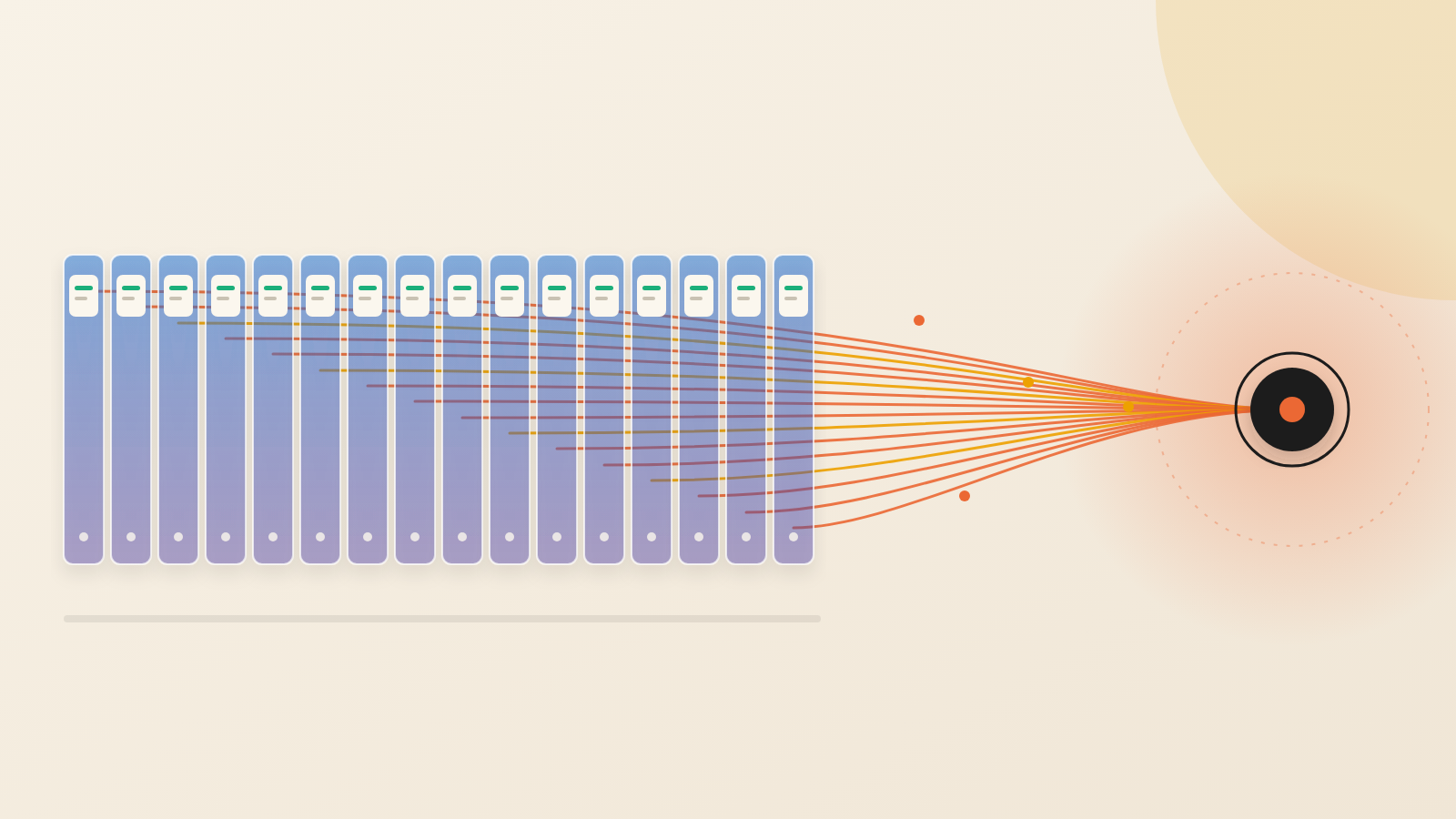
Censys had previously identified more than 100,000 internet-exposed UniFi OS instances during an earlier advisory cycle in June 2026 (covering CVE-2026-34908, CVE-2026-34909, and CVE-2026-34910), with roughly half located in the United States. While the July 8 disclosure covers different CVEs — notably CVE-2026-50746 in the UniFi Connect Application — the general UniFi OS exposure footprint provides context for the attack surface. A subset of those instances may already be patched, running updated firmware, or not using the specific Connect Application component tied to CVE-2026-50746. What the figure establishes is the scale of internet-reachable UniFi infrastructure, not confirmed vulnerability to this specific bulletin.
Why Browser-Facing Admin Surfaces Keep Appearing in Advisories
The pattern this advisory illustrates extends beyond any single vendor. Network appliances, hosting control panels, and CMS platforms all increasingly expose browser-based management interfaces to the open internet — and all accumulate the same classes of vulnerabilities: command injection, authentication bypass, and improper access control. The difference between a CMS admin panel and a network appliance dashboard narrows to zero from the perspective of an automated scanner: both are HTTP endpoints, both accept input, both are indexed by the same exposure-scanning infrastructure the moment a CVE ships. Automated scanning tools — including the agentic tooling now common in vulnerability research — do not distinguish between a WordPress login page and a UniFi console. They only need the endpoint to exist and respond.
What Budget Signers Take From This
WebPulse's detection catalog covers web frameworks, not network appliances — but the observation holds: any browser-facing admin surface, whether it manages a website or a network, now sits inside the same automated discovery-and-exploitation loop. For organizations running UniFi infrastructure, the actionable question is not whether the CVE count is alarming — it is whether every internet-facing admin panel has been inventoried, whether the July 8 patch has been applied, and whether the panel needs to be internet-facing at all. The patch is available. The exposure footprint was already public before it shipped.
Produced by the WebPulse Newsroom with AI assistance from the original reporting credited below, and checked against that source by our editorial review. How we use AI.
Original reporting: bleepingcomputer.com.