Turkey WordPress concentration: 93% (Among the highest single-framework concentrations of any country. Source: WebPulse country_stats.)
The WordPress Tax Map
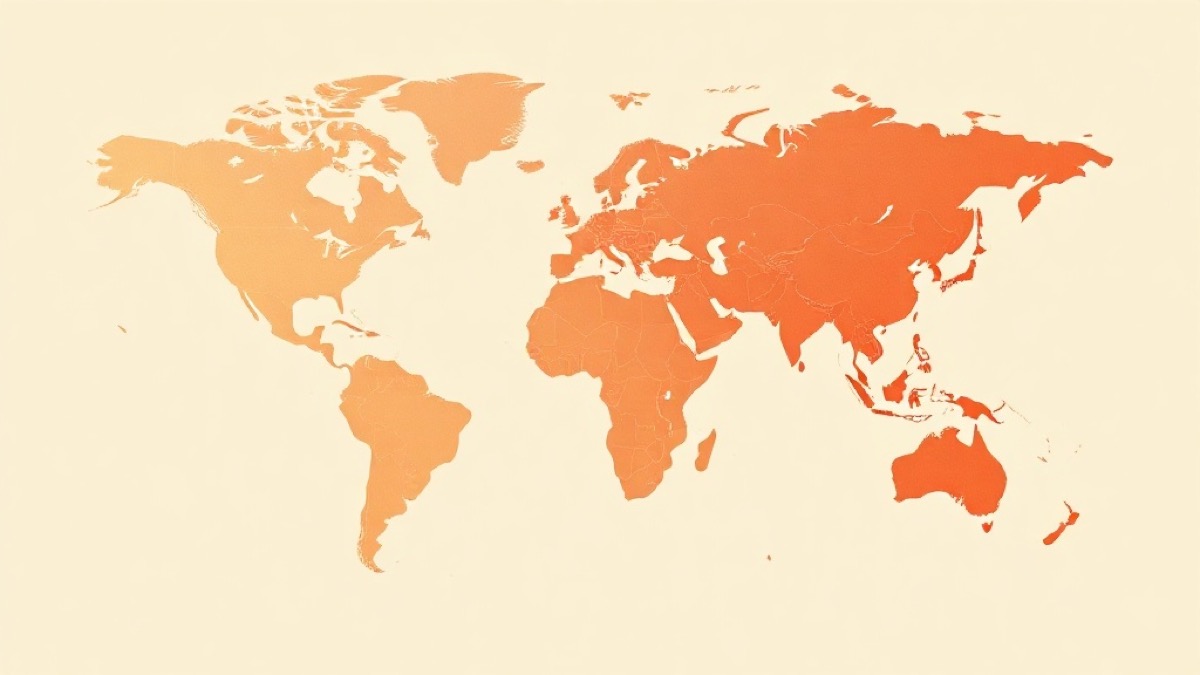
WebPulse's country-level data reveals enormous variation in legacy framework concentration. Turkey: 93% WordPress. Iran: 93%. Nigeria: nearly 100%. At the other extreme: Hong Kong is the most framework-diverse market we measured, with significantly lower WordPress concentration. The economic implication: some countries are paying 2-3x more in aggregate infrastructure maintenance per website than others.
The Cost Multiplier
Every WordPress site carries approximately $3,600-6,000/year in maintenance overhead versus a modern alternative. In a country with 93% WordPress concentration, nearly every website in the digital economy carries this cost. In a country with 35% WordPress, the aggregate infrastructure burden is proportionally smaller. This is a macroeconomic difference — not just a technology preference.
Developing economies are disproportionately impacted. WordPress's low initial cost made it the default choice in markets where upfront cost matters most. But the ongoing maintenance cost — security patching, plugin updates, hosting overhead — creates a structural disadvantage. The cheapest framework to deploy is the most expensive to operate.
Where the Map Is Changing
India's government digital infrastructure, Singapore's government services, and Estonia's digital society — all show modern framework adoption outpacing their private sectors. The pattern: government digital mandates drive modern adoption faster than market forces. Countries without such mandates remain locked in the WordPress economy, paying the legacy tax indefinitely.