- AhnLab ASEC found ARTEX, an AI penetration testing tool, redistributed under at least six names after its original GitHub repository disappeared.
- One copy, tied to Bob Research Labs, was linked to a follow-up attack flow using CVE-2026-75650 against Magento/Adobe Commerce.
- Detection that keys on a tool's name can miss copies. Teams should hunt for behaviour and confirm patching of CVE-2026-75650.
A name is not a fingerprint
When a software project vanishes from public view, many teams assume the risk went with it. AhnLab's latest report on ARTEX suggests otherwise.
ARTEX is an AI penetration testing tool. Its original GitHub repository has disappeared. AhnLab's ASEC researchers say independent copies have grown in number since then.
Operators change the product name, interface, file layout, agent settings and language. They leave traces of the original code behind.
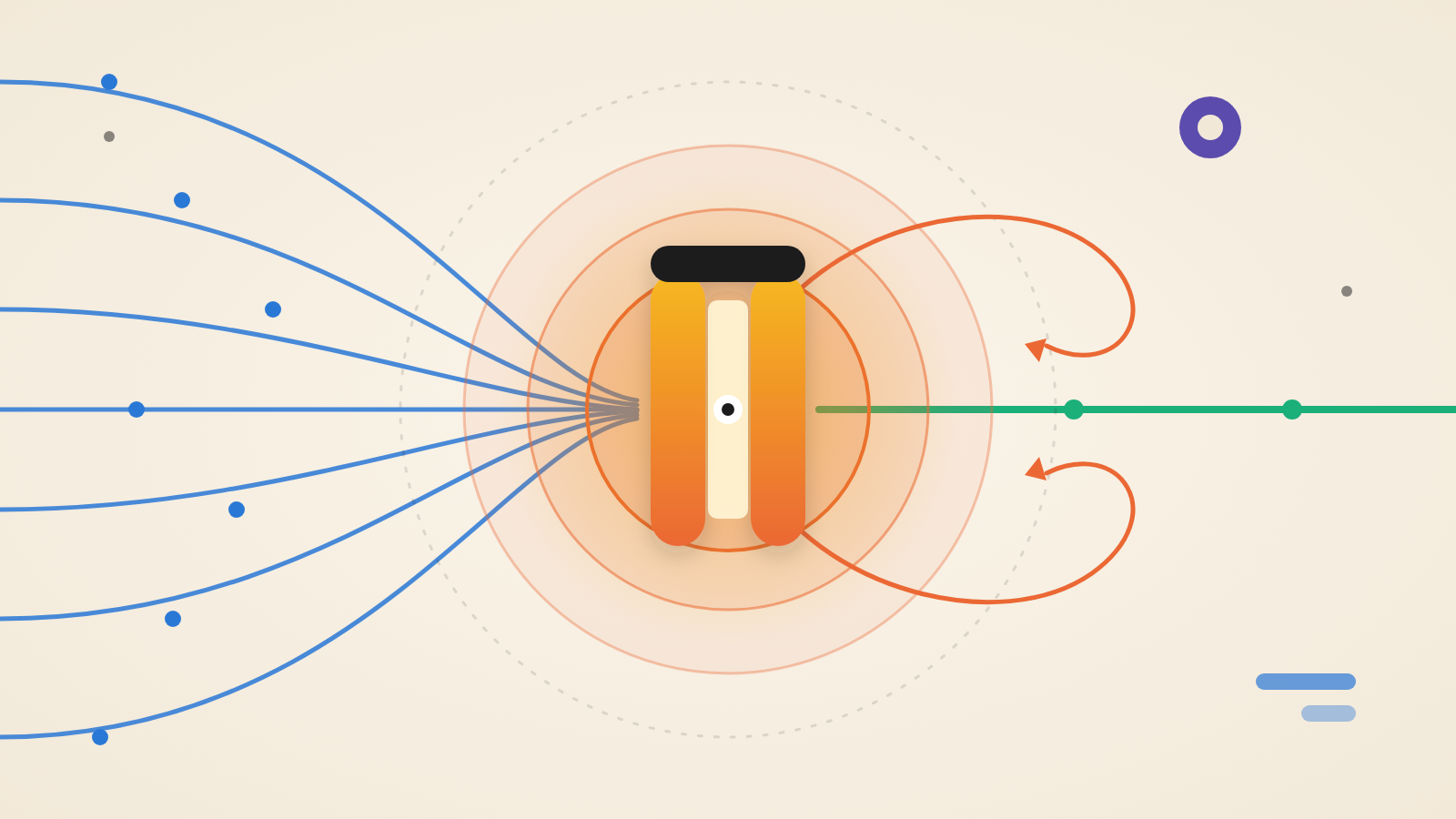
The lesson here is simple. Once code has been copied, removing the source does not remove the capability. The tool becomes a family of variants. A defender who searches for one name will miss many of them.
In several cases, the report says, ARTEX kept its own name alongside the rebrands. So a name search finds some copies, but not all.
How the tool works
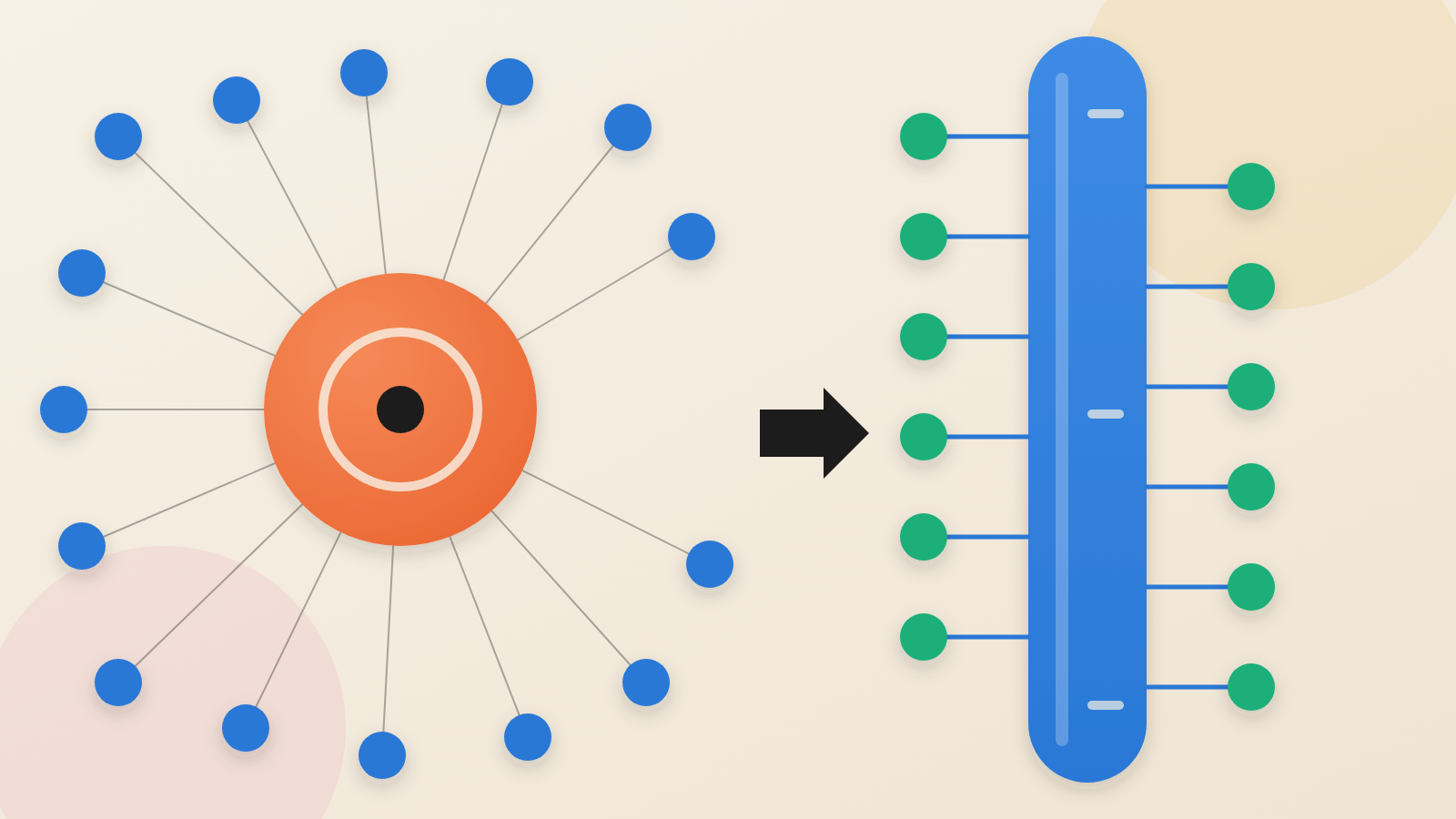
AhnLab describes a multi-agent design. A Planner agent splits a job into tasks. Up to three Workers carry them out. One build restores task states from a PostgreSQL database.
The tool also uses "Skills". These are packaged instructions for specific testing jobs. AhnLab lists many areas, including API testing, SQL injection, server-side request forgery and cross-site scripting.
The list goes on. It covers file upload testing, cloud and container security, network testing, secure code review and incident response.
Backup folders and zip files in the environment show the Skills were gathered, translated into English and repackaged. A script in the code also swapped Korean and Chinese text for English. A folder named artex-ko held Korean localisation files.
The report does not name a country of origin for ARTEX.
One build carried profiles for four model families. That suggests the backend AI model is configurable. This is our inference, not an AhnLab finding.
One copy, one Magento attack chain
AhnLab examined a customised build it calls ARTEX/REAPER. It was found in a Bob Research Labs environment. Internal paths show the project renamed reaper-full.
That environment offered two separate web interfaces. One sat on port 3001 and the other on port 443.
It also held a working copy of StyleSmuggler. This is the public proof-of-concept for CVE-2026-75650. The flaw allows remote code execution in Magento/Adobe Commerce without a login.
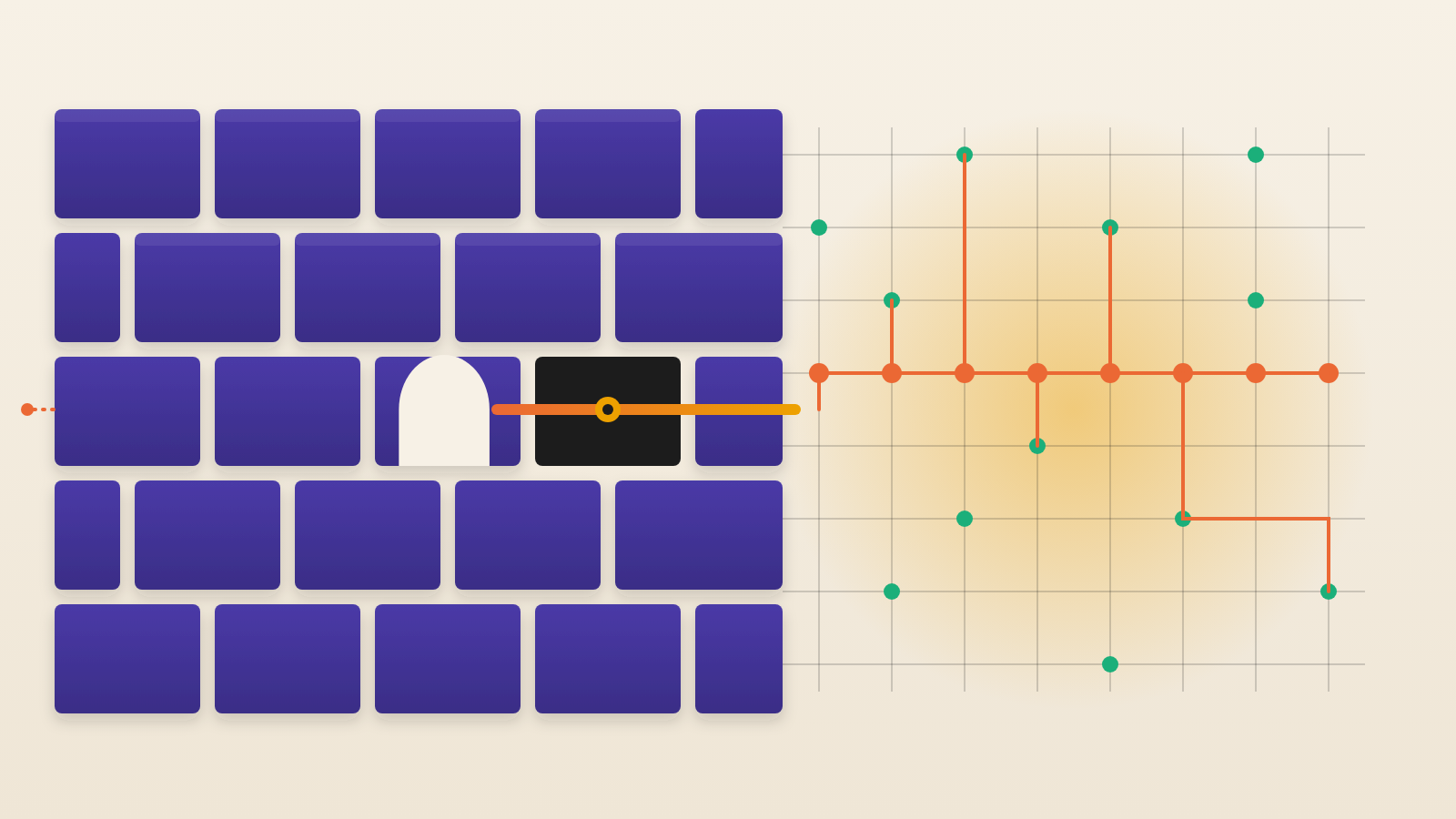
AhnLab saw signs that the same steps as the public code had been run. They were creating a guest cart, altering billing details, triggering the vulnerable checkout flow and extracting a Magento report identifier.
Further files point to what came next. AhnLab found an "IRC BOT DEPLOYED" message, a generated cache.php payload and a file called irc.php.
According to the report, irc.php is a persistent remote-control implant. It joins a password-protected IRC channel, #mg_master. Its features include an @reboot cron job and copying to hidden paths. It accepts commands such as !Cmd@ and !Cmd@all.
The report does not say who was attacked or how many sites were affected. It describes files and a flow of activity, not a victim count.
What the careless handling tells us
AhnLab judged the operators careless. Code, login details, logs, build files and attack tools could be found openly online. The report calls this poor operational security.
That helps defenders. Exposed material gives them something to study and match against.
Here is a wider point, and it is our interpretation. AhnLab does not say an AI agent ran the exploit, or that the public code sped anything up. It reports only that a working copy of the public code sat in the same environment as the AI tooling. The steps matched.
Even so, the pairing is worth a leader's attention. A published exploit and an AI-driven toolkit were kept side by side.
What leaders should ask
Ask your security team whether every Magento or Adobe Commerce storefront is patched against CVE-2026-75650. Ask how fast it can confirm that, and with what evidence.
Ask whether detection rules depend on tool names or product strings. AhnLab's findings suggest behaviour is the more reliable signal.
Examples from this case include web servers making outbound IRC connections and new @reboot cron entries. Unexpected PHP files such as cache.php are another.
Ask whether you test your own systems with AI-driven tools, and who controls them. Exposed credentials and logs are a risk for the defender as much as the attacker.
A tool's name is the least durable thing about it. The structure and the skills outlast the brand.
Produced by the WebPulse Newsroom with AI assistance from the original reporting credited below, and checked against that source by our editorial review. How we use AI.
Original reporting: AhnLab ASEC.