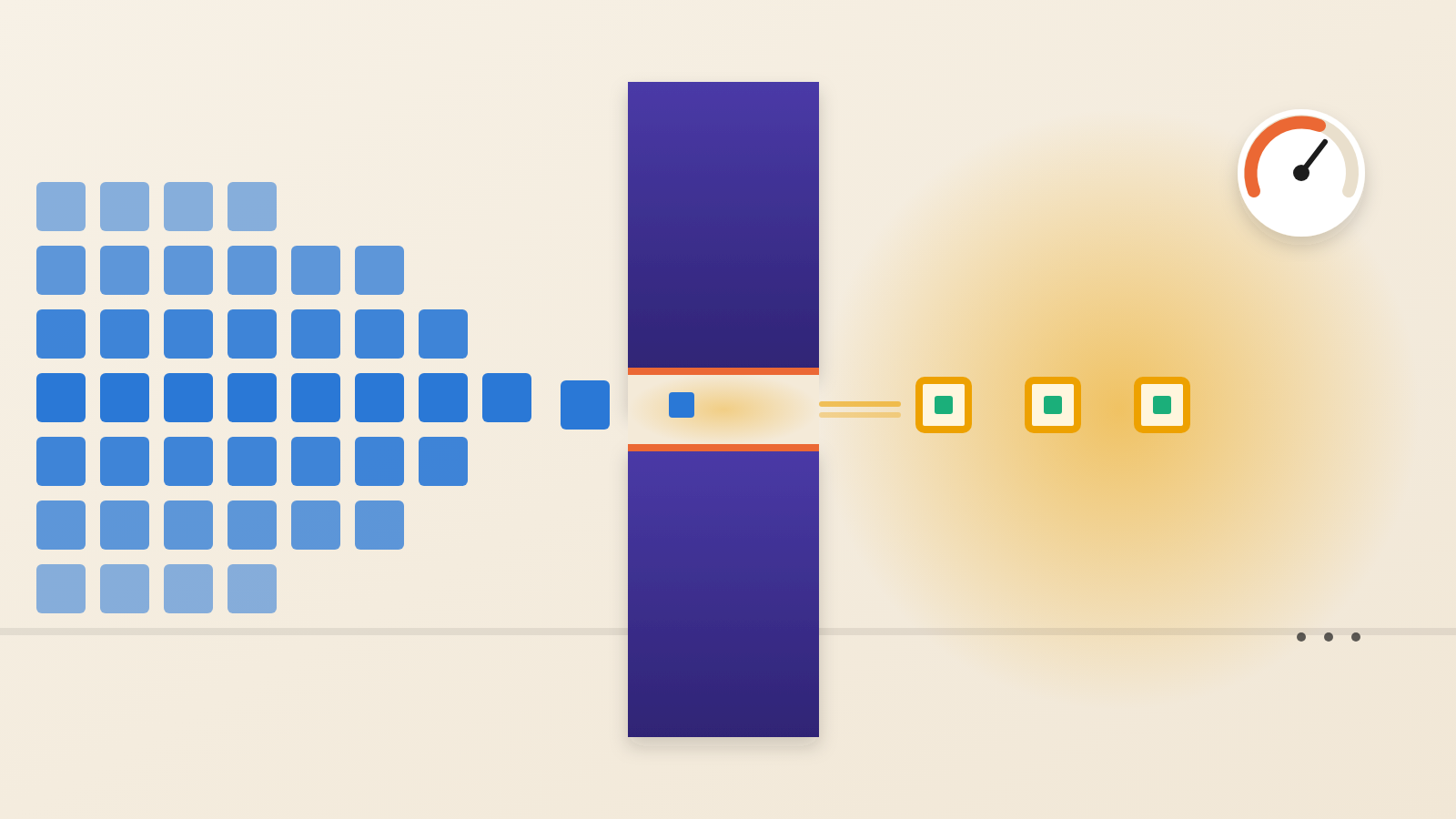
- Anthropic built Scion on the view that its clients are agents that are always online, so the server does the heavy work.
- Theo argued that a hard API boundary stops agents from improvising slow workarounds, though he said Scion is not a general replacement for Git.
Anthropic's Scion source control assumes agents are always online and keeps them behind a fixed API. Theo made this point on his show, Theo - t3.gg. He was walking through Anthropic's account of Scion, its in-house source control system.
What was said
Git lets every copy of a repository act as a full server. That suits people who work offline. Anthropic found it did not suit its own load. Theo read out that the company ran several hundred internal Git mirrors, and they strained as the repository grew.
In Theo's reading, Anthropic's post said that "nearly all of our clients were agents in jobs that are online by definition." So Scion moves the work to the server. The server answers history questions, creates commits and runs merges. The client keeps a small cache and fetches data when it needs it.
Every query the client uses is also open through an API. Many jobs, such as CI checks, then need no local copy of the repository at all.
Theo added a point about behavior. "When you give Claude access to the internals of something, it will invent some crazy novel and also crazy slow" fixes, he said. In his view, a hard API boundary prevents that, which he called almost certainly a huge benefit.
Why it matters
Our reading: the lesson reaches beyond source control. If agents are your main users, the question is what you let them touch. Handing over internals invites costly improvisation. Offering clear API answers to the questions they ask, Theo's argument implies, keeps their behavior more predictable.
Theo also noted that a company can improve what sits behind an API without asking every client to change. With Git, he said, adding something new means upending everybody's setup. Buyers can ask a related question of vendors: does the product answer agents' questions through an API, or does it expect a full copy?
The other side
Theo said Scion is "in no means a suitable replacement for Git and general use." This is one company's internal system, described through its own blog post.
The design also has a cost. The client can compute very little alone, so it depends on a server that is always reachable.
The post also described migrations in which agents took shortcuts that engineers had to catch. In several systems, agents read the commit log line by line to find when a change merged, instead of asking the code review tool. The post said engineers very often had to tell Claude no. The excerpts do not show the API boundary stopping such cases.
Nothing in the excerpts tests whether this logic holds for the wider web.
Written by the WebPulse Newsroom with AI assistance, and checked by our editorial review: every quotation was verified against the recording's transcript. How we use AI.
The conversation this talking point comes from
- Theo - t3.gg: Anthropic Rebuilt Git (yes really) (2026-10-16)