- A speaker described an agent design in which writes and sensitive actions pause for human approval, and every outcome is logged.
- Our reading is that this moves the person from doing work to judging proposals, so review quality becomes the control.
Human approval of risky agent actions turns a person into a reviewer, and the safeguard is only as good as that review. The design behind this comes from a speaker on the AI Engineer show, in an episode featuring Harish Gaggar of Intuit Credit Karma. The talk covers how the company runs governed AI agents in production.
What was said
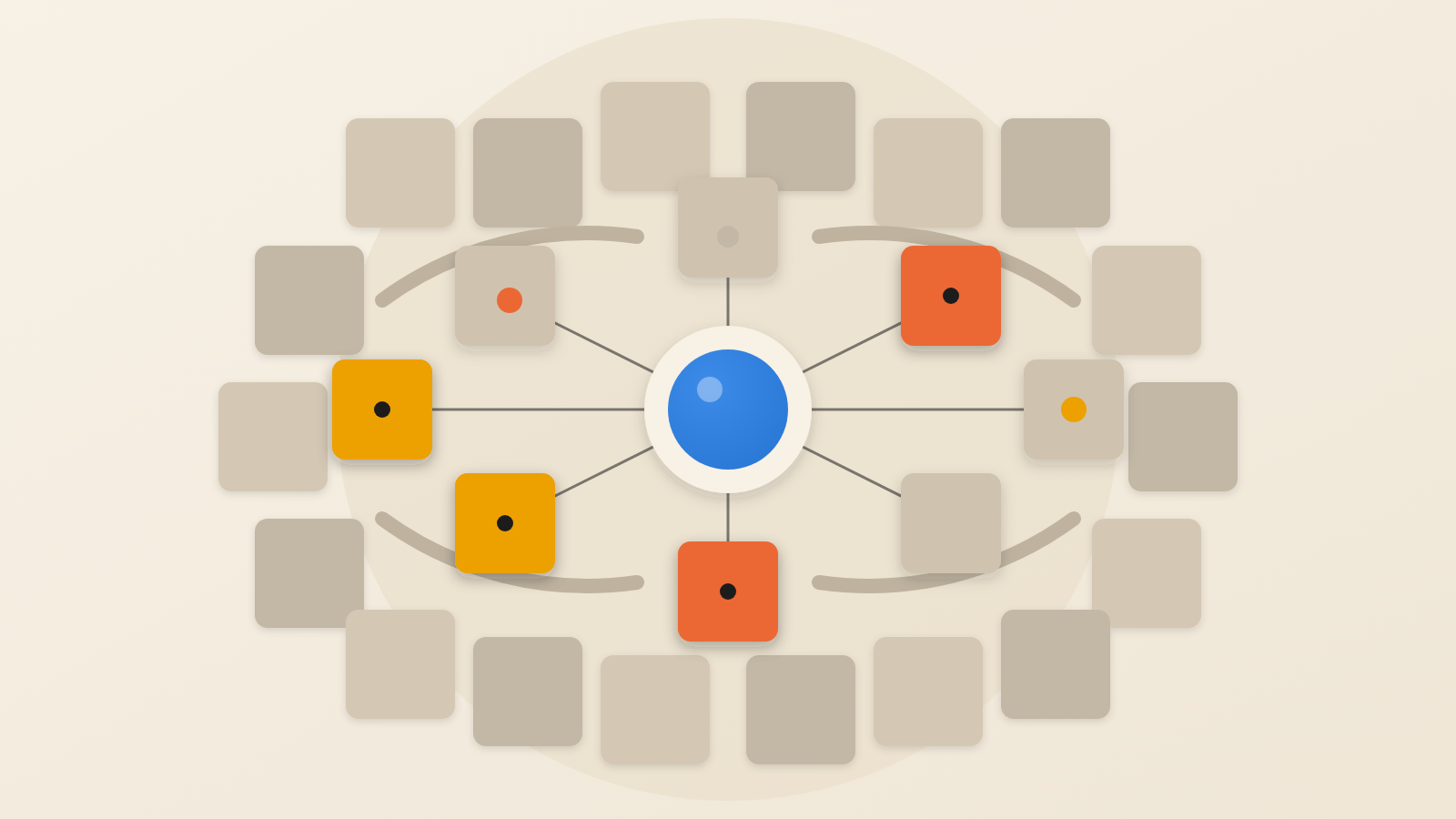
The speaker walked through how one agent request is handled. The agent first reads the question and classifies it. Is it a read, a change, a deletion, or some other sensitive operation? The type of request shapes the plan that follows.
Tool calls then go through a central gateway that checks who is asking. After that, the policy check decides the path. Read-only requests run straight away, and the record goes to an audit log.
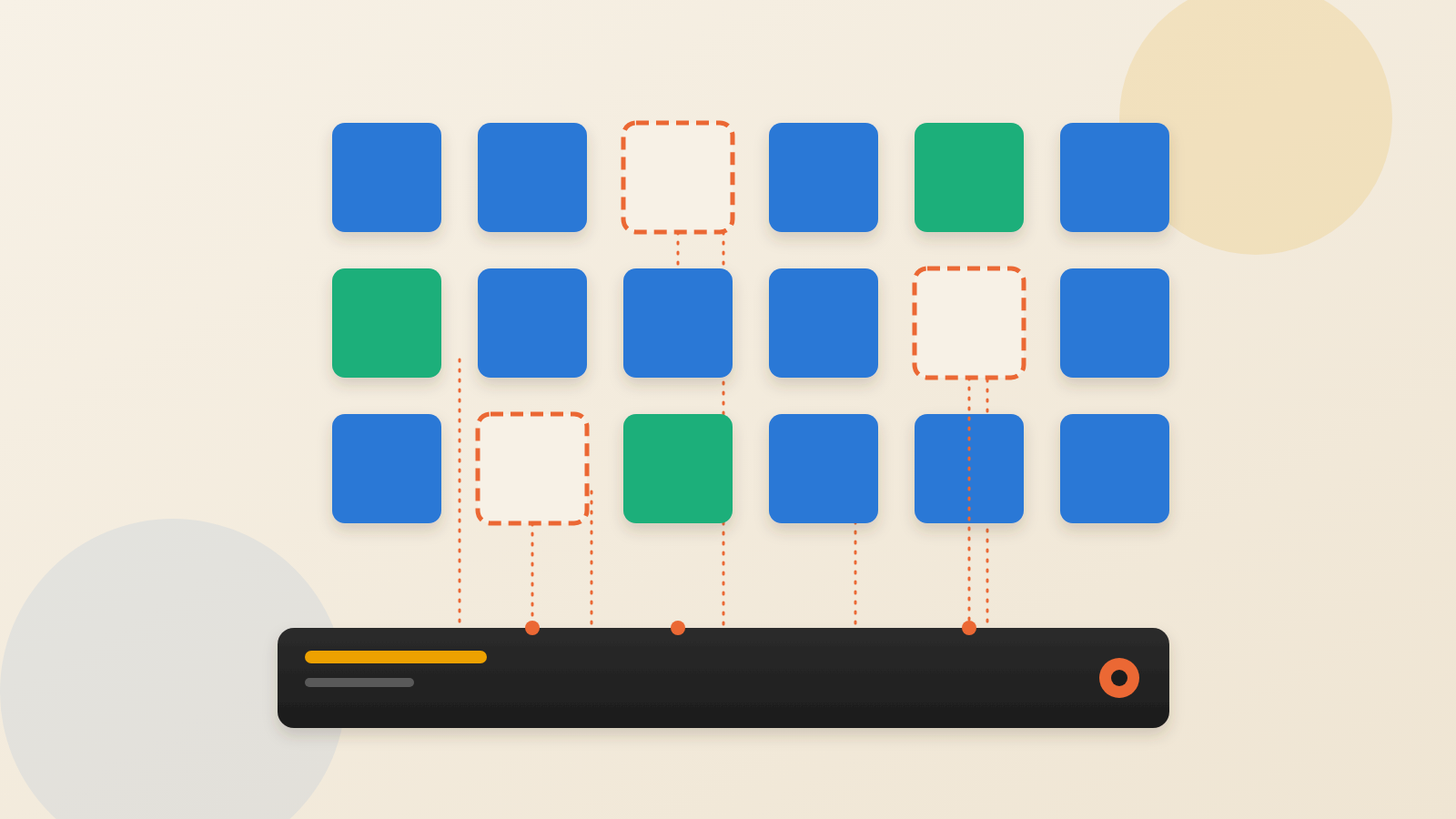
Writes and sensitive operations take another route. The speaker said they go through a human-in-the-loop step, where the system waits for approval. If the request is approved, it runs. If it is rejected, it does not. Either way, the outcome is saved to the audit log.
The closing advice was blunt. A speaker on the show said to "keep the always human in the loop process" for high-risk items. Another line framed the wider stance: "the AI agent cannot be trusted without continuous monitoring, evaluation, and feedback".
Why it matters
Our reading goes one step past the talk. In this design the agent drafts the action, and a person decides whether it goes ahead. The person no longer does the work. The person judges the proposal.
That makes the approver a control, like a firewall rule. If the approver rubber-stamps requests, the gate gives little protection, even though every outcome is logged.
For managers, this means deciding who gets approval rights and what they need to see before saying yes. It also means asking how those people learn the work, if the agent now does the routine tasks that once built their judgment.
The other side
The talk does not say how approvers are chosen, trained or measured. It does not say how often requests are rejected, or whether reviewers can keep up as volume grows. Those questions are ours, not the speaker's.
Here is a caveat of our own: a log of outcomes cannot show whether the judgment behind them was sound. The speaker also tied trust to monitoring, evaluation and feedback, so approval is one layer among several, not the whole defence.
It is therefore an open question whether human review stays meaningful at scale. The talk offers a sound gate. It does not show that the people behind the gate are ready for the job.
Written by the WebPulse Newsroom with AI assistance, and checked by our editorial review: every quotation was verified against the recording's transcript. How we use AI.
The conversation this talking point comes from
- AI Engineer: Paving the Road to Production: Governed Enterprise AI Agents — Harish Gaggar, Credit Karma (2026-10-14)