- Tencent will shut its Yuanqi agent platform on November 9, 2026. Agents published to WeChat channels will stop answering users, and data can be exported until January 9, 2027.
- Building an agent on a vendor's platform is a tenancy, not ownership. Logic, channel and conversations depend on the platform; an export is not a working agent.
- Leaders should list which agents depend on third-party platforms, check what each export actually contains, and test whether an agent can run elsewhere.
An AI agent feels like something you own. You wrote its instructions, shaped its answers and sent customers to talk to it. Tencent's decision to close its Yuanqi platform shows how much of that feeling is borrowed.
What Tencent announced
Tencent will retire Yuanqi, a service that let people build AI agents without code and publish them to its channels. According to Pandaily, a notice dated October 8 sets the end of service at November 9, 2026. Tencent cited "business adjustments" and gave no further reason.
The shutdown comes in stages. From October 29, users cannot create new agents or get new API keys. Existing agents keep working until the cutoff.
How the shutdown works
When the cutoff arrives, four things go dark at once: app access, reading and writing of data, API calls and the developer console. An API is the connection other software uses to call a service. Anything that reaches Yuanqi that way loses the link on that date.
Yuanqi's own agent pages will stop displaying. So will the agents it had pushed out to other channels. A business that placed a Yuanqi agent behind its WeChat Official Account, Service Account or customer-service desk will find it silent, according to Pandaily.
Before the cutoff, a built-in tool saves local copies of agent settings, workflows and chat records. A grace period follows. Until January 9, 2027, users can log in to a separate console only to download backups.
After January 9, Tencent says it will erase user data. It will keep only the logs and records that the law requires it to hold.
An agent is a tenancy, not a possession
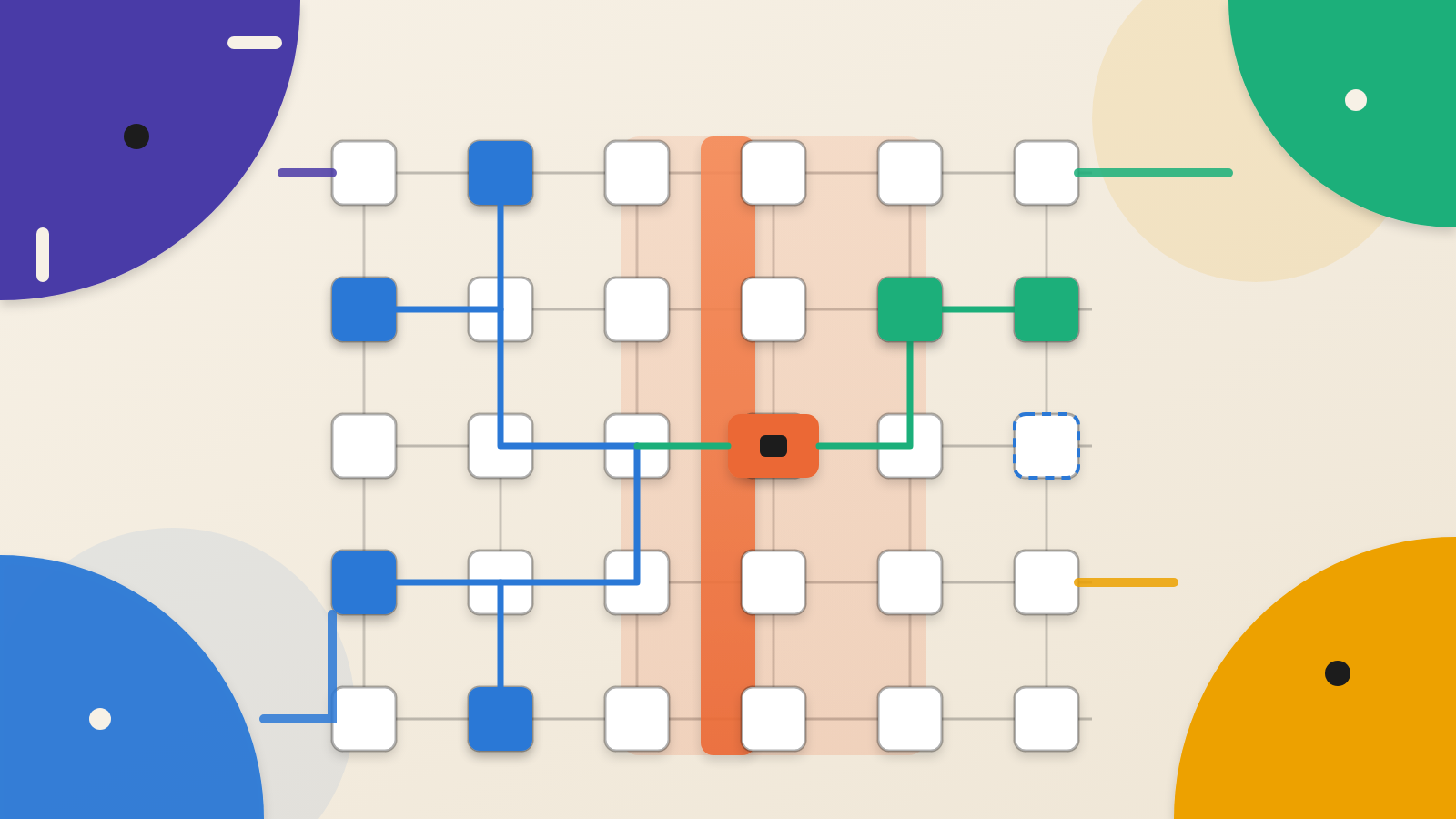
The lesson here is simple. When you build an agent on a vendor's platform, three things live in the vendor's building. The first is the logic: your prompts, plugins and workflows. The second is the address: the channel where customers find the agent. The third is the memory: the conversations it has had.
Tencent's notice switches off the channel and the running agent on November 9. It also starts the clock on deleting the logic and the conversations, which users can export until January 9. Think of a shop in a mall that closes. The landlord can hand you the floor plans. It cannot hand you the foot traffic.
Pandaily points to who is exposed. Yuanqi gave small businesses and content creators a way to place a chatbot inside WeChat accounts, and that route is closing. Small operators that let a bot field customer questions must find a replacement in roughly four weeks, or messages will go unanswered. That is a shop owner reworking a customer service desk on a short clock, not an engineering team planning a migration.
What the export does and does not tell us
The export covers configurations, workflows and conversation records. That is useful. It means the work is not erased on day one.
The report does not say whether an exported workflow can run on another platform. A backup is not the same as a working agent. A file you cannot load anywhere is an archive, not a migration path.
The conversation records raise a separate point. They may hold customer information, and Tencent says it will delete user data from January 9. Legal and privacy teams should decide what to keep and where, before the console closes.
A shift in where Tencent puts its effort
Pandaily points to where Tencent's attention has gone. It names WorkBuddy, an office agent, and a series of specialised agents built into Tencent's own apps. These are products Tencent operates directly. The report adds that Tencent has not said whether anything will replace Yuanqi as a way to distribute agents.
Tencent gave only "business adjustments" as its reason, so we cannot say why it made the change. This is one platform and one notice. It does not show a pattern across the industry. It does show what a single-vendor dependency looks like when the vendor changes course.
What to ask your team
Start with an inventory. Which of our agents, chatbots or automations run on a platform we do not control? For each, who answers customers if it goes dark?
Then check the exit. What does the export contain? Has anyone loaded it into another tool and confirmed the agent still behaves as it should? Which channel does the agent depend on, and can a replacement reach the same customers?
Finally, check the contract and the notice period. Ask what happens to your data and your API keys if the vendor ends the service. Tencent's users got about four weeks.
A backup of an agent is a blueprint, not a business. Know which one you are holding before the notice arrives.
Produced by the WebPulse Newsroom with AI assistance from the original reporting credited below, and checked against that source by our editorial review. How we use AI.
Original reporting: Pandaily.