- Melanie Warrick of Temporal said constant approval requests lead people to say yes without thinking. She told builders to weigh the cost of being wrong against that fatigue.
- Durable pausing makes asking a human cheap for builders. That may be why prompts multiply, and why each one should earn its place.
Melanie Warrick, who works in developer relations at Temporal, said in a talk on the AI Engineer show that constant approval prompts lead people to say yes without thinking. Her advice to agent builders was to weigh the cost of being wrong against the risk of alert fatigue when deciding where to involve a person.
What was said
Most of the talk was engineering. Her demo had an agent halt mid-task to wait for a person, then carry on, even if the wait lasted weeks.
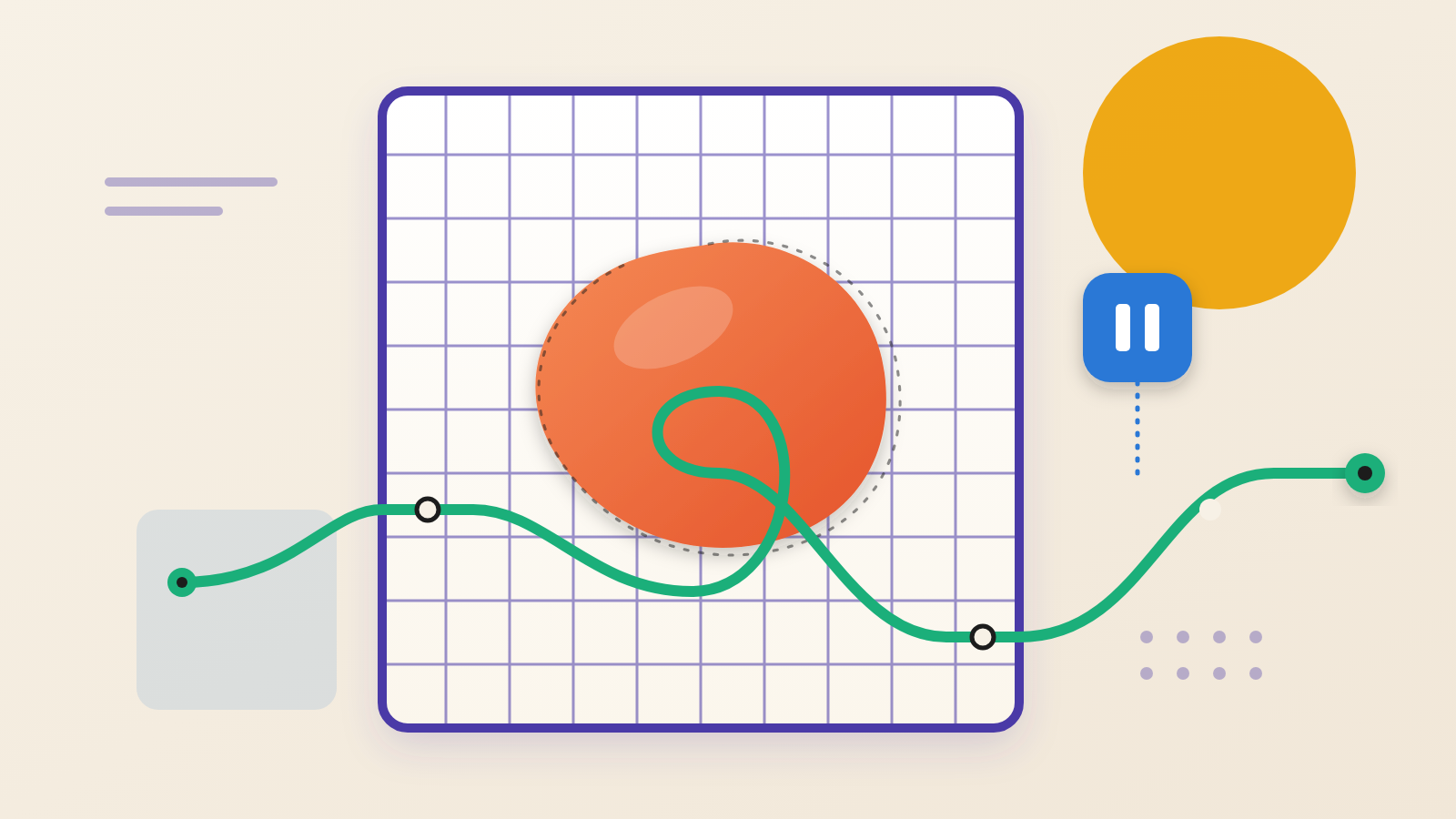
The mechanism, in plain words: the agent reaches a wait condition, which freezes its workflow. The human's answer arrives later as a signal, a message telling the work to resume. Temporal logs each step. After a crash, the system replays that log. As she put it, "your event log is getting replayed it's not redone." She killed the worker mid-approval, restarted it, and lost no work.
Near the end she turned to a harder design question: where does a person belong in the process? She called it the real question and said the answer is case by case. Her main test is what a mistake would cost, and security raises the stakes.
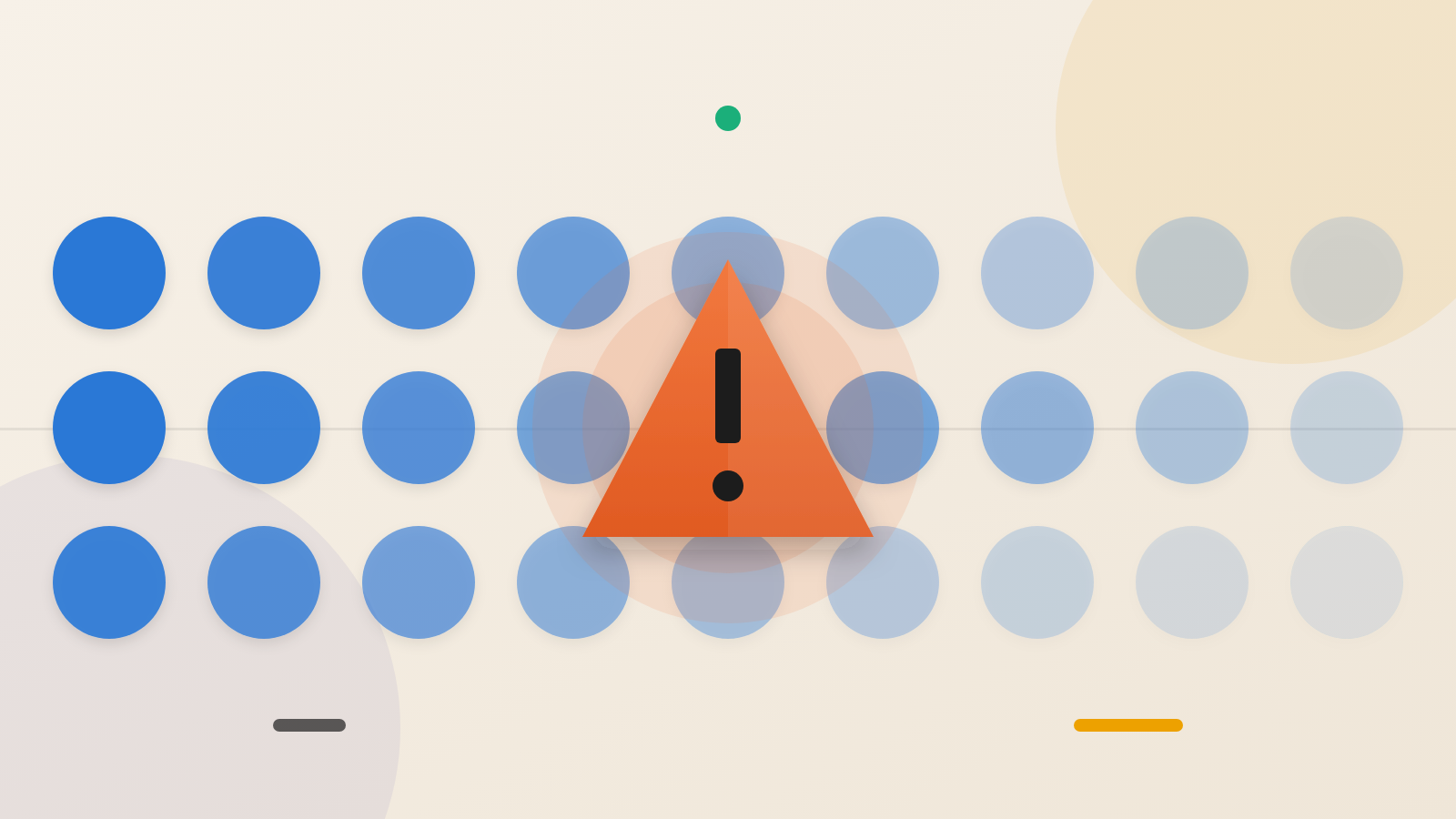
She then named the opposing pressure. Models are probabilistic, meaning their answers vary, so they are hard to make reliable. But she said "alert fatigue is real," describing people who answer yes to every request. Builders must balance the two, she said, while trying to make models trustworthy enough to ask less.
Why it matters
Our reading: durable pausing makes it cheap for builders to ask a human, which may be why prompts multiply. Warrick did not say this. It is our inference from her two points.
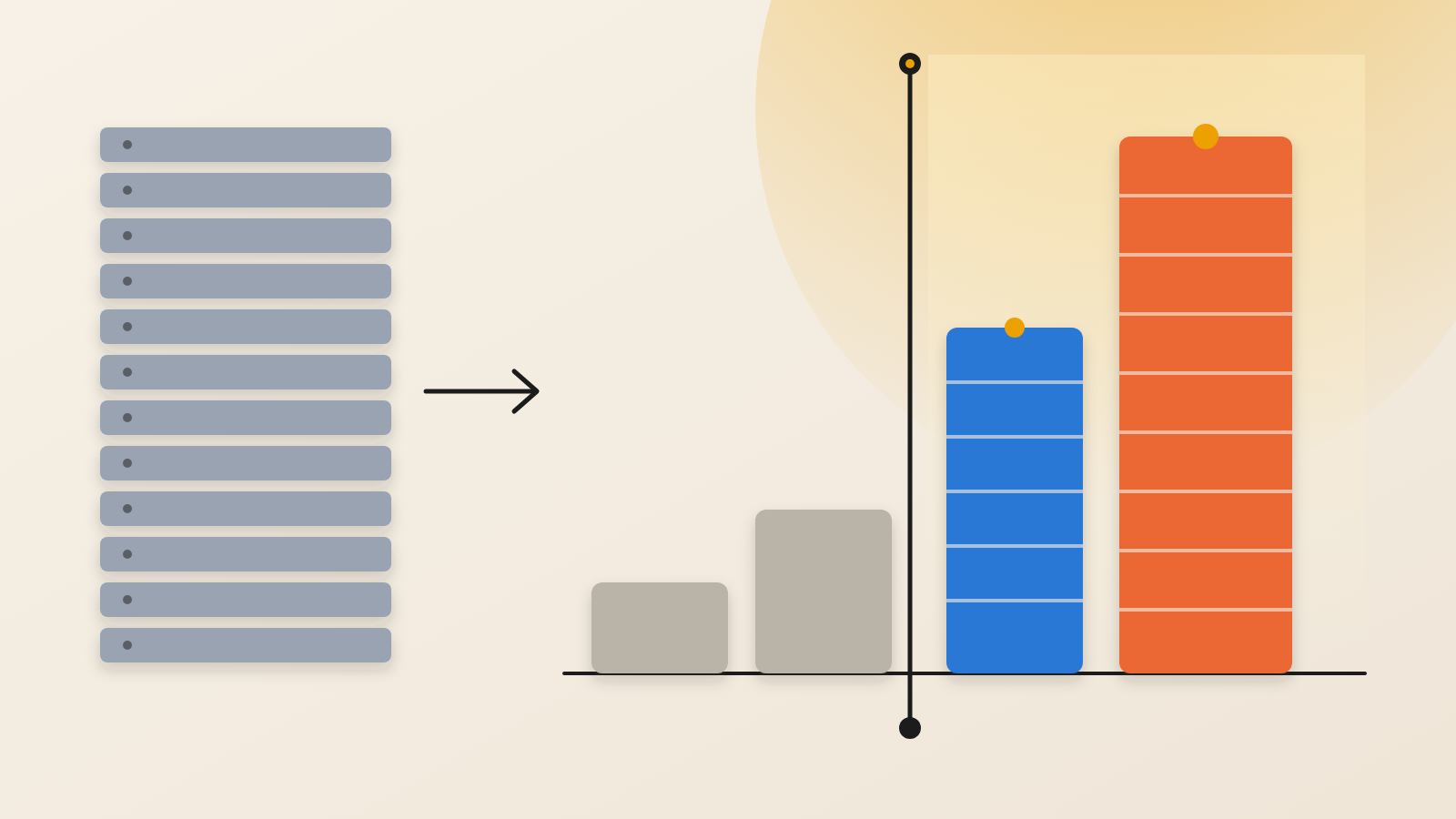
We would add that an approval is a skill, not a checkbox. Judging whether an agent's action is safe takes attention, and that attention may wear thin when most requests are routine. A prompt guarding a low-risk step spends attention that a high-risk step could need later. Sorting actions by the cost of a mistake looks like a design task, not a default setting.
For managers and buyers, a log full of human approvals proves little by itself. A better question for a vendor is how often the agent asks, and what a person sees when it does.
The other side
Warrick gave no rule, threshold or data. She said only that a lot of people are seeing alert fatigue. Her remark is an observation, not evidence of how common it is. She also offered no test for spotting when approvals have become automatic.
Her own way out is better models, so people can trust them and be asked less. She conceded that models remain probabilistic. Asking less means trusting an unreliable system more, and the talk left that tension open. It was also a brief closing note in a talk about durable agent design, not its main argument.
Written by the WebPulse Newsroom with AI assistance, and checked by our editorial review: every quotation was verified against the recording's transcript. How we use AI.
The conversation this talking point comes from
- AI Engineer: The Human Is an Async API — Melanie Warrick, Temporal (2026-10-04)