- Flywire built Orbit to keep routine steps in code and call a model only where reasoning is needed, with permissions declared in YAML that goes through merge request review.
- The speakers said sandboxing and online evaluation are unfinished, and people still approve every merge request, so this is one company's early design.
Flywire is trying a simple rule for agents: keep routine steps in ordinary code and bring in a model only for judgment. Eduardo Simon and Javier Casal of Flywire laid this out on the AI Engineer show. They described Orbit, an internal platform for engineering workflows.
What was said
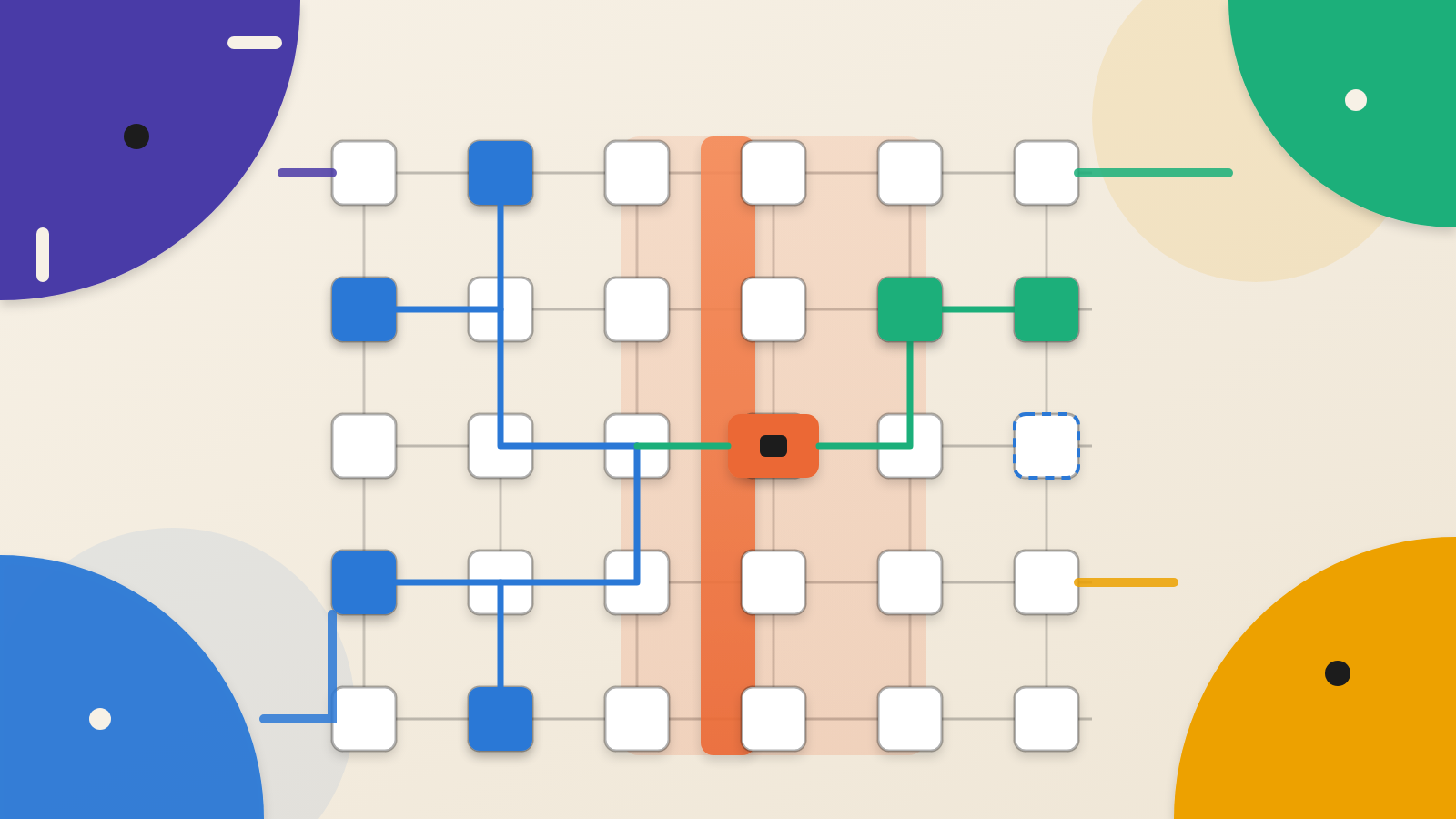
The speakers said the core choice is to turn repeated procedures into code, so the model gets one narrow job. In their words, "We call a model only where reasoning is actually needed." Their example was code review. Fixed steps fetch the merge request, rate its risk and copy the repository. A model step then reads the code but cannot change it. Fixed code posts the findings.
Two mechanisms keep that model step in check. Each reply must follow a strict JSON schema, a fixed template for the answer. If a reply fails the check, Orbit retries or falls back before moving on. Permissions are declared in the YAML file, a plain-text format. That file goes through the same merge request review as other code, so the access is "visible and reviewable like any other code." The team also split orchestration, the agent runtime and session state into separate parts, which they said improves isolation.
A workflow can start from an API, a command-line tool, webhooks from GitLab, Jira, Sentry and AWS, or a schedule. The team is building an MCP server, a standard way for AI tools to call other tools. An engineer could then ask Claude in Slack to run a workflow. They said coding agents can read and write YAML as easily as people.
Why it matters
Our reading: the question for buyers is less whether a tool uses AI than where the model sits and what it may touch. Flywire's answers live in files its own engineers can review. The same files also make the work readable to other agents and tools.
The speakers also named a risk of scale. A broken integration could start thousands of agents, so Orbit uses timeouts, rate limits and concurrency control.
The other side
This is one regulated company's internal platform, not a general pattern. The speakers said sandboxing is incomplete: "This is not full sandboxing yet." Online evaluation does not exist yet either, though work is underway. New agents usually reach production after a "vibe check" on a few real cases.
The MCP server is still being built. People still approve every merge request, which the speakers linked to their regulated setting. The talk does not show how Orbit performs without that human step. It also gives no cost comparison.
Written by the WebPulse Newsroom with AI assistance, and checked by our editorial review: every quotation was verified against the recording's transcript. How we use AI.
The conversation this talking point comes from
- AI Engineer: Agents in Orbit: Workflows, Not Autopilot — Eduardo Simon & Javier Casal, Flywire (2026-10-12)