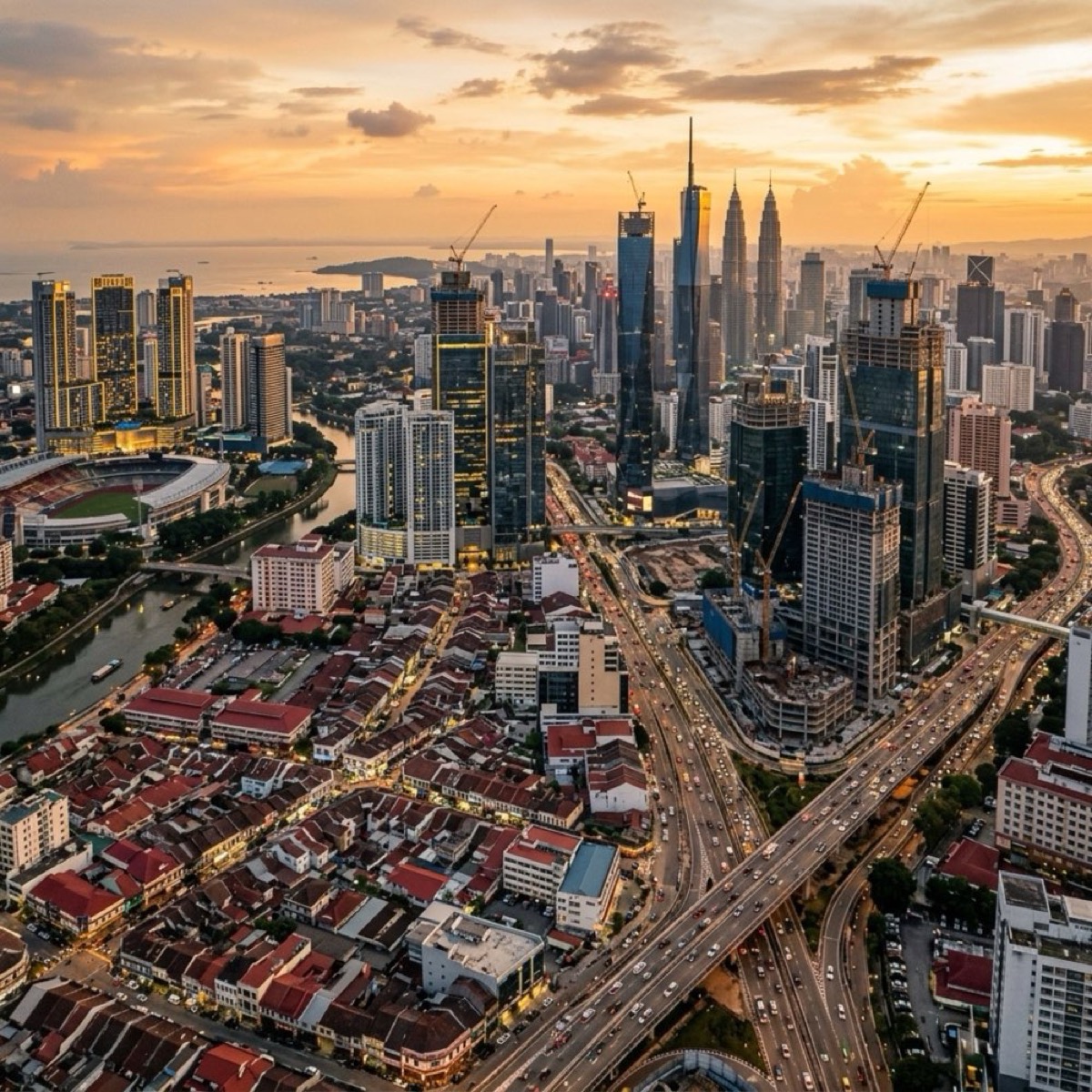
SE Asia internet economy: $300B+ (2025) (Source: Google/Temasek/Bain e-Conomy SEA report. Growing 20%+ annually.)
The Scale of What's Coming
Southeast Asia's digital economy is projected to exceed $300 billion. Hundreds of millions of people are coming online. Millions of businesses are building their first websites. The framework choices being made right now will define the region's digital infrastructure for decades.
The WordPress Default
Currently, WordPress dominates Southeast Asian web development. The reason is the same as India: freelance marketplace economics. WordPress tutorials are abundant, hosting is cheap, and freelancers list it as their primary skill because that's what clients request.
This isn't an informed technology decision. It's the path of least resistance. And every WordPress installation made today is a legacy liability that the business will carry for years.
The Singapore Exception
Singapore's GovTech proves that modern infrastructure is achievable in the region. Their government services are cloud-native, API-first, built on modern frameworks. Singapore shows what's possible — the question is whether the rest of the region will follow the Singapore model or the WordPress default.
The Leapfrog Opportunity
Southeast Asia has an advantage that the US and Europe don't: most of its digital infrastructure hasn't been built yet. There's less legacy to migrate away from. The choice is greenfield, not brownfield.
Astro deploys to free-tier CDN hosting. Hugo builds in milliseconds. Next.js runs on Vercel's generous free tier. The barrier to modern frameworks is not cost — it's awareness and education.
The organizations and educators who reach Southeast Asian developers now — with modern framework training instead of WordPress tutorials — will shape the region's digital infrastructure for a generation.