- SingGuard-NSFA, an open-source project released this week, offers four guardrail models (0.8B to 9B parameters) that protect AI agents against threats to confidentiality, integrity, and availability.
- Agents inherit the flaws of pages they read, and the article cites 1,637 actively exploited vulnerabilities and 18,005 recorded WordPress CVEs, but no independent test shows the models work.
- Executives weighing agent deployments should treat guardrail coverage as one input, alongside the known vulnerability profile of the content and systems the agent will touch.
A Filtering Layer for Machines That Read the Web
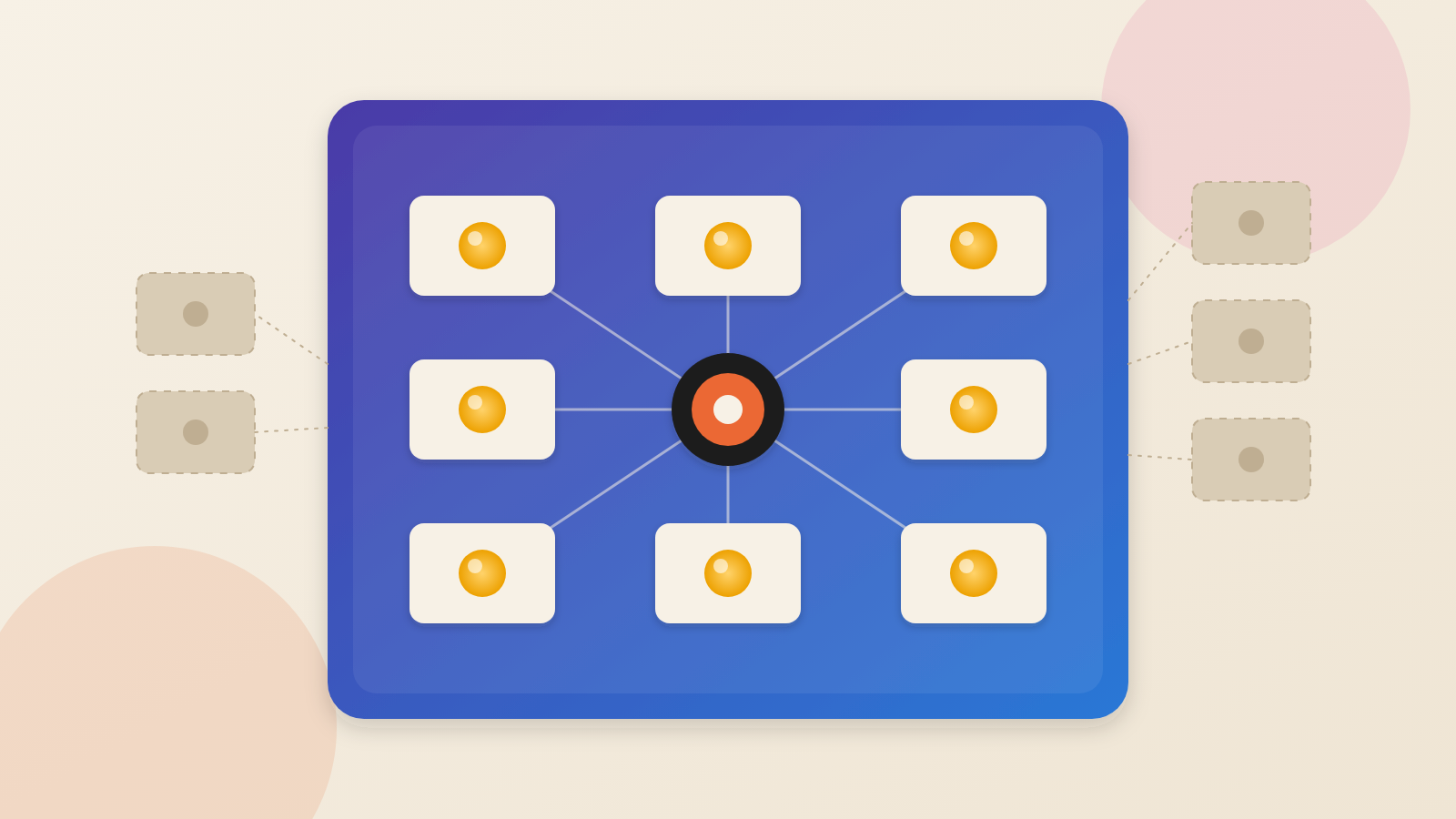
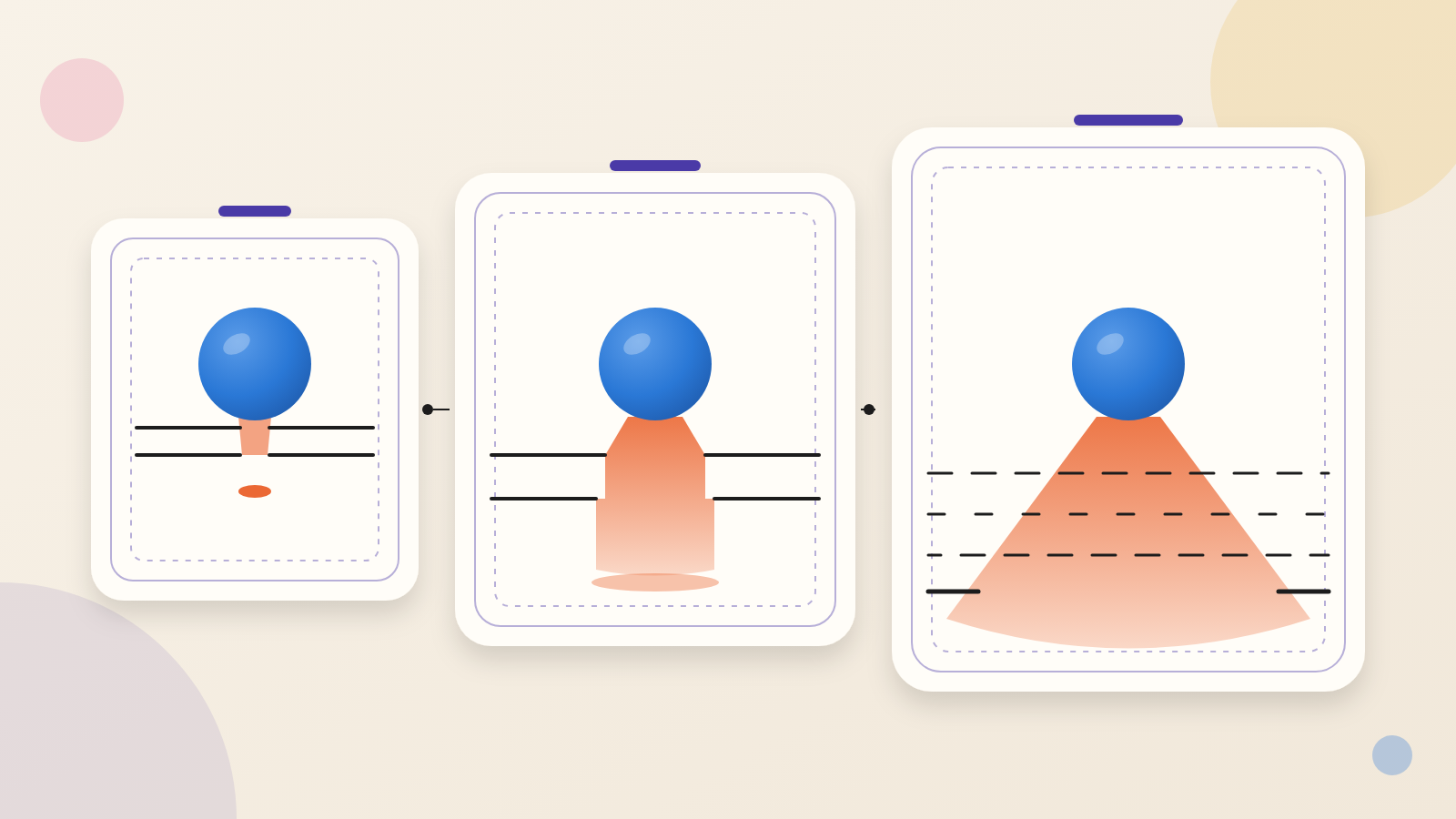
An open-source project called SingGuard-NSFA released this week, offering a guardrail framework built specifically for AI agents rather than the humans who used to be the web's only audience. The project ships four models — 0.8B, 2B, 4B, and 9B parameters — all built on Qwen3.5 base backbones, giving teams a choice of footprint depending on whether the guardrail runs on a phone, a server, or inside a larger orchestration pipeline.
What makes the release notable for budget owners isn't the model math — it's the taxonomy underneath it. SingGuard-NSFA organizes agent-facing threats along the CIA triad: confidentiality, integrity, and availability. That is a deliberate borrowing from decades-old enterprise security doctrine, applied for the first time to a new kind of actor: an AI agent that reads, clicks, and acts on web content on a person's behalf, without a person watching each step.
Why the Timing Lines Up
WebPulse's standing thesis is that the web is being re-plumbed for machine consumption faster than most site owners realize, and that AI acting as an intermediary is a risk multiplier rather than a neutral convenience. An agent that fetches a page, parses its markup, and follows instructions embedded in that markup inherits every vulnerability sitting in the page it just read. A guardrail model is only useful because that inherited exposure is measurable today, not theoretical.
Neither figure is specific to SingGuard-NSFA. They describe the general population of exploited and high-probability flaws that any content-parsing agent can encounter while browsing detected sites — the exact surface a CIA-triad guardrail is meant to sit in front of. The connection is structural, not causal: agents don't create these vulnerabilities, but they do give attackers a new delivery path into them, since an agent's job is to read and act on whatever a page contains.
The Legacy Surface Agents Still Have to Parse
Part of what an agent-facing guardrail has to contend with is the accumulated weight of older content-management systems still running in production. WordPress, the largest single framework in WebPulse's detection sample, carries 18,005 recorded CVEs in the NVD/NIST database as of this year's collection — the product of two decades of plugin and core disclosures, not a judgment on its current security posture. That volume matters here for one reason: it is a large share of the markup, forms, and embedded scripts an agent will actually encounter while operating on a user's behalf.
Set against that backdrop, a purpose-built guardrail model is a defensive layer arriving for a problem that already exists rather than one being anticipated. WebPulse's scan sample isn't evidence that SingGuard-NSFA works — no independent test of the models accompanies this release — but it does establish the scale of the environment such a guardrail would need to operate across if adopted broadly.
What This Means for the People Signing Off on Agent Deployments
For executives evaluating whether to let AI agents act on company systems or public-facing content, the practical takeaway is narrower than the headline. SingGuard-NSFA is one open-source release, at four model sizes, with a stated taxonomy — not a certified standard, and not yet independently benchmarked against the incident data it aims to address. The more durable signal is directional: security teams are starting to build for agents as a first-class actor on the web, with the same rigor once reserved for human-facing browser security. Any evaluation of agent tooling should treat guardrail coverage as one input alongside the known vulnerability profile of whatever content or systems the agent will actually touch.
Produced by the WebPulse Newsroom with AI assistance from the original reporting credited below, and checked against that source by our editorial review. How we use AI.
Original reporting: helpnetsecurity.com.