Japan median developer age: ~42 years (Source: Stack Overflow Developer Survey 2024, Japan respondents. One of the oldest developer populations globally.)
The Demographic Signal
The pattern is uncomfortable but consistent: countries with older developer populations run more legacy. Countries with younger developer populations build more modern — at least in their funded tech sectors. Japan's 84% WordPress at 126,788 detections isn't because Japanese developers lack skill. It's because an established workforce maintains the infrastructure it built, and the framework they learned was WordPress.
The Pipeline Effect
New developers learn what's current. In 2026, that's React, Next.js, and TypeScript. They don't learn WordPress plugin development. The coding bootcamps in Lagos, Bangalore, and Sao Paulo teach modern JavaScript. When these developers enter the workforce, they build modern. When they freelance, they build WordPress — because clients ask for it — but their personal projects and startup work use modern frameworks.
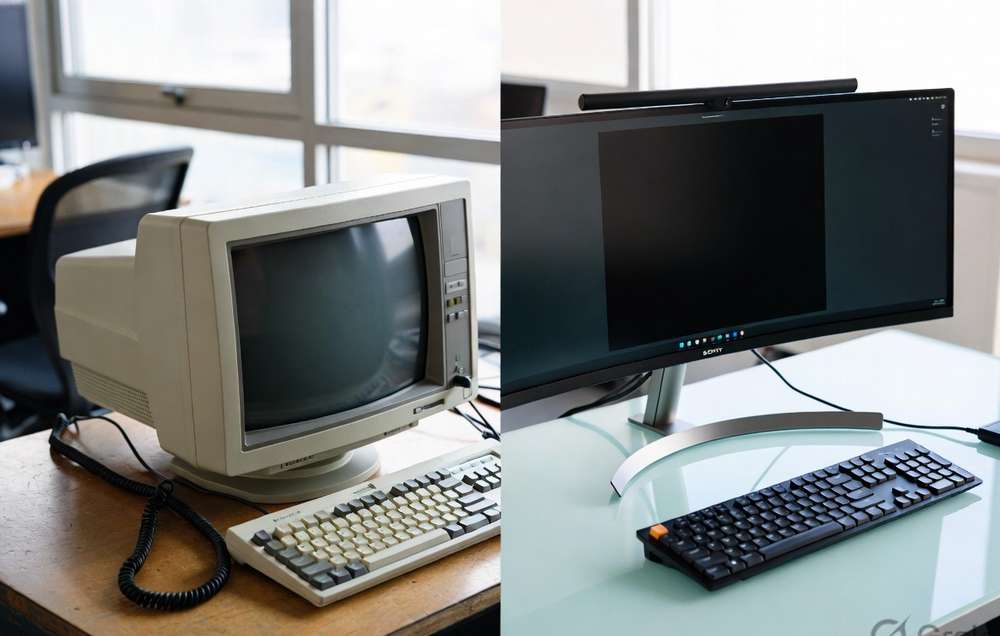
The .dev TLD (54% Next.js) vs the broad web (74% WordPress) captures this generational split. When developers choose for themselves, they choose modern. When they build for the market, they build legacy. The market is a generation behind the workforce.
The Migration Bottleneck
Germany (median developer age ~38, Source: Stack Overflow): 79% WordPress on .de. The German Mittelstand built its web on WordPress a decade ago. Migrating requires developers who know both the legacy system and the modern target. Those developers are rare and expensive. The demographic structure — experienced WordPress developers retiring, new developers learning React — creates a migration bottleneck: the people who understand the old system are leaving, and the people who know the new system can't maintain the old one during transition.
The Prediction
If the developer pipeline IS the framework pipeline, then the countries producing the most new developers will modernize fastest — not because of policy or investment, but because the talent entering the market only knows modern tools. India, Nigeria, and Brazil have the youngest and fastest-growing developer populations. Their broad web is 83-97% WordPress today. Give it five years. The pipeline will reshape the landscape from the bottom up.