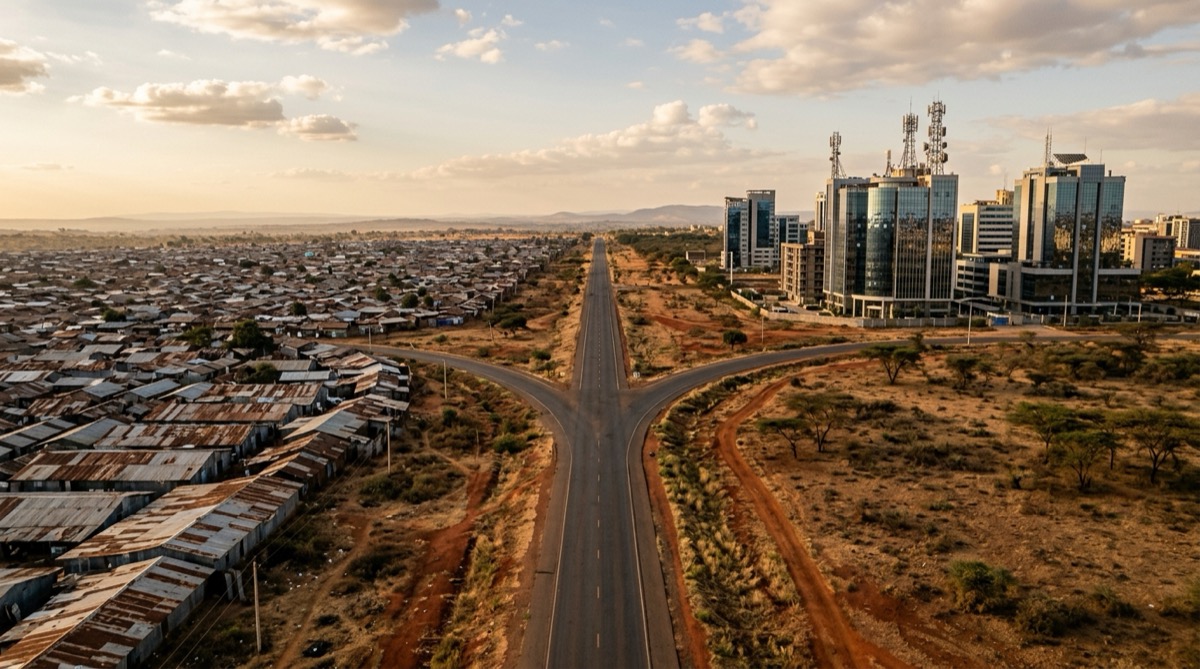
Kenya (.ke): 82% WordPress, 7.5% Shopify (1,849 detected) (Source: WebPulse Common Crawl scan, 7.37M+ detections. 1,518 WordPress, 138 Shopify.)
The Data
Kenya has 7.5% Shopify and framework diversity — Joomla (4.4%), Next.js (2.5%), Drupal (1.7%), Django (1.1%). Nigeria is 97% WordPress with essentially nothing else. Same continent, same general economic tier, radically different web infrastructure.
Kenya's Ecommerce Signal
M-Pesa — Kenya's mobile money revolution — created a digital payment infrastructure that other African markets don't have. When Kenyan businesses go online to sell, they have payment rails that work with Shopify. Nigerian ecommerce runs through different channels — marketplaces like Jumia, WhatsApp commerce, bank transfers. The web framework follows the payment infrastructure.
What This Means
Nigeria's 97% WordPress monoculture is a systemic risk. Every WordPress vulnerability is a national-scale event. Kenya's diversity — even modest diversity at 82% WordPress — provides fallback infrastructure. When WordPress has a critical CVE, 18% of Kenya's detected web is unaffected. In Nigeria, 97% is exposed. Same continent, different risk profiles.