Google's 2024 investment in Flipkart: About $350 million (Source: TechCrunch, reporting on Google's minority stake in Flipkart)
Google is piloting a purchase button on select Flipkart product listings inside Gemini and AI Mode in India, moving its AI assistants from product discovery toward the transaction itself, TechCrunch reported. For organisations that sell online, it is an early signal that a major AI platform wants checkout to happen inside its own interface rather than on the retailer's site.
What the test involves
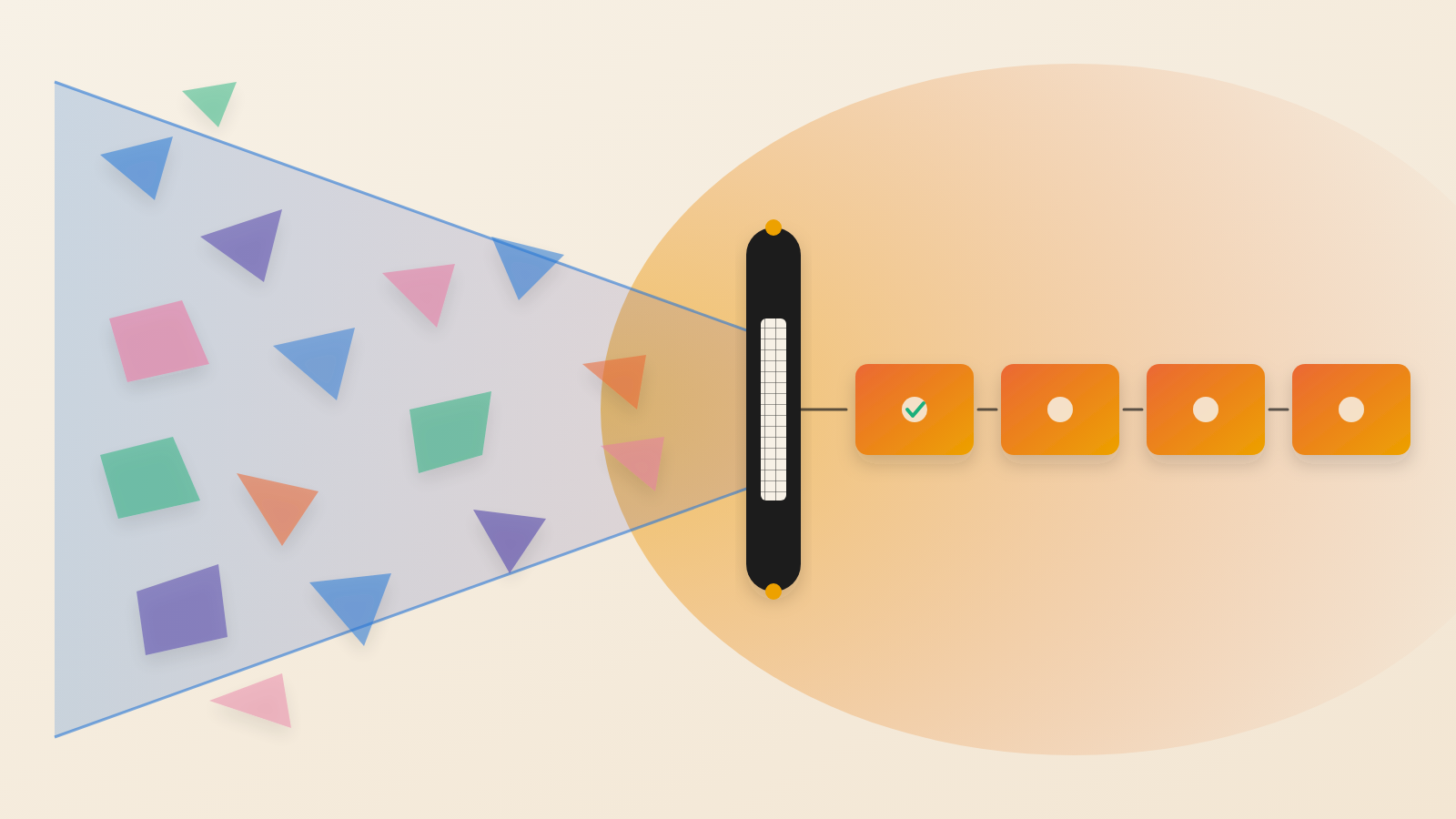
A subset of Gemini and AI Mode users in India are seeing a Buy control attached to certain Flipkart listings. Selecting it launches Flipkart's own checkout screen inside the AI app, so the shopper does not switch to a browser or the Flipkart app — a flow TechCrunch says it verified through people familiar with the rollout and by observing the experience directly. The coverage is narrow for now: TechCrunch's sources named smartphones, electronics and mobile accessories as the categories included. Everyone else browsing Flipkart listings in Gemini still sees standard product cards with no purchase option attached.
One of TechCrunch's sources said Google plans a broader rollout later in October, ahead of India's festive shopping season. Google told TechCrunch that it regularly runs experiments and had no further details to share.
What is not yet clear
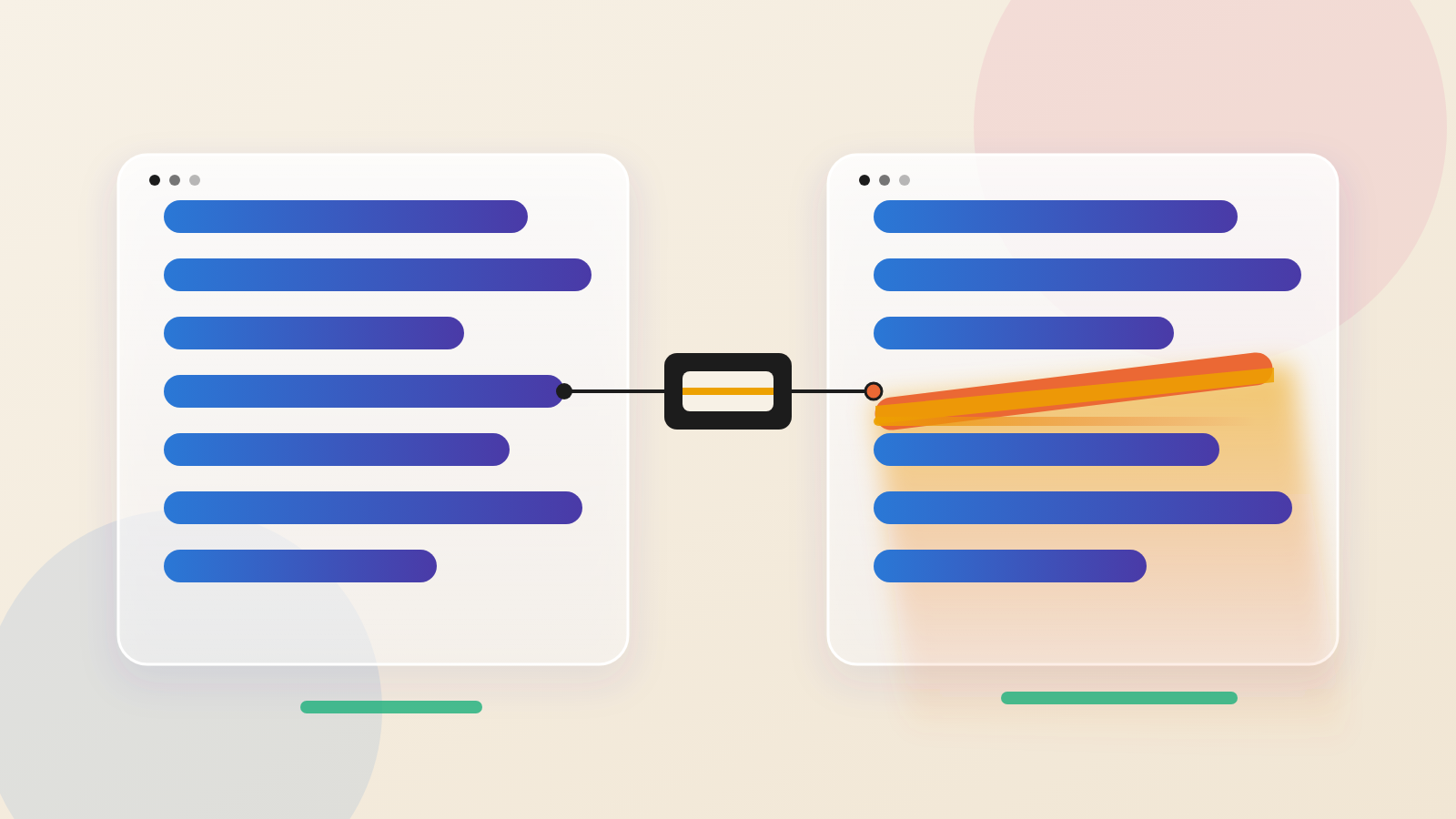
How the integration works behind the scenes has not been disclosed — TechCrunch says the underlying mechanics were not shared with it. What is visible is that the checkout screen carries Flipkart's own branding, distinct from the Google-hosted checkout the company demonstrated earlier in 2026 under what it calls the Universal Commerce Protocol, or UCP: a specification meant to give AI agents a standard way to browse, select and pay across participating retailers. Google has since added functions to UCP, including a handoff that lets a shopper carry items from an AI conversation to a retailer's own site to finish paying. Flipkart did not immediately respond to TechCrunch's request for comment.
Two features of the test limit what it can show. Google is not a neutral referral layer here: it holds an equity stake in Flipkart, taken during the 2024 funding round that Walmart led, on top of the technology partnership behind this pilot. Second, the Buy option does not appear across all retailers. In the experience TechCrunch saw, Amazon listings appeared next to Flipkart's but did not offer purchase inside the AI interface. This is one merchant in one market. It is a single data point, not a measured trend.
Questions for the next budget review
1. Which of our product listings already appear in AI shopping interfaces, and do we know which of them can now lead to a purchase without a visit to our own site?
2. Where do orders that start in an AI interface appear in our analytics and attribution today? Who holds the customer record when checkout is branded to us but launched from someone else's product?
3. Has anyone compared Google's UCP documentation with our checkout and catalogue systems, and what would supporting it cost in engineering time?
4. Which fraud, payment and returns controls assume the customer arrived through our own site?
Produced by the WebPulse Newsroom with AI assistance from the original reporting credited below, and checked against that source by our editorial review. How we use AI.
Original reporting: TechCrunch.