- Sysdig researchers, reporting through The Hacker News, saw attackers probing CVE-2026-20896, a 9.8-severity login bypass in Gitea Docker images, 13 days after it was disclosed.
- It only affects setups where reverse-proxy login is turned on, but the Docker image trusts every IP address by default, so any attacker could fake an admin identity with one header.
- Teams running Gitea in Docker should check whether reverse-proxy authentication is enabled and restrict the trusted-proxy list so it no longer allows every address.
A Header Nobody Verified
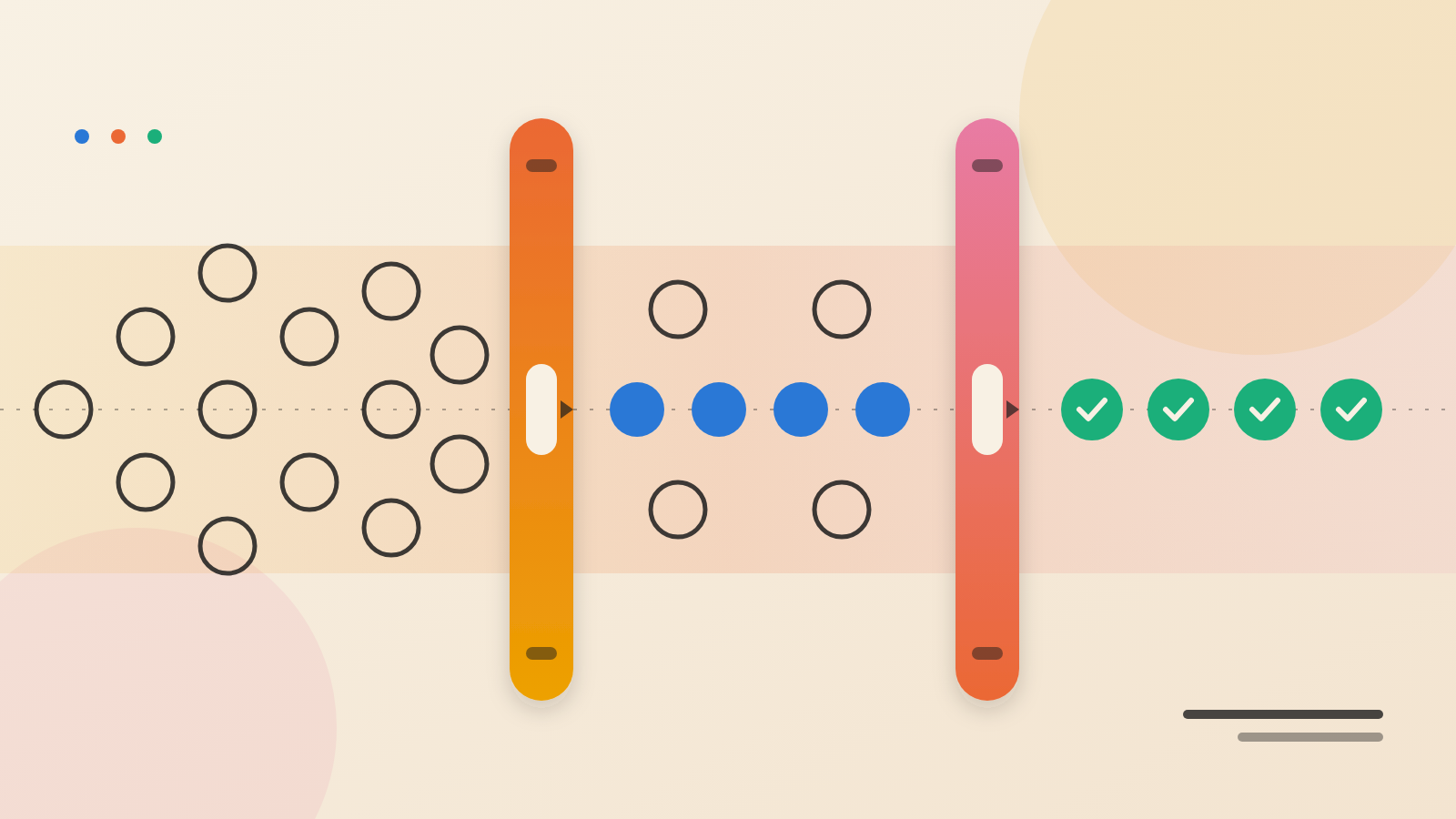
Sysdig researchers, reporting through The Hacker News, documented threat actors probing CVE-2026-20896 within 13 days of its public disclosure. The flaw sits in Gitea Docker images, a self-hosted Git and DevOps platform used by engineering teams that run their own source-control infrastructure. The root cause: when reverse-proxy authentication is enabled, the platform trusts the X-WEBAUTH-USER request header as proof of identity without verifying who set it. An attacker who can reach the login endpoint can claim to be any user, including administrators, by supplying that header directly. CVSS scored the issue 9.8 out of 10.
The Docker Default That Changes the Exposure
The vulnerability requires two preconditions: the administrator must enable ENABLE_REVERSE_PROXY_AUTHENTICATION, and the trusted-proxy list must include the attacker's source address. On a vanilla Gitea installation, reverse-proxy auth is off by default — those instances are not exposed. But the Gitea Docker image ships with REVERSE_PROXY_TRUSTED_PROXIES set to a wildcard ('*'), meaning any IP is trusted as a legitimate reverse proxy. An administrator who enables reverse-proxy auth on the Docker image without restricting this wildcard has, without realizing it, opened the authentication bypass to the entire network.
This is the gap between a vulnerability on paper and a vulnerability in practice. The advisory reads as a configuration-dependent flaw with limited exposure. The Docker image's default transforms it into a one-header authentication bypass for any deployment that follows the most common container setup path.
Thirteen Days
The 13-day window between disclosure and active probing is consistent with what WebPulse tracks across the CISA Known Exploited Vulnerabilities catalog, which has grown to 1,635 entries. For high-severity flaws in self-hosted infrastructure, the interval between public disclosure and observed exploitation attempts continues to compress. The EPSS scoring system, which estimates the probability that a given CVE will be exploited in the wild, currently flags 100 vulnerabilities above the 0.5 threshold as high-probability exploitation targets.
Why Self-Hosted DevOps Is a Different Risk Category
Self-hosted DevOps platforms like Gitea increasingly sit at the center of pipelines where commits, merges, and deployments are triggered not only by engineers but by automated agents and service accounts operating on standing credentials. A header-trust flaw does not just let an attacker read one repository — it lets an attacker assume the identity behind whatever automation is already wired into that pipeline. Where a human operator might notice an unfamiliar login, a forged identity acting through automation can trigger a chain of downstream actions at machine speed before anyone reviews a log.
The pattern is authentication bypass through trust assumptions — accepting an identity claim at face value rather than verifying it against a trusted source. Whether the mechanism is a trusted header, an unvalidated session cookie, or a deserialization path, the defect class recurs across self-hosted infrastructure because these platforms were designed for environments where the network perimeter was the trust boundary. In containerized deployments exposed to the internet, that assumption no longer holds.
Written by the WebPulse Newsroom with AI assistance, and checked by our editorial review: every quotation was verified against the recording's transcript. How we use AI.
Conversations this essay draws on