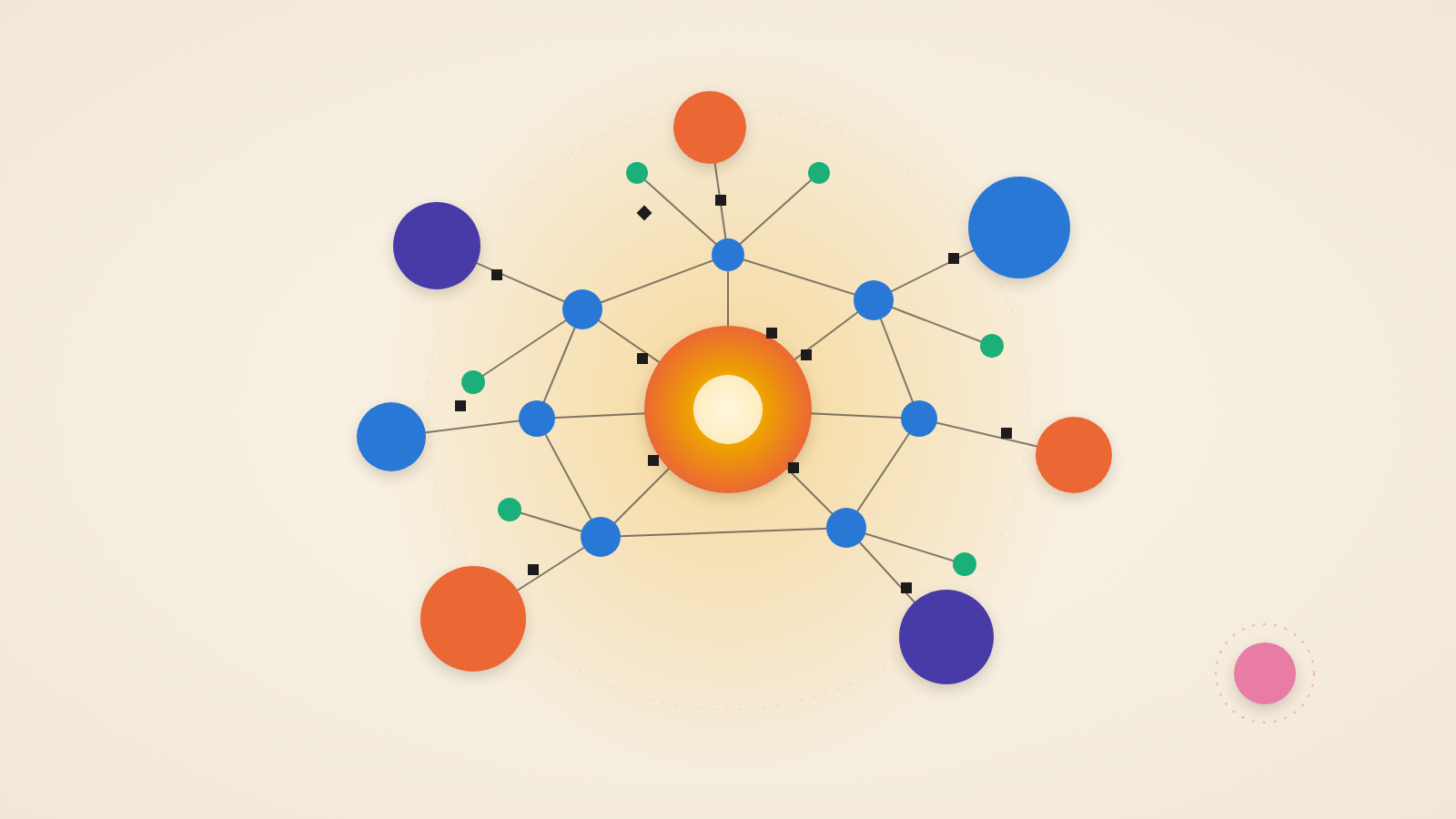
- Viren Baraiya argued that an AI agent should only plan the next steps, while fixed, predictable code carries them out.
- Our reading: engineers once wrote every workflow by hand, and their value now includes judging agent plans and setting limits on them.
Viren Baraiya, co-founder and CTO of Orkes and original creator of Netflix Conductor, made a clear case on the AI Engineer show. In production, an AI agent should decide what happens next. A fixed, predictable program should do the work. He called this the split between brains and hands.
What was said
Baraiya described an agent that watches over servers. When it concludes a cluster is unhealthy, it proposes a restart. The surrounding program, which he calls the harness, decides how the restart happens. He wanted that process identical for every cluster.
He also wanted a human check before any production restart, such as a Slack message asking someone to approve. In his words, "the responsibility of a non-deterministic agent is to plan, is to plan what should happen next, not really to do things."
Steps should be safe to repeat. If they are not, the harness should record what happened so the side effects can be handled.
He tied this to an older idea. Engineers used to write multi-step workflows, called sagas, by hand. Agent harnesses, he said, "are essentially late-bound sagas." The tools stay finite and fixed. The agent assembles the steps at runtime instead of a person laying them out up front.
His demo, which he said was canned, showed this. The agent proposed gathering evidence, reading logs and rolling back a deployment. A compiler turned that plan into a runnable workflow. On the second pass, the agent skipped the rollback because it was already done.
Why it matters
Our reading: the hand-written work shrinks, and the judging work grows. Engineers still build the tools, the approval gates and the fixed procedures. They also have to review what a model proposes and decide what it may never do on its own.
For managers, that suggests hiring and reviewing for judgment about plans, not only for skill at writing flows. Baraiya also noted that a hand-built workflow covering every possible branch is nearly impossible to think through ahead of time. The agent covers combinations people would not write.
The other side
Baraiya spoke about architecture, not careers or training. The skill shift is our inference from his design. The excerpts do not show how people learn to judge plans they never wrote.
The demo was pre-planned, so it shows the shape of the idea, not how agents behave under messy conditions. Approval gates also depend on the person behind them. A human who approves every message without reading it adds little safety. The conversation left that open.
Written by the WebPulse Newsroom with AI assistance, and checked by our editorial review: every quotation was verified against the recording's transcript. How we use AI.
The conversation this talking point comes from
- AI Engineer: Brains vs Hands: How to Run AI Agents Safely in Production — Viren Baraiya (2026-10-08)