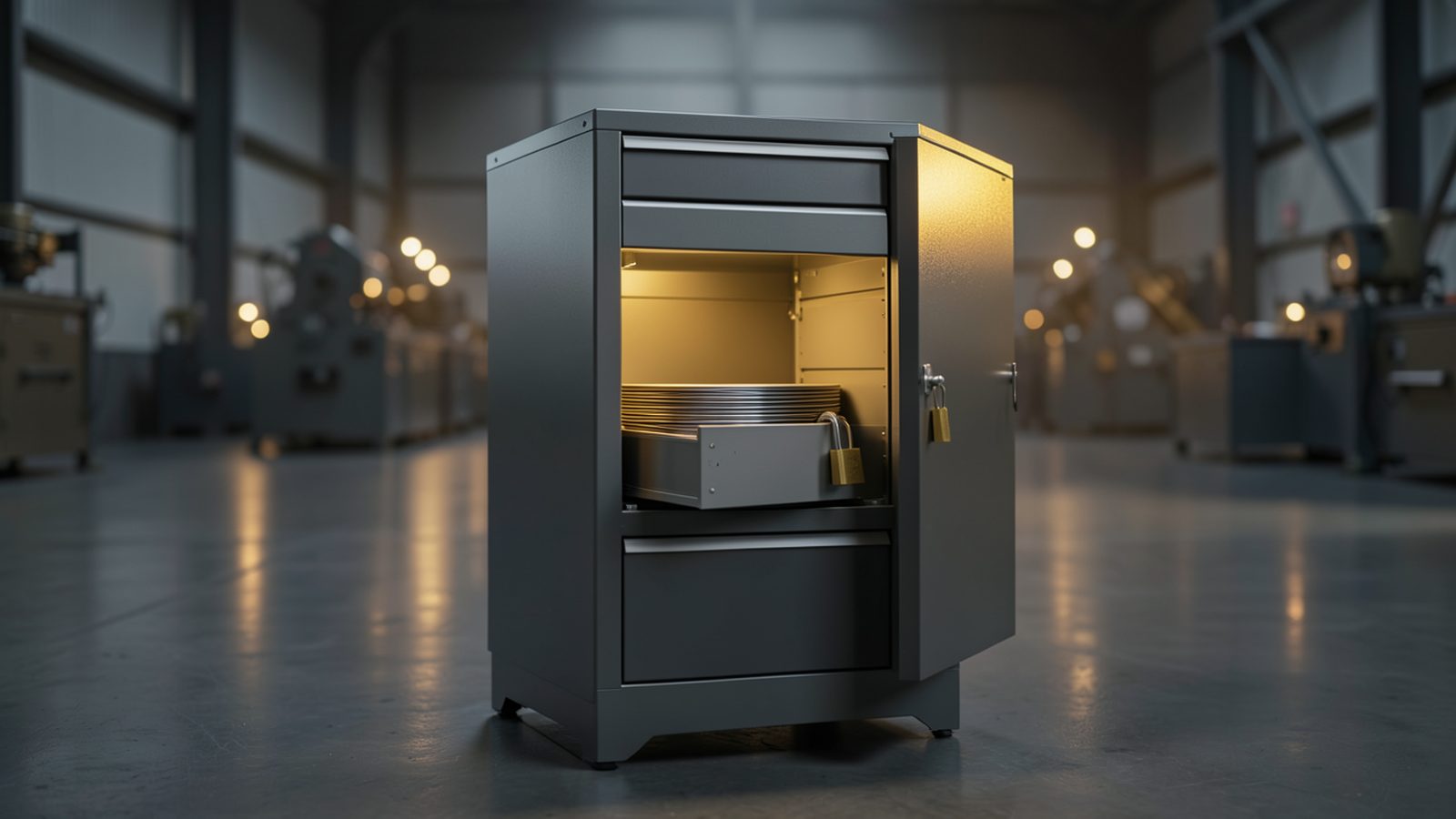
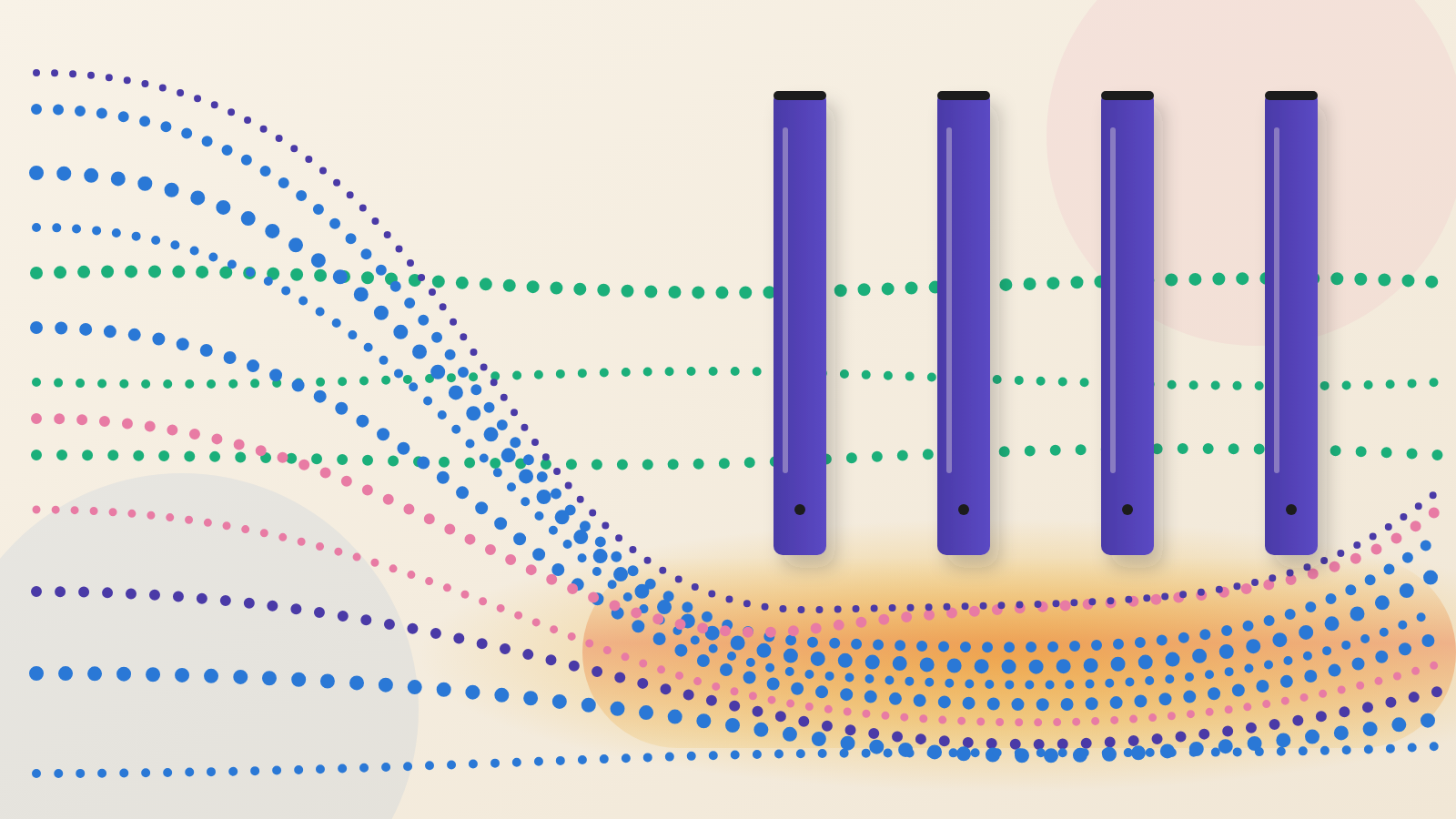
User vaults accessed: ~20 (Encrypted vault data downloaded by attackers after TOTP brute-force. Source: Dashlane Security Advisory, June 22, 2026.)
What Happened
On June 22, 2026, Dashlane disclosed that attackers successfully accessed approximately 20 user vaults by brute-forcing TOTP-based two-factor authentication codes. The company initiated emergency maintenance at 1AM EST, temporarily taking all authentication services offline to implement rate-limiting changes and force credential rotation for the affected accounts.
The attack exploited a mathematical property of TOTP that is well-understood but rarely discussed in user-facing security documentation. A six-digit TOTP code has exactly 1,000,000 possible combinations per 30-second window. With sufficient request volume and no aggressive rate limiting, an attacker with valid primary credentials can enumerate all possible codes within a single window. The attackers had previously obtained the primary credentials through separate compromise vectors. The vaults were downloaded in encrypted form, but the attackers now have unlimited offline time to attempt decryption against each vault's master password.
The Mathematics of TOTP
TOTP authentication, standardized in RFC 6238, generates a six-digit code from a shared secret and the current time, truncated to a 30-second interval. The code space is 000000 through 999999. One million combinations. At scale, with distributed infrastructure, one million requests within 30 seconds is operationally trivial.
The defense against TOTP brute-force is rate limiting: restricting the number of authentication attempts per account per time window. If an account is locked after 5 failed attempts, the attacker's probability of guessing correctly within that window is 5 in 1,000,000, or 0.0005%. But rate limiting is an implementation choice, not a protocol guarantee. TOTP itself provides no defense against enumeration. The security boundary is entirely dependent on the service's enforcement layer. This creates an asymmetry: every service implementing TOTP must independently build and maintain its own brute-force protection, and the protocol provides no signal when that protection is insufficient.
Security Tools as Attack Targets
The Dashlane incident illustrates a structural shift in the threat landscape. Password managers, identity providers, and security platforms are becoming primary targets precisely because they aggregate high-value credentials. Compromising a single password manager vault yields access to every service the user has stored. The value density of a password manager vault exceeds that of any individual service credential.
This is not a Dashlane-specific failure. The TOTP brute-force vector applies to any service that implements standard six-digit TOTP without sufficient rate limiting. The attack surface is the protocol's mathematical constraint, not any single vendor's implementation. Services that have migrated to WebAuthn or FIDO2 hardware keys are not susceptible to this enumeration approach because the authentication challenge-response does not have a brute-forceable code space. The irony is pointed: a security company designed to protect credentials was compromised through a well-documented limitation in a widely deployed authentication protocol.
The Rate-Limiting Gap
Dashlane's emergency response included implementing stricter rate limiting on authentication endpoints. The fact that rate limiting required emergency changes suggests the prior thresholds were insufficient to prevent distributed brute-force attempts across the TOTP code space. This is a common pattern: rate limits calibrated for human users typing codes manually do not account for automated, parallelized attempts from distributed infrastructure. Cloud computing costs have dropped to the point where renting sufficient compute to generate one million API requests in 30 seconds is operationally trivial and financially negligible for any motivated attacker.
The approximately 20 affected vaults were downloaded in encrypted form. Dashlane uses AES-256 encryption derived from the user's master password. The vaults remain protected by that encryption layer unless the master passwords are independently compromised. However, the attackers now have unlimited offline time to attempt decryption. Vaults with weak master passwords face ongoing exposure with no expiration. Unlike a password reset on a single service, a compromised vault contains credentials for every service the user stored, creating a cascading exposure that persists as long as any of those credentials remain unchanged.
Implications for Web Authentication Architecture
Every web application that relies on TOTP as its second factor shares this mathematical ceiling. The 1,000,000-combination code space was designed in 2011 when the assumption was that authentication endpoints would be behind hardware firewalls with connection-level rate limiting. In 2026, authentication endpoints are API-first, globally distributed, and accessible from any IP address. The threat model that informed RFC 6238 no longer reflects operational reality.
Organizations evaluating their authentication stack should treat TOTP as a defense-in-depth layer, not a security boundary. The Dashlane incident demonstrates that when primary credentials are compromised, TOTP alone does not provide a reliable second factor against a motivated attacker with sufficient infrastructure. WebAuthn, hardware security keys, and passkeys offer authentication mechanisms where the cryptographic challenge is not reducible to a brute-forceable code space. For web applications specifically, the choice of authentication protocol has direct infrastructure implications. Applications built on frameworks with native WebAuthn support are architecturally positioned to avoid the TOTP ceiling. Applications relying on plugin-based TOTP implementations inherit both the protocol's mathematical limits and the plugin's rate-limiting assumptions.