- Ora said an agent that can't read a site falls back on web search, where a readable competitor can win the task.
- Ora urged sites to let agents in and make pages easy to read, but conceded that bad bots make this hard.
Blocking AI agents may cost a business customers. That was the argument from Ora, a company that tests how well websites work for agents, on Vercel's show. When an agent can't read your site, Ora said, it doesn't give up. It searches the web instead, and it may end up at a competitor's page.
What was said
Ora described a tool that gives an agent a goal, points it at a site and traces every step. Its example was an agent looking for pricing.
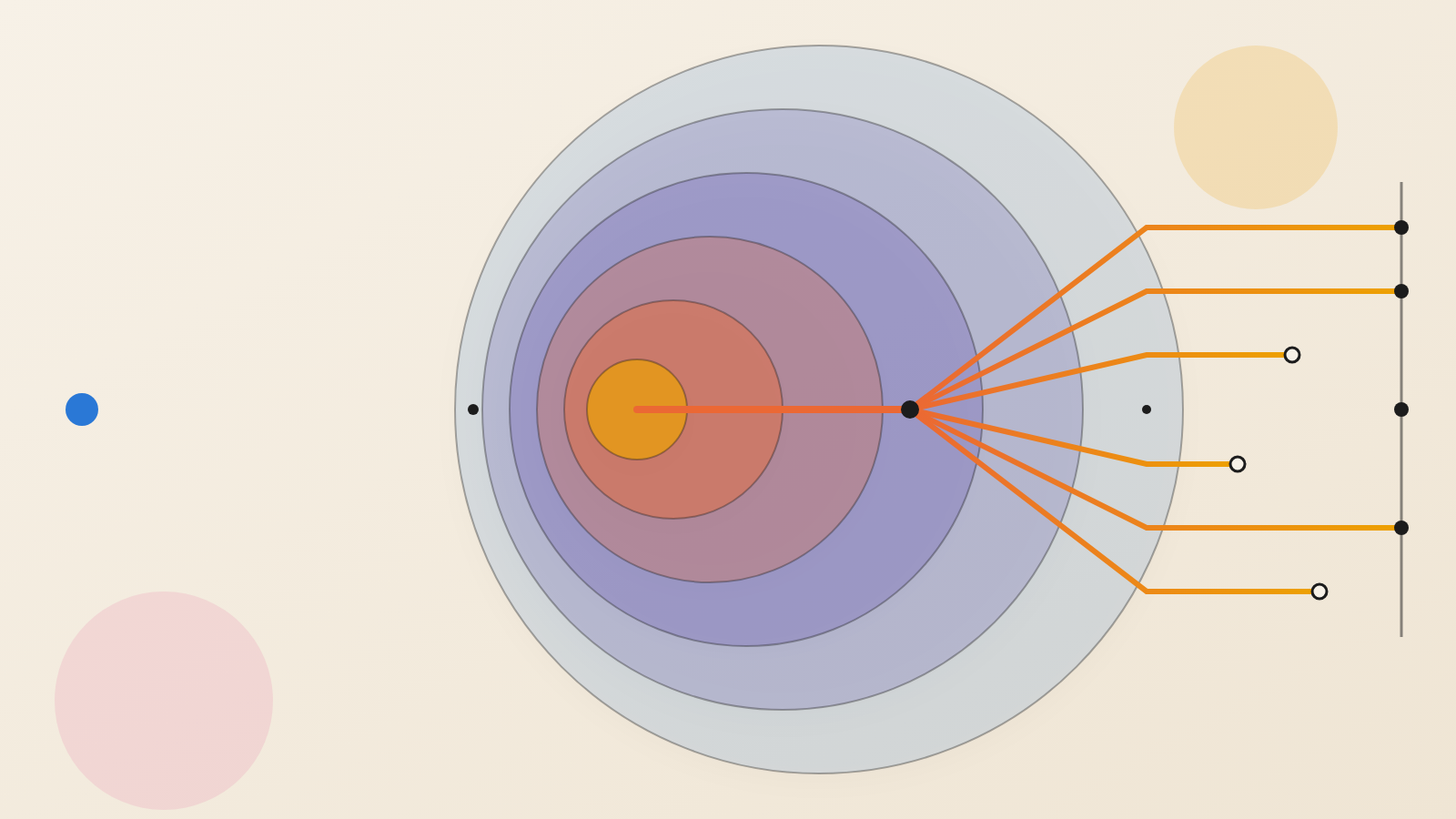
The agent usually starts at the homepage. Then it looks for a docs page. If there is none, Ora said, it starts making up URLs and fails. Then it turns to web search. Ora's words: "we've actually seen real cases where they end up in your competitor's website."
Ora said a blocked agent follows much the same path in most cases. It is turned away, it searches, and it finds an answer elsewhere. A competitor that made itself easy for agents to read, Ora said, takes the win.
Ora framed this as a reversal. In its words, "we spent 20 years keeping bots out, and now we have to let them in." Its advice was to build plain-text copies of key pages, which it called markdown twins. It also said to let agents in and to give them tools. One example was WebMCP, which helps agents use a site, not just read it.
Why it matters
Our reading: a rule that blocks automated visitors is usually treated as a security setting. Ora's account suggests it is also a sales decision. Suppose the blocked visitor is an agent comparing options for a buyer. Then the block may send that buyer to a rival.
For people who run or buy a site, the practical step is to check what an agent actually meets. Can it get past the front door? Can it read your pricing and docs? Ora's own scanner tests this. The question now belongs to both the security team and whoever owns revenue.
The other side
Ora did not claim this is easy. It said letting agents in is not simple, because "Bad bots still exist." It added that site owners still need to stop abusive crawlers, which are getting smarter.
Ora believes blocking will become a major obstacle for the agentic web. It said it is working on the problem with partners.
Two limits are worth keeping in mind. Ora sells agent-readiness testing, so it gains if sites take this seriously. And it offered "real cases" rather than a figure for how many customers a block costs. The talk also left open how a site can tell a helpful agent from a harmful bot.
Written by the WebPulse Newsroom with AI assistance, and checked by our editorial review: every quotation was verified against the recording's transcript. How we use AI.
The conversation this talking point comes from
- Vercel: Can an agent use your website? How Ora finds out with eve (2026-10-22)