- OpenAI says AI helped find serious PHP flaws before attackers did. It proposes a five-stage process to prepare defenders before the flaws are made public.
- OpenAI expects similar findings to increase sharply and wants a repeatable process for getting fixes out. WebPulse reads the plan as treating delivery as a logistics problem.
- Map where PHP runs in your estate, including vendor-managed systems. Ask providers how they get advance notice and how they handle older releases.
A plan that treats delivery as logistics
A flaw harms or helps no one until a fix reaches the systems that run the code. OpenAI's PHP announcement is built around that gap. It lays out who should be told, in what order, and what each party needs to get ready.
OpenAI does not say that delivery is harder than discovery. It says a finished patch still has to be reworked for outdated versions, paired with stopgaps from service providers, and rolled out by many separate organizations. It adds that a repeatable process helps those teams move quickly. It also expects similar findings to "increase sharply" in the coming months.
This is WebPulse's reading, not OpenAI's claim: the plan shows that disclosure is becoming a logistics problem. The question is who learns what, and when.
What happened with PHP
PHP is a free programming language that many websites and web apps run on. Over about two months, OpenAI says, it worked with PHP's maintainers, researchers and security firms on serious flaws in it.
OpenAI credits a firm called Calif with spotting one flaw. Calif used the GPT-5.6 Sol model under OpenAI's Patch the Planet program. OpenAI adds that Wiz found and reported both flaws on its own.
PHP's maintainers wrote the fixes and the release. OpenAI says it, Wiz, Cloudflare and others added research, technical help and coordination so protections were ready before the flaws went public.
What the announcement leaves out
The post gives no CVE identifiers, no affected versions and no description of the flaw type. It points readers to PHP's official patch and upgrade instructions and to partner research. Those are the authoritative details.
OpenAI also says that, to its knowledge, frontier AI found these bugs before attackers did. That is the company's own claim. The post offers no outside check of it.
OpenAI has released a Codex skill that checks which PHP versions may be exposed. It says teams should read the result next to guidance from PHP and their providers.
The five stages OpenAI proposes
First, the maintainer and partners confirm the flaw and test a fix. OpenAI says this includes attacking the patch with frontier models. The aim is to find ways around it and related variants of the bug.
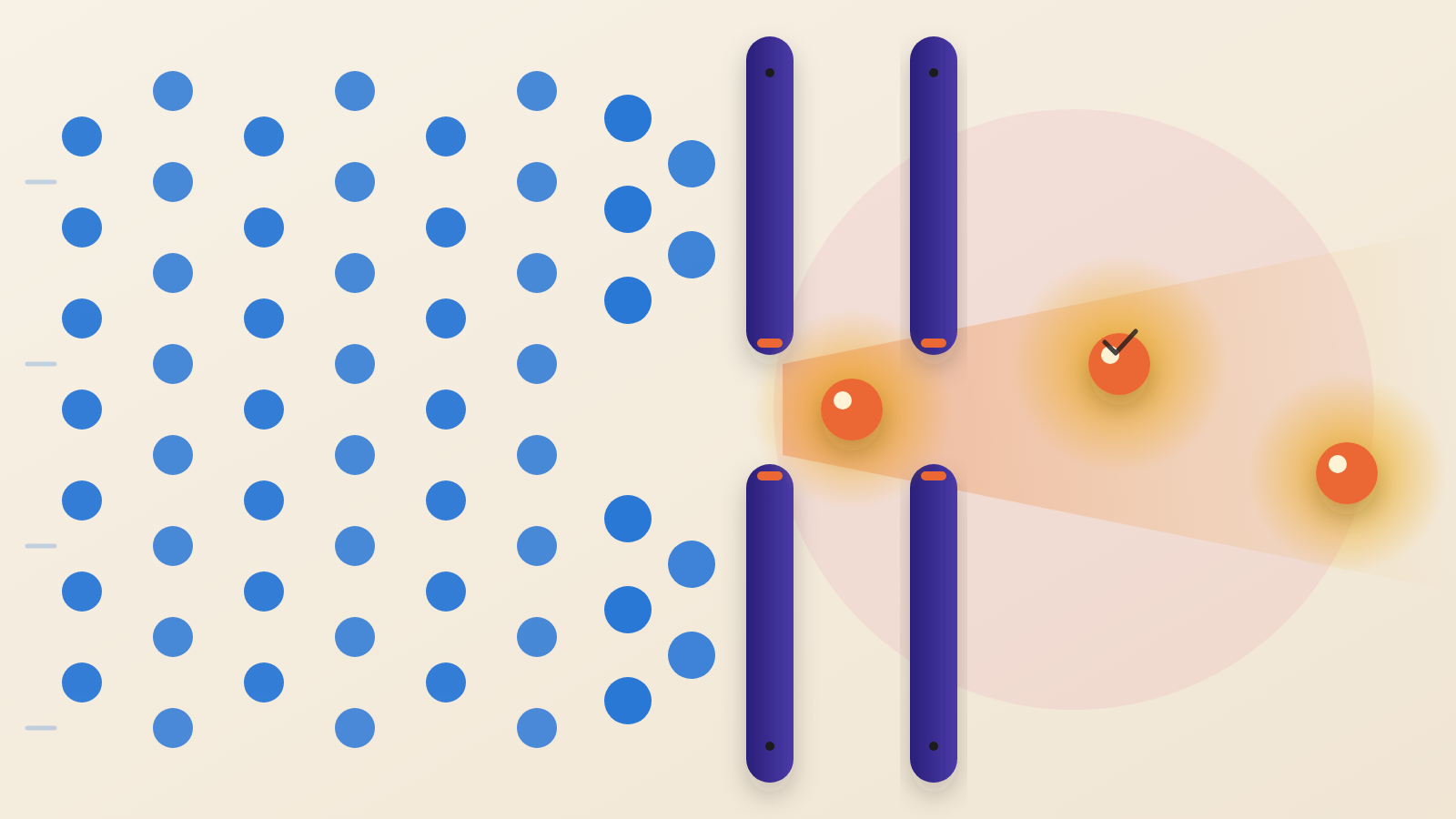
Second, affected organizations get time to prepare. Maintainers decide who is told. A software distributor may need to rework the fix for an older release. A hosting provider may test a mitigation. A security vendor may write rules for a web application firewall (WAF), a filter that blocks known attack patterns before they reach a site.
Third, governments join in. On PHP, OpenAI says it and its partners engaged several parts of the U.S. government. Those it names are CISA, the Office of the National Cyber Director and a White House unit called the Super Intelligence Force. International partners were also involved.
Fourth, more distributors, hosts and operators prepare updates once the plan is stable. Fifth, public guidance goes out after a patch exists, and support continues while operators deploy it.
Who gets told early, and the risk of telling
Early notice has a cost. OpenAI notes that even partial details can point to a vulnerability. It says it weighs that risk against the protection the details allow.
The plan would ask three things of each organization. Does it protect other people's systems? How long does it need to act? Can it safely hold sensitive details? Similar organizations would be treated alike.
What each party receives depends on its job. A team watching networks might get indicators of compromise from logs. Others might get a working exploit. OpenAI says the timeline would be reviewed if attacks are under way, details leak, a public patch gives the flaw away, or fixing stalls.
Small teams, open questions
OpenAI notes that many open-source projects rely on small teams. They handle security reports on top of their regular work. The company lists funding, model access and engineering help, including Codex for OSS subscriptions. It also says it has committed $1 billion in subsidized Daybreak access for under-resourced organizations that protect essential services.
OpenAI calls its plan a proposal and invites criticism. It asks how long disclosure windows should last. It also asks when, if ever, governments or operators should use a flaw to patch systems they are authorized to manage.
It can imagine internet-wide scanning that tells site owners about a flaw or patches the system itself. That idea raises hard questions about consent and control.
OpenAI also admits that Daybreak's safeguards against misuse can block legitimate security work. Defenders may meet some friction.
What to ask your team this week
First, find where PHP runs in your estate. Include systems run by vendors and hosts. Use the version checker, and follow the maintainers' guidance on which updates apply.
Second, ask each hosting and security provider how it gets advance notice of flaws like these. Ask whether it can fix older releases you still run.
Third, use the CISA guidance that OpenAI points to. It helps you choose between emergency patching, immediate mitigation and a planned update. Add forensic checks where warranted, and revisit the decision as conditions change.
A patch protects only the systems that run it. Knowing where your code lives, and who will tell you first, is the part you can prepare.
Produced by the WebPulse Newsroom with AI assistance from the original reporting credited below, and checked against that source by our editorial review. How we use AI.
Original reporting: OpenAI.