- A speaker on AI Engineer called it dangerous to treat an agent as "me" and argued each agent needs its own unique ID in a shared registry.
- Each agent should have a named human sponsor who owns what it costs and spends and gets the call if anything goes wrong.
A speaker on the AI Engineer show argued that an AI agent is a teammate, not a digital clone of the person who started it. The episode features Tim Tyler of Gravitee. The speaker called treating the agent as "me" dangerous. Every agent, the speaker said, needs its own unique ID in a shared registry.
What was said
The talk presented Gravitee's Agent Accountability framework. It governs agents as a digital workforce, the way companies govern employees. The first stage is assignment: who the agent is, which team it joins and who answers for it.
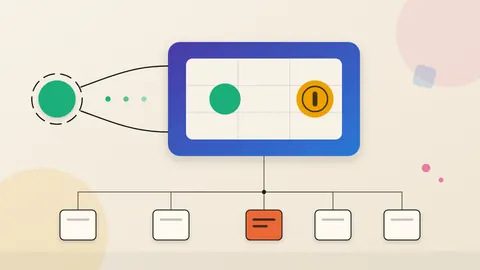
The speaker compared the agent's identity to a new hire's ID badge. It should be one unique ID in a known shared registry, which the speaker called a single point of truth. Everything else in the framework, the speaker said, points back to that identity.
Even one person using one agent makes a team of two, the speaker said. Many people think an agent acting on their behalf is them. In the speaker's words: "Therefore, it is me. That's dangerous."
Next comes a named human sponsor. The example was Sven, sponsor of an agent numbered 409. Sven sets its purpose, owns what it costs and spends, and gets the call if anything goes wrong.
Why it matters
Our reading: the danger is that nobody can tell who did what. A registry entry gives each agent one name. Its actions and logs can be tied to that name, and the other controls can point to it.
The show notes name the failure case: agents deployed with shared passwords. The talk's opening job pitch says, "You have access to key systems, but don't worry, they're all shared passwords."
WebPulse's own illustration, not the speaker's: when ten agents share one password, a log cannot say which one acted.
The sponsor owns the agent's running costs and takes the call. The speaker did not say who pays for damage. Without a named sponsor, though, no one is assigned to answer for what happened.
The other side
The excerpts describe a framework, not results, and the speaker works for a vendor presenting its own approach. They do not say whether it reduces failures. Nor do they explain how a registry would span different vendors' agents, or whether one sponsor can answer for many agents.
The speaker also admitted that people dislike the close oversight agents need. Whether organisations will accept it is left open.
Written by the WebPulse Newsroom with AI assistance, and checked by our editorial review: every quotation was verified against the recording's transcript. How we use AI.
The conversation this talking point comes from
- AI Engineer: Why Are We Still Governing AI Agents Like Software? - Tim Tyler, Gravitee (2026-10-27)