- Jose Palafox of GitHub said some agents, such as maintenance tasks, can run in a repo's pipeline on the repo's identity and budget, not a developer's.
- Our reading: when no person is the actor, the project carries the cost of a mistake, so approval points and spend visibility matter.
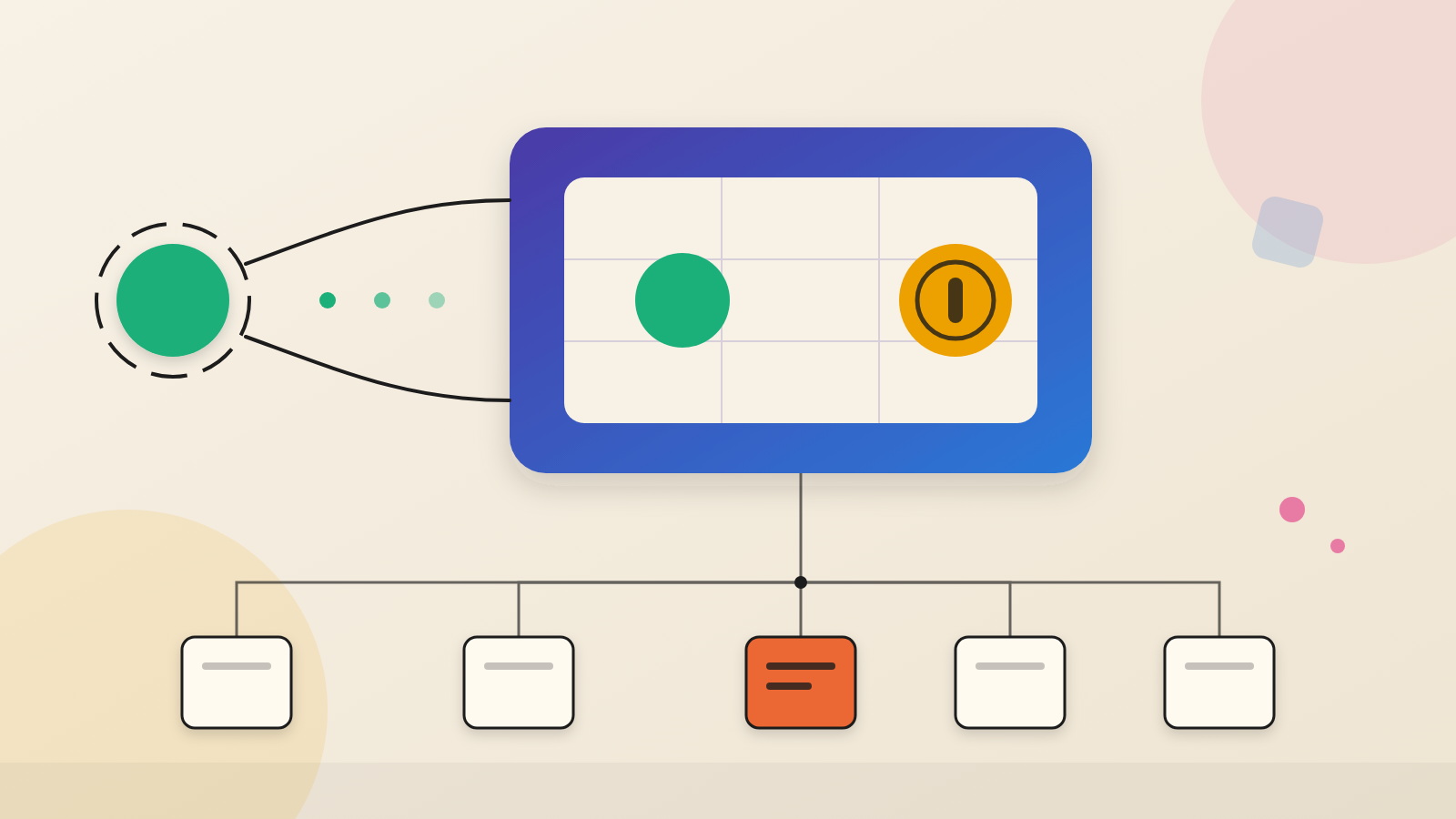
Jose Palafox, a Field Copilot Specialist at GitHub, described a shift on the AI Engineer show. Some AI agents, he said, should run as part of a repository rather than as an extension of one developer. They use the repo's identity and the repo's budget. The actor on record becomes the project instead of a person.
What was said
Palafox walked through the path from a local agent to a pipeline agent. Locally, an agent works under your identity and your budget. For maintenance work, he said, he wants it run on the repo's budget and under the repo's identity. As he put it, "Not every agent needs to be me taking an action."
The mechanism is simple. The Copilot command-line tool can run without a person present, given one prompt. Put that inside a GitHub Actions runner, and it fires on repo events, such as a release or a weekly schedule.
His example was an agent that scans a codebase for duplicated code. He said agents tend to create lots of duplication. This one files issues instead of changing code. A developer then decides whether to advance an issue. Palafox said the framework builds in checkpoints: "we'll build in human-in-the-loop triggers for you so that you can review and decide when you're actually going to spend money".
Why it matters
Our reading: this changes who answers when an agent gets something wrong. If a developer runs an agent on a laptop, the action traces to that person. If a scheduled agent runs under the repo's identity, the trail leads to the project, and so does the bill. For a small project, that means the maintainers absorb the result.
For managers and buyers, the practical questions follow from that. Who owns each pipeline agent? Where must a person approve before money is spent or code is accepted? Palafox made a related point about visibility. He said agents in CI can be monitored, so a team can investigate runs that cost more than expected.
The other side
Palafox did not argue that mistakes will land on repo owners. That is our inference from his description of identity and budget. His own focus was on cost control, visibility and scale, and he works at GitHub, which sells this tooling.
The excerpts also leave open how much protection the checkpoints give. His example had a human decide at the start and at acceptance. He did not say whether those gates are required or optional. Nor did he say how a repo identity ties back to a responsible person when something breaks. Those questions are left for the teams adopting this model.
Written by the WebPulse Newsroom with AI assistance, and checked by our editorial review: every quotation was verified against the recording's transcript. How we use AI.
The conversation this talking point comes from
- AI Engineer: From Your Laptop to the Pipeline: Scaling Custom Agents with GitHub Copilot (2026-10-10)