- SemiAnalysis found Claude plans running Opus 5.5 give about 4-5x the API-equivalent value of OpenAI plans running GPT-6.1 Sol, for agentic work. At the top tier the two are close.
- Plan limits are hidden meters that vendors can change. OpenAI halved the value of new $200 plans last week; existing plans keep the old limits until October 29.
- Ask which plans and models your teams use, and budget on measured cost per task.
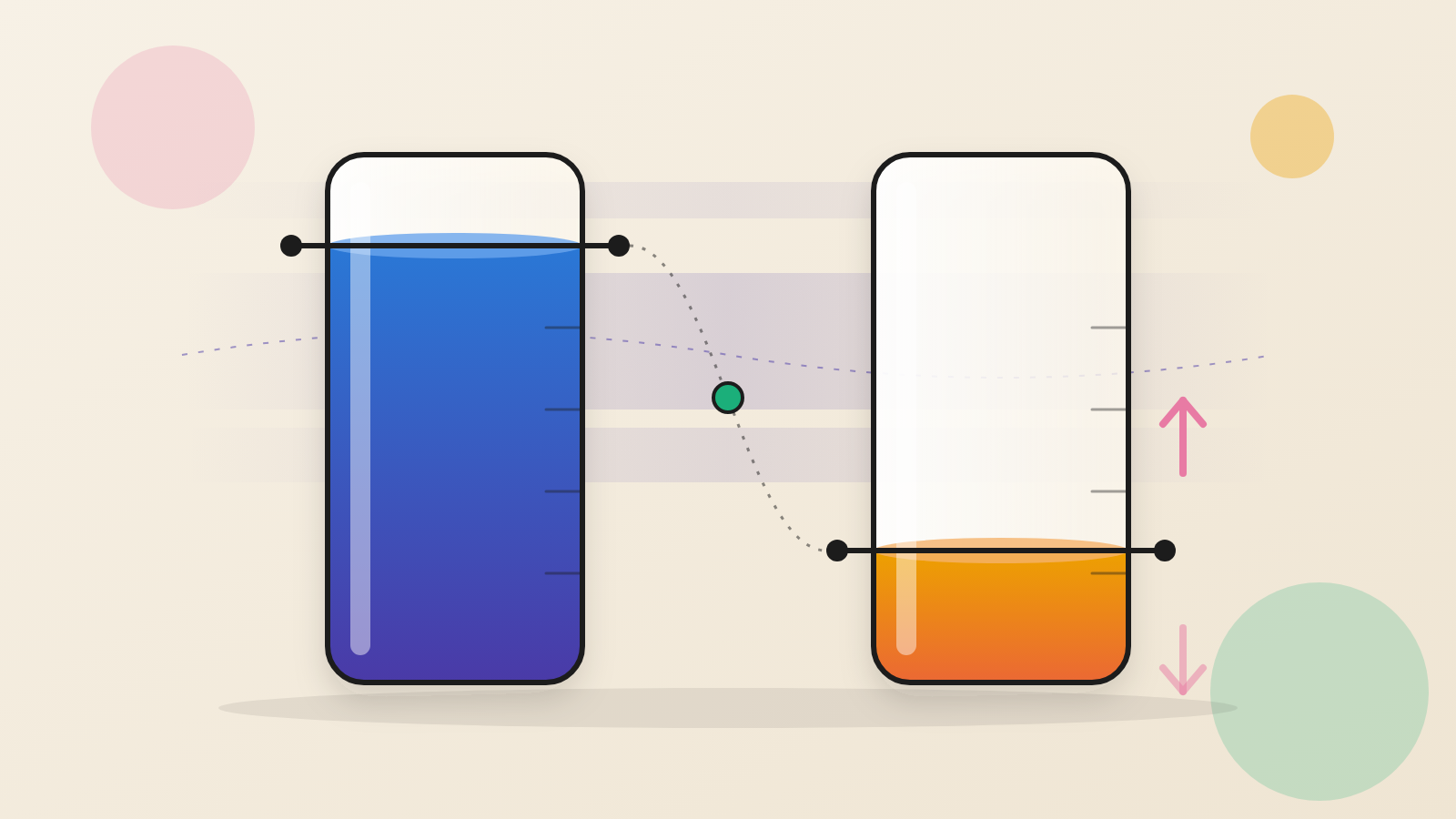
A subscription is a meter, not a price
A company buys a $200 AI plan and assumes it has bought a fixed amount of AI. It has not. It has bought a meter, and the seller decides how fast that meter runs.
That is the argument that runs through a new SemiAnalysis analysis, published October 5. Its authors describe a monthly payment as a grant of "credits". Each model and each type of token uses a different number of credits. Those credit costs can differ sharply from the public API price list. So the same plan is worth different amounts depending on the model and the work.
What SemiAnalysis found
The headline comparison covers the mid-tier models both companies pitch as the daily driver: Anthropic's Opus 5.5 and OpenAI's GPT-6.1 Sol. For agentic work, where AI runs multi-step tasks on its own, SemiAnalysis found Anthropic's plans offer about 5x the API-equivalent value. That means the dollar value of the tokens you can use at public API prices.
Elsewhere the report puts the gap at about 4x, so treat it as a range of roughly 4x to 5x. SemiAnalysis also says the gap stays large when it counts raw tokens, even though Sol costs less per token.
At the top tier, the report calls limits "quite similar". Anthropic's Fable 5.1 can use only 50% of a plan's limit. A $200 Claude plan would still have half left after $2,485 of Fable 5.1. The OpenAI equivalent, GPT-6 Astra, would be used up after $2,897. So the large gap is a mid-tier finding, not a blanket one.
These are caveats. API-equivalent value is not cash saved. SemiAnalysis did not measure how many tokens each model needs to finish a task, and says reliable data on that is missing. It built the workload mix from its own September usage. It also sells the dashboard behind this work. OpenAI's Pro plans have no 5-hour limit, which makes it easier to use the full monthly allowance. SemiAnalysis does not think this closes the gap.
How the meters were measured
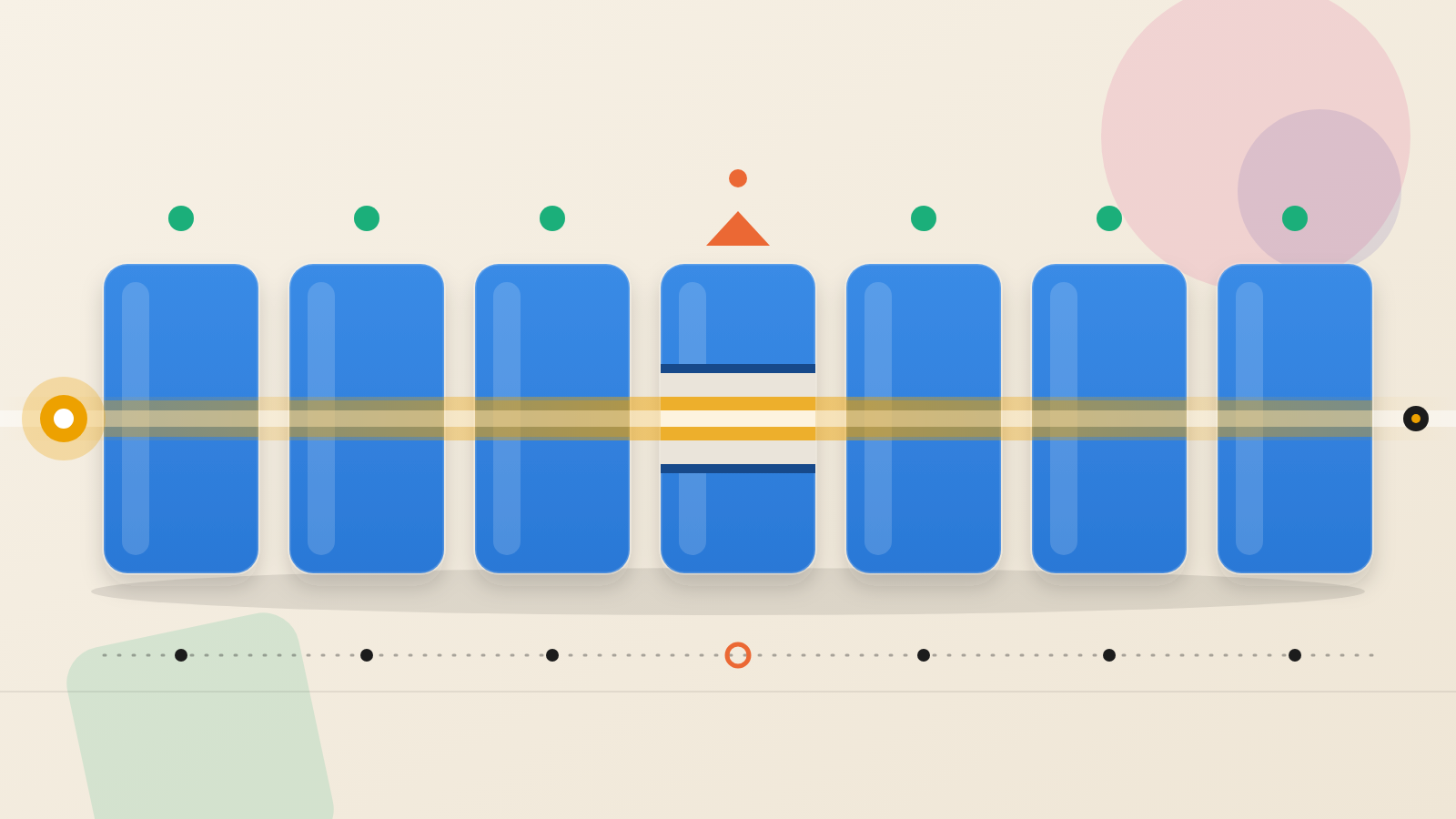
Plans show only a 0 to 100% usage bar, over 5-hour and 7-day windows. They do not show token prices. So SemiAnalysis ran repeated calls built to use one token type at a time: fresh input, cache writes, cache reads or output. Caching stores earlier text so the model need not reread it at full price.
One call often does not move the bar at all. So the researchers counted the tokens used between each tick of the meter. They kept adding ticks until the error range fell within ±5%. They treated cache reads as free if the meter did not move after 500 million tokens.
Then they turned percentages into dollars. Using 1% of a $200 monthly limit counts as $2. The 5-hour window refills over and over inside a week. That is why the 7-day windows set the monthly ceiling.
The limits can move without notice
SemiAnalysis found that one of three identical accounts for one provider had limits about 20% lower. The provider told the researchers it was an "extremely tiny" A/B test. It said it did not "decrease limits wholesale" and was testing how to balance when people hit limits. The report reads this as proof that providers can change limits silently.
OpenAI's changes were public. Last week it cut its $200 plan's token allowance by half and added a $500 tier. Plans bought before the cut keep the old limits until October 29. New purchases get the lower limits at once.
Price cuts also change what a plan is worth. When OpenAI cut GPT-6.1 Sol's cache-read price but left the token limit unchanged, API-equivalent value fell about 30%. Cheaper tokens made the same allowance worth fewer dollars. Anthropic raised Opus limits by about 20% on Max plans and about 50% on Pro after its Opus 5.5 price cut. SemiAnalysis says that did not fully offset the lower prices.
The vendors have reason to adjust. By SemiAnalysis's rough numbers for Anthropic, subscriptions are 10% of revenue but over 40% of inference compute.
What to ask your teams
First, find out which plans, models and workloads your people actually use. A plan's value only makes sense for a specific plan, model and workload together.
Second, compare vendors on cost per finished task, not on a plan's headline price. SemiAnalysis says that data is still missing, so run your own tests.
Third, do not treat a limit as a contract term unless the vendor writes it down. The October 29 cutoff shows the terms depend on when you bought.
The lesson here is that an AI plan is a rate the vendor can reset. Budget for that.
Produced by the WebPulse Newsroom with AI assistance from the original reporting credited below, and checked against that source by our editorial review. How we use AI.
Original reporting: SemiAnalysis.