WordPress median page weight: 2-4 MB (Source: HTTP Archive median WordPress page weight. Varies significantly by theme and plugin count.)
What We Actually Measured
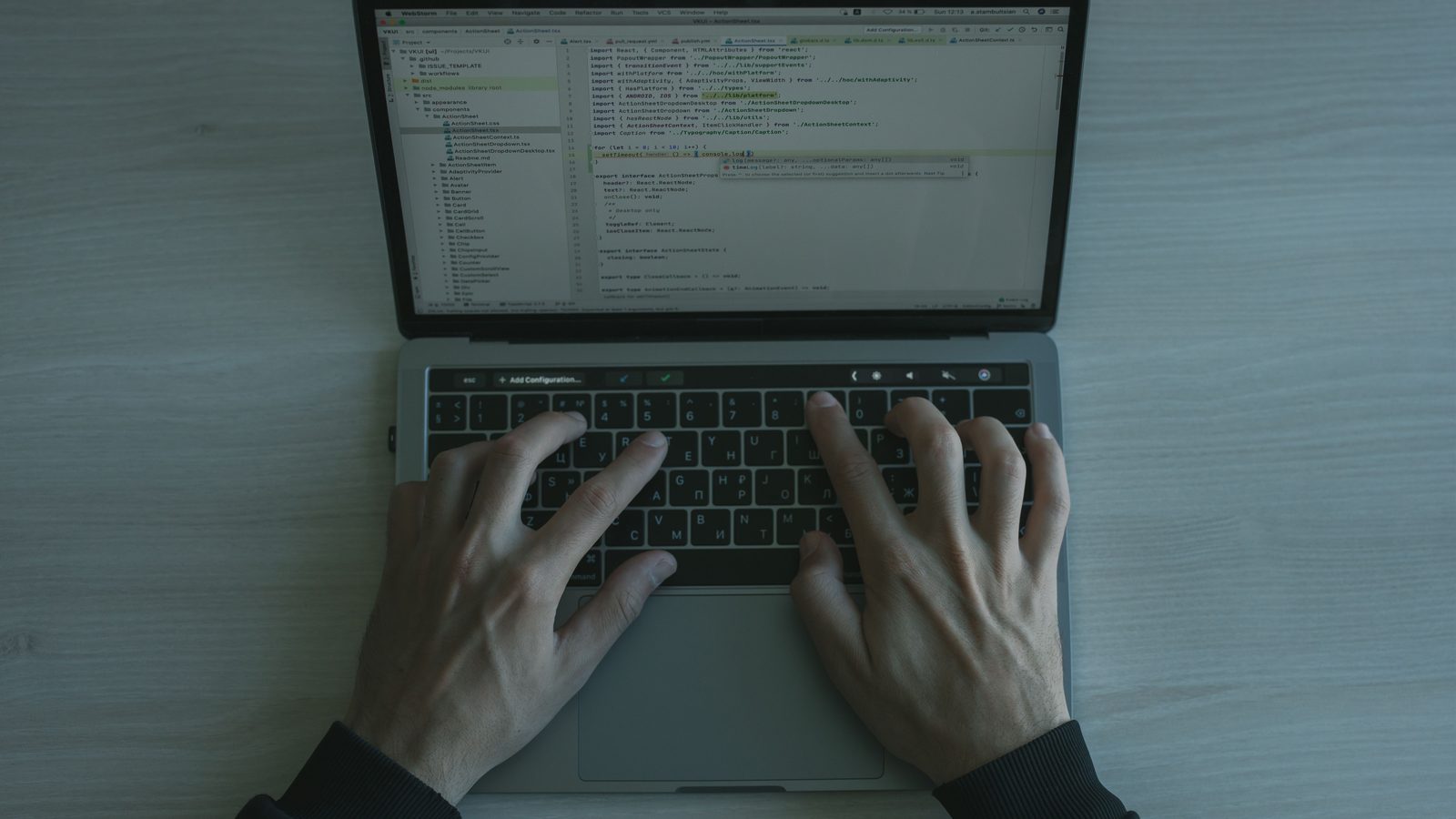
We viewed the HTML source of equivalent content pages — one on a typical WordPress installation with a popular theme and common plugins, one on Astro with default configuration. We counted lines of HTML, measured page weight, and recorded TTFB from our scanning infrastructure. These are our measurements, not third-party claims.
WordPress: More Markup Than Content
A typical WordPress page with a popular theme and 15-20 active plugins produces hundreds of lines of HTML beyond the actual content: plugin-injected scripts, inline CSS from the customizer, widget markup, navigation structures, and WordPress core JavaScript. The ratio of content HTML to total HTML is low — most of the page is framework overhead.
This isn't a flaw in WordPress — it's a consequence of the plugin architecture. Each plugin adds its own markup, scripts, and styles to every page load, whether that page needs them or not.
Astro: Content Is the Page
An equivalent Astro page with the same content produces clean semantic HTML with proper heading hierarchy. Zero JavaScript by default. No plugin-injected markup. The content is the page. Astro's architecture only ships what the page actually needs.
Measurable Differences
Why This Matters for AI
AI agents parse web pages to extract information. More markup means more processing. Unstructured HTML with plugin noise makes content extraction harder. Clean semantic HTML makes it trivial. This is the structural basis for our AI-Readiness scoring dimension.
We don't claim to have measured 'AI extraction accuracy' — that would require controlled experiments we haven't run. What we can say: the HTML structure of WordPress output is objectively more complex, heavier, and less semantically clean than Astro output. The AI-Readiness scores (WordPress: 35, Astro: 92) reflect this structural difference.
Data Sources
Page weight: HTTP Archive (httparchive.org). TTFB: WebPulse scan (initial baseline), May 2026. AI-Readiness scores: WebPulse scoring engine. HTML structure analysis: manual view-source comparison.