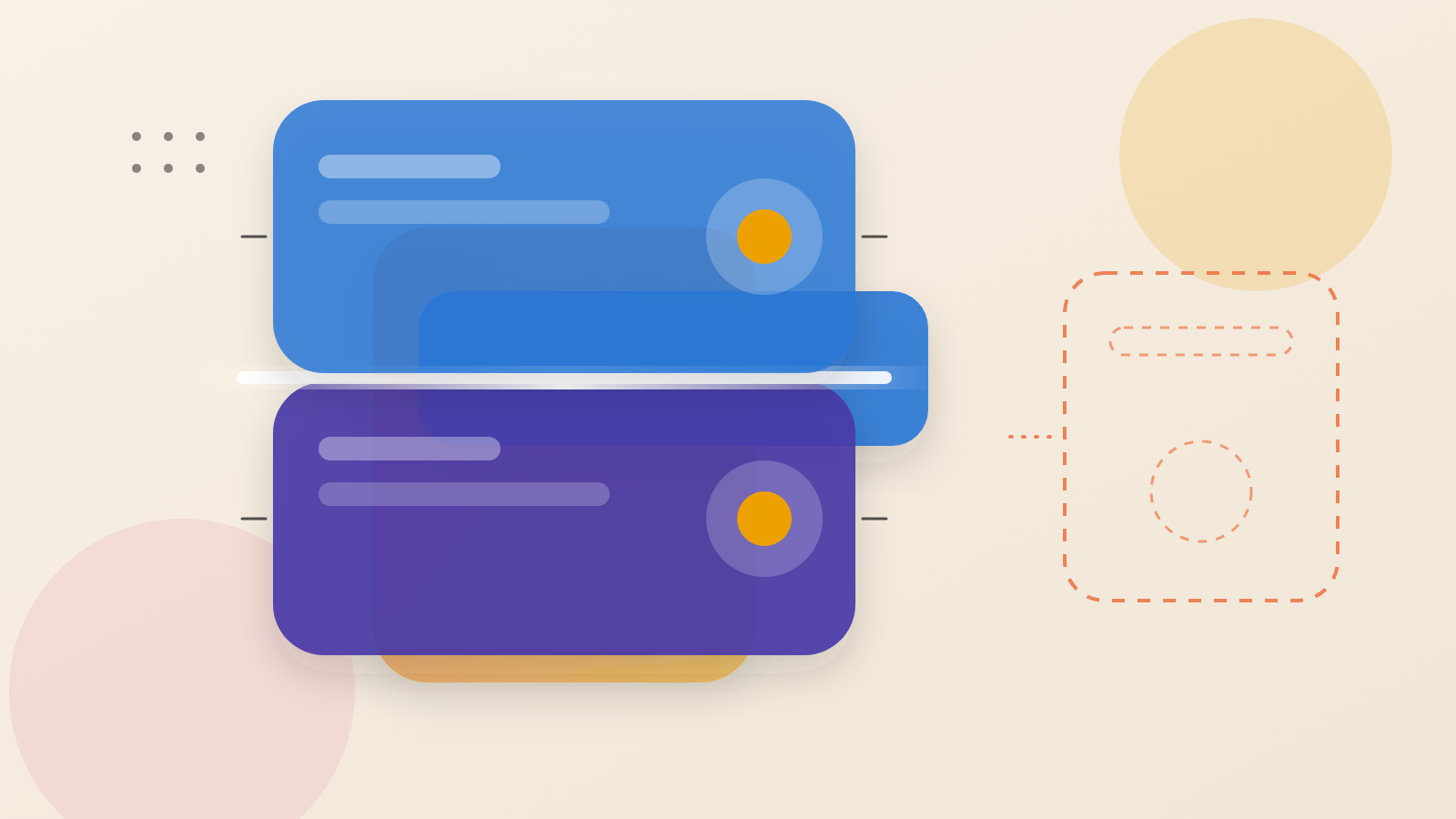
- Automox released version 2.2 of its MCP Server on July 8, letting an AI agent draft and submit a patch policy that a human reviews and approves before it runs.
- This moves endpoint tools from AI that answers questions to AI that acts, though the vendor's 'governed' label is marketing and not independently verified.
- Buyers weighing agentic tools should ask whether the review gate is enforced at the API level, whether direct API calls can bypass it, and what audit trail exists.
From Chat Window to Operator Console
Automox released version 2.2 of its MCP Server on July 8, adding interactive review surfaces, Patch by Severity policy creation, and live capability discovery to its agentic interface for endpoint operations. The distinction matters. Earlier agentic tooling largely let AI answer questions about infrastructure in natural language. This release lets an AI agent draft and submit an actual patch policy, with a visual review step for a human to approve before it executes. The interface is no longer a conversation layer sitting on top of IT operations. It is becoming part of the operations layer itself — though the vendor's 'governed agentic interface' branding should be read as a marketing characterization, not an independently verified governance claim.
What MCP Means for Machine-to-Infrastructure Access
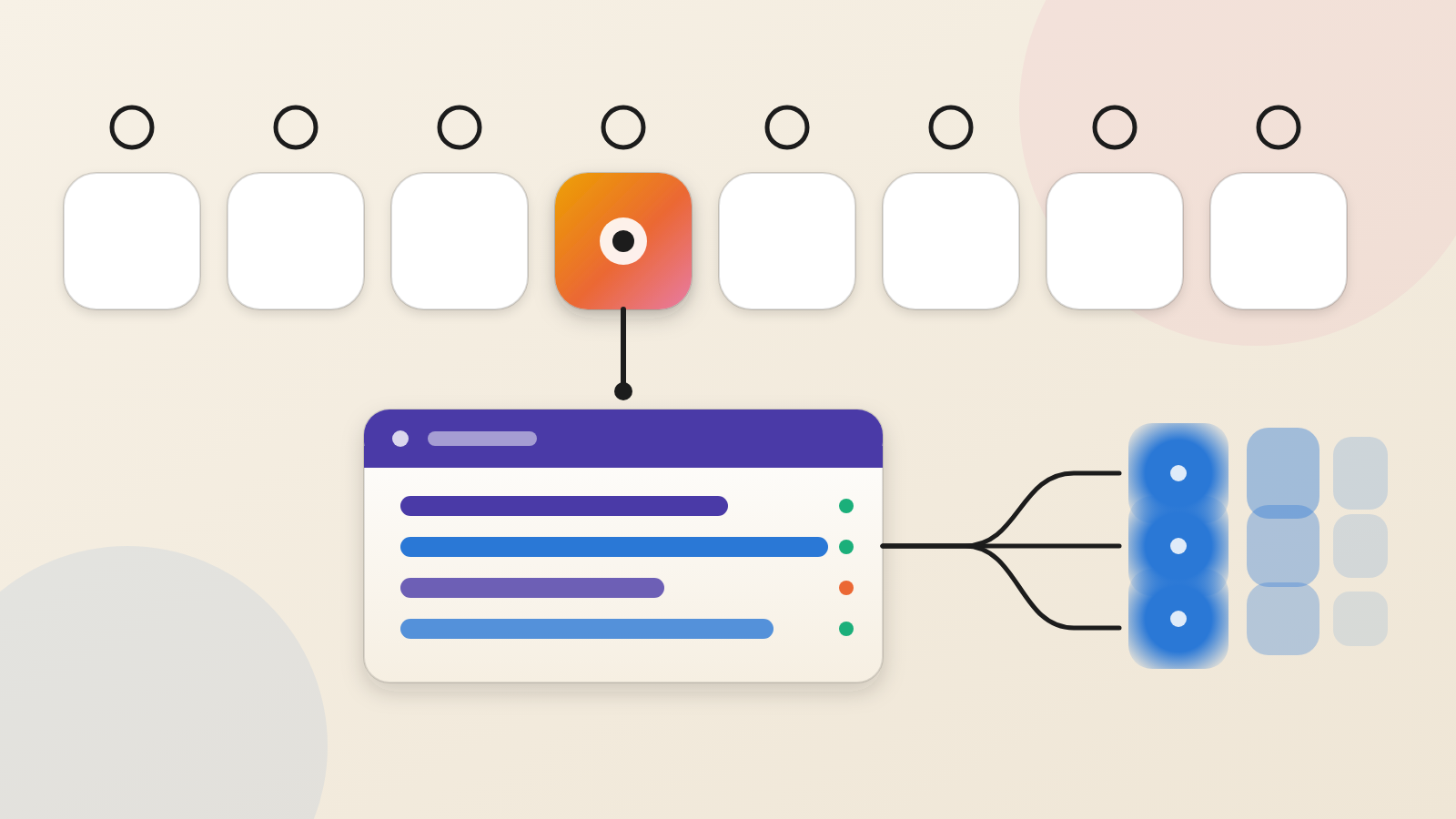
The Model Context Protocol is an open standard that gives AI agents structured access to external tools and data sources. When an endpoint management vendor ships an MCP Server, it is not just adding a chatbot. It is exposing operational primitives — patch, query, configure — in a schema an agent can discover and invoke programmatically. Automox's 2.2 release adds live capability discovery, meaning an agent connecting to the server can enumerate what actions are available in real time rather than working from a static list. That pattern — dynamic tool discovery by an AI agent — is the same architectural direction WebPulse has tracked across web infrastructure in 2026: systems increasingly built to be read, parsed, and acted upon by machines, not just browsed by people.
The Review Gate Is the Design Choice Worth Tracking
The update retains a human-in-the-loop review step between an agent drafting a patch policy and that policy executing against production endpoints. This is not a trivial implementation detail. An AI agent that can draft a severity-based patch policy and submit it for one-click approval compresses a workflow that previously required a human to navigate a console, set parameters, review scope, and confirm. The time between 'vulnerability disclosed' and 'patch policy active' shrinks. Whether the review gate stays mandatory, becomes configurable, or eventually disappears as trust in the agent's judgment builds is the question budget-signers should be watching — not in this release, but in the next two or three.
What This Signals for Infrastructure Tooling Broadly
Automox is one vendor moving one product from advisory AI to operator AI, with a human review step retained by design. The pattern is worth watching beyond this single release. As more operations tooling — endpoint management, patching, deployment, configuration — hands an agent the ability to draft actions rather than just describe state, the line between 'AI assistant' and 'AI operator' blurs. For organizations evaluating agentic tooling, the questions that matter are not whether the AI can draft a policy, but how the review gate works in practice: is it enforced at the API level or only in the UI, can it be bypassed by direct API calls, and what audit trail exists when an agent-drafted action executes. This release does not answer all of those questions. It does mark the point where they became the right ones to ask.
Written by the WebPulse Newsroom with AI assistance, and checked by our editorial review: every quotation was verified against the recording's transcript. How we use AI.
Conversations this essay draws on