Average SAP annual maintenance cost: 22% of license fee (Source: SAP published maintenance pricing policy. 22% is the standard SAP Enterprise Support rate.)
The Scale of Dependency
77% of the world's transaction revenue touches an SAP system. Oracle databases underpin the majority of Fortune 500 financial operations. Salesforce holds the customer relationship data of over 150,000 companies. These aren't just software vendors. They're the operating systems of global business.
The Cost Escalation
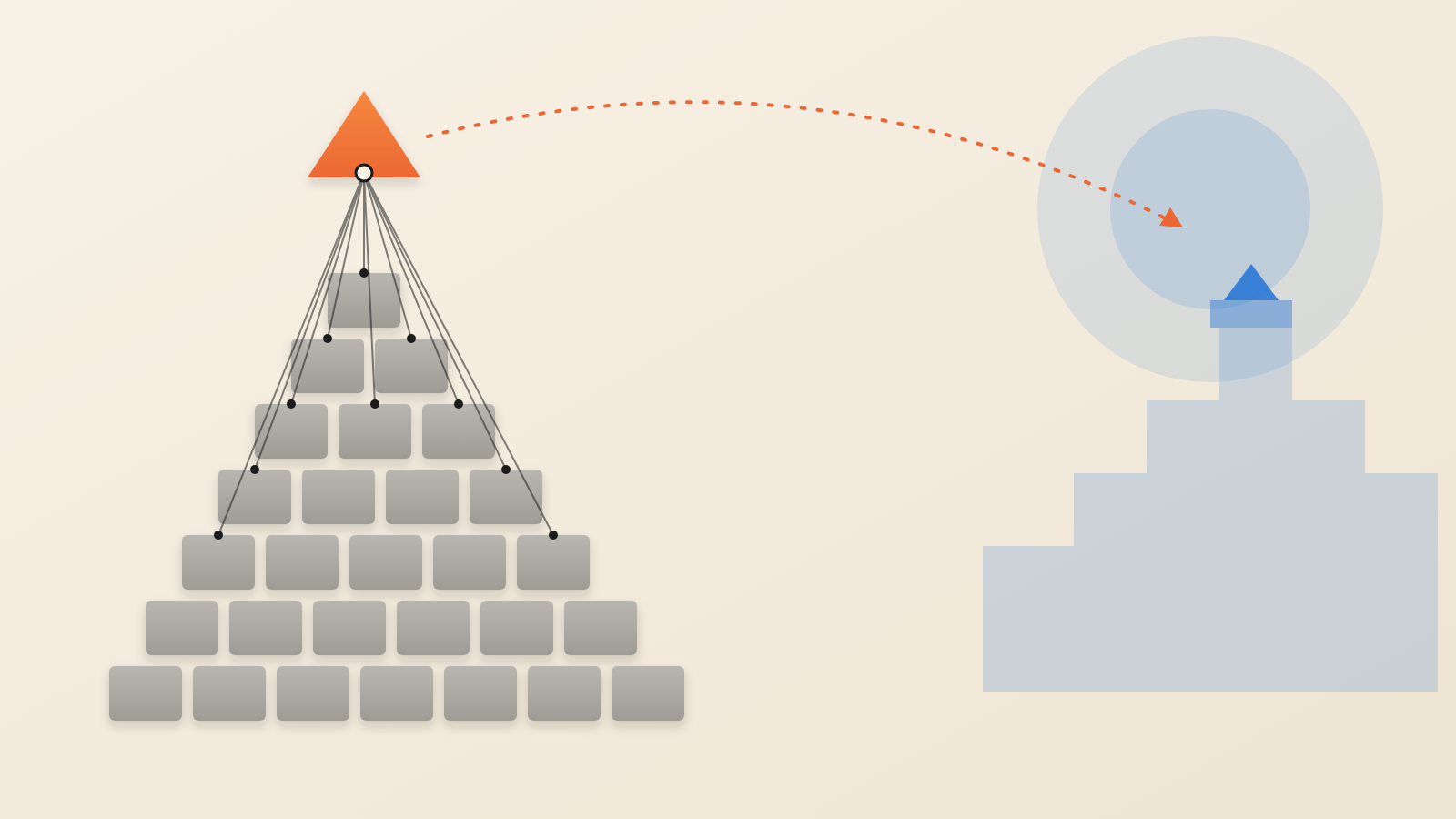
The pattern: Year 1, the platform solves a problem. Year 3, you've built custom workflows on it. Year 5, your business logic is embedded in the platform's proprietary configuration. Year 7, you couldn't leave if you wanted to because the migration would cost more than 3 years of subscription fees.
That's not a vendor relationship. That's a dependency.
The Hidden Infrastructure Tax
These platforms sit beneath the applications your teams build. When SAP changes its pricing model — as it did in 2025 — every customer pays. When Oracle redefines what constitutes a 'processor' for licensing purposes, every customer recalculates. When Salesforce acquires a company and bundles its product into your tier, your bill increases whether you wanted the product or not.
This is infrastructure tax: a cost that rises independently of the value you receive, enforced by switching costs that make alternatives impractical.
The AI Dimension
AI introduces a new layer of vendor lock-in. Your data is in Salesforce. Your AI agent needs that data. Salesforce offers Einstein AI — built on their platform, trained on their infrastructure, priced on their terms. Using a third-party AI solution means building a data pipeline out of Salesforce, which Salesforce has no incentive to make easy.
The vendors who control your data will increasingly control your AI capabilities. Unless your infrastructure is built on open, portable foundations where you own the interfaces and the data moves freely.
What the Data Tells Us
We score frameworks on ecosystem health, cost of ownership, and AI-readiness. The same metrics apply to enterprise platforms. How much of your technology budget goes to maintaining someone else's platform versus building your own capabilities? How easily can your systems integrate with AI agents? How quickly could you migrate if you needed to?
These aren't questions most organizations have answers to. That's the problem.