- Trezor confirmed implants in three Safe 5 wallets bought from reseller CryptoBilis in August and September 2026. Firmware 2.13.1 stops the implants found so far from capturing data.
- The implant copies the screen, so the secure chip was not the weak point. Trezor says the update cannot protect recovery words captured before it was installed.
- Trezor reports no lost funds and advises CryptoBilis buyers to move to a new wallet with a new recovery phrase. Check where your security devices were bought.
A secure chip cannot protect what the screen shows
A hardware wallet is sold on one promise: the secret stays inside the device. Trezor's latest findings show how that promise can fail without the security chip being touched. An extra part inside the wallet can copy the secret as it appears on the screen.
What Trezor found
Trezor, the wallet maker owned by SatoshiLabs, says three Trezor Safe 5 devices from the reseller CryptoBilis contain an implant. The purchases fall in a window running from late August to late September 2026. Trezor says the devices were sold through CryptoBilis's Tokopedia and Shopee storefronts, and also by CryptoBilis itself.
Trezor's lab examined the device first reported in October. For the other two, Trezor worked from photos of the internals that their owners sent in. Trezor says none of the three owners has lost funds.
So far 48 customers have contacted Trezor after its October warning. Trezor says it found no tampering in devices from its other resellers in the region, and none in other Trezor models. These findings cover only the devices checked so far. Trezor says the investigation continues.
How the implant works
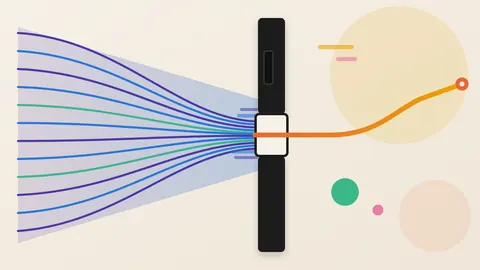
Trezor's embedded team extracted and analysed the implant's own firmware. According to Trezor, the implant is a small added board that sits between the Safe 5's main board and its display. It only listens. Whatever the screen shows, and whatever the owner enters, it can see.
Trezor says the implant recognises recovery words and stores them. That covers the words shown when a new backup is created, and the words entered when an existing wallet is restored. A passphrase shown on screen is treated the same way.
The stored data is encrypted and sent over a mobile network to a server the attackers control. If there is no signal, the implant holds the data and keeps retrying. Trezor says the implant changes nothing on the device, including the firmware and the Secure Element, the chip that holds the keys.
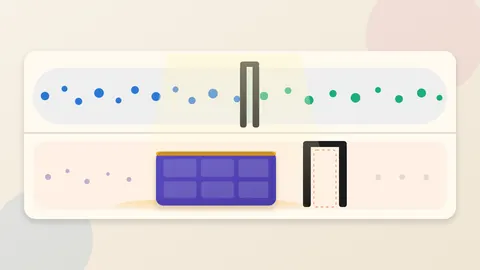
Think of a tap on the cable between a vault and the person using it. The vault stays intact, but the conversation is no longer private. The lesson here is that the implant left the firmware and Secure Element unchanged, so a device can be intact inside and still leak what it shows.
What the fix does, and what it cannot do
Trezor released firmware 2.13.1 on 11 November. In its words, the protection stops the implants found so far from capturing anything on devices running it, "making the current batch of implants useless." Trezor says it will not publish technical details that could help attackers.
The company also states a limit. Once a backup has been captured, installing the update does not make it safe again. Neither Trezor nor BleepingComputer says any recovery phrase was in fact captured. Even so, Trezor's guidance for CryptoBilis buyers is unchanged: create a new wallet with a new recovery phrase and move the funds.
Trezor says anyone who bought from CryptoBilis from March 2026 onwards can get a new device. Depending on shipping rules, that may be a different model with a refund of the price difference, delivery to another country, or a refund.
The reseller cut and what it shows
Trezor says it has removed about 80% of its resellers. It describes the removed partners as trustworthy and not an immediate threat. They did not meet the stricter requirements now being applied to the partners that remain. Those requirements include controls on sourcing, storage and access. BleepingComputer notes that Trezor first announced the cut in October, before it knew its own devices were affected.
Trezor says the implant works the same way as those found in Ledger devices, adapted to the Safe 5's display. BleepingComputer reports that the Ledger implants were also sold through CryptoBilis and have been linked to cryptocurrency thefts. In these reports, the common point is the reseller.
Our interpretation is that this episode shows how hard it is to vouch for a device once it leaves the maker. Trezor's supply-chain response, begun in October after the Ledger reports, was to narrow the number of hands the device passes through.
Questions to put to your team
First, where did each hardware wallet or security device in the organisation come from? Trezor recommends buying directly from trezor.io. Ask whether your purchasing rules say the same.
Second, did anything come from CryptoBilis? If so, Trezor advises creating a new wallet with a new recovery phrase and moving the funds. Trezor also asks owners who suspect tampering to keep the device, not set it up, and contact Trezor Support.
Third, who opens, stores and hands over devices before first use, and is that written down? Trezor's new reseller requirements cover sourcing, storage and access.
A vault is only as private as the room where you open it.
Produced by the WebPulse Newsroom with AI assistance from the original reporting credited below, and checked against that source by our editorial review. How we use AI.
Original reporting: Trezor (SatoshiLabs).